
22 Day 200 Hour Ayurveda, Emotional Healing, Hatha Vinyasa Yoga Teacher Training in Rishikesh, India
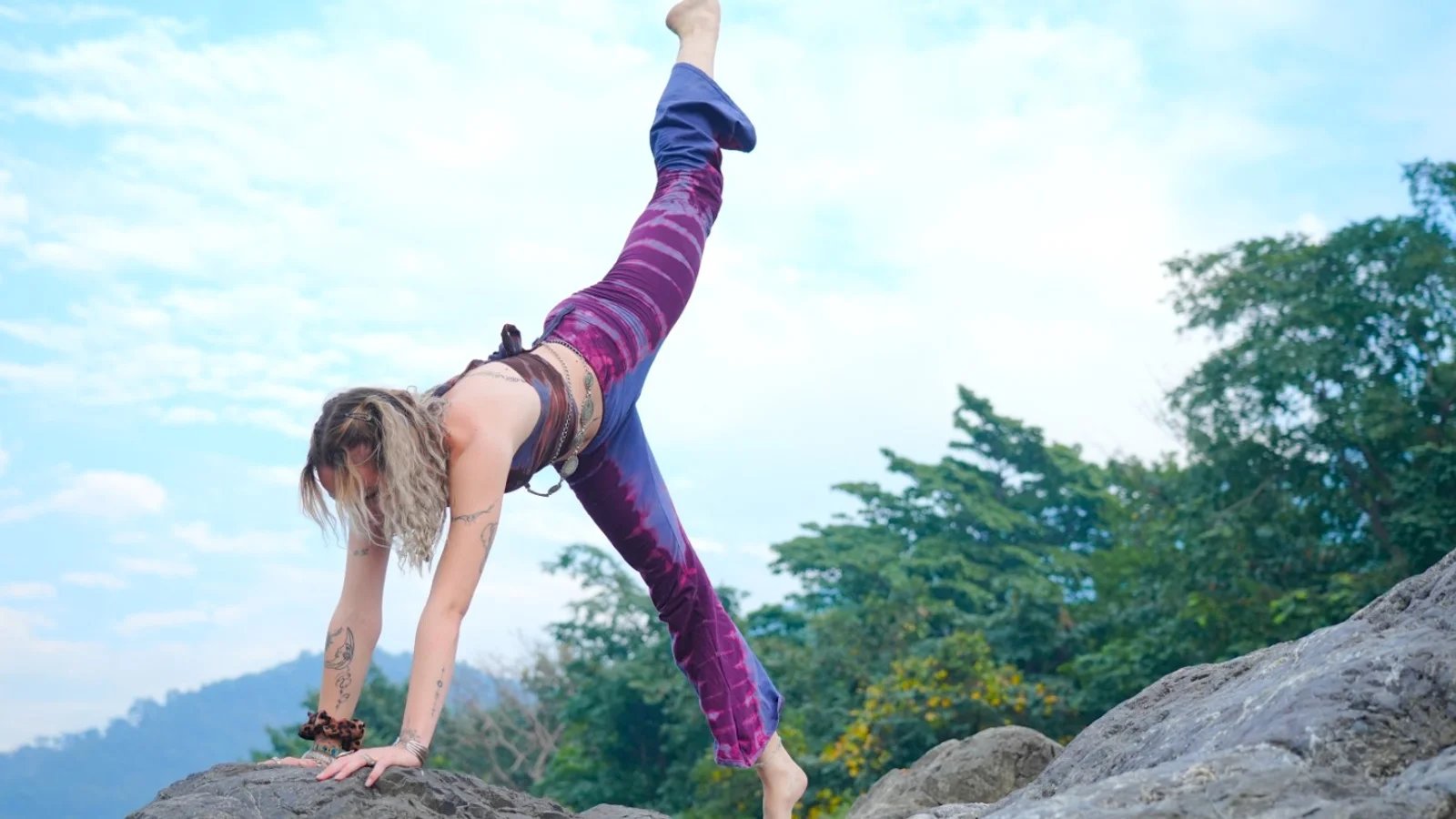
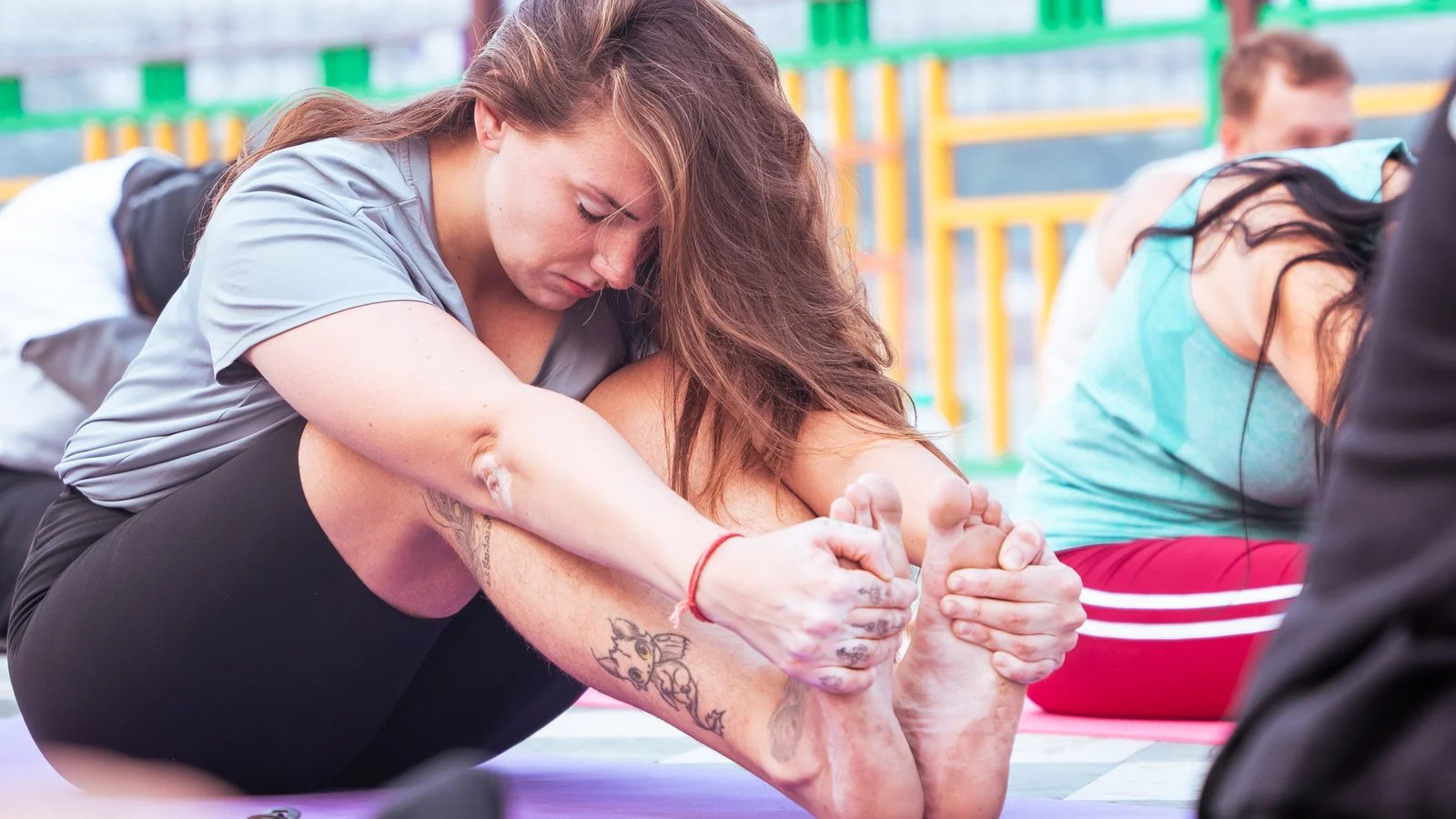
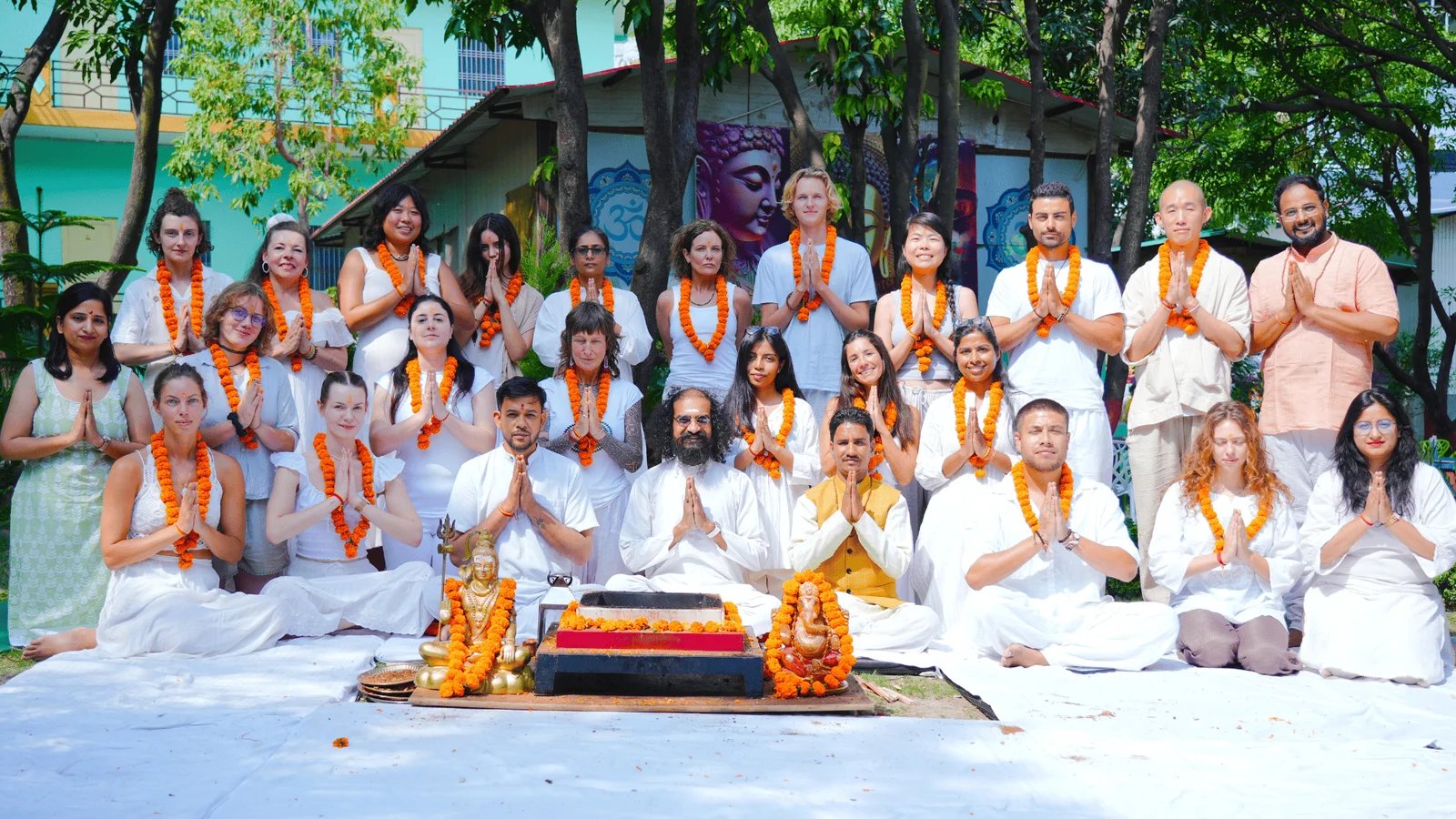

"Yoga Teacher Training in Rishikesh"
Program Overview
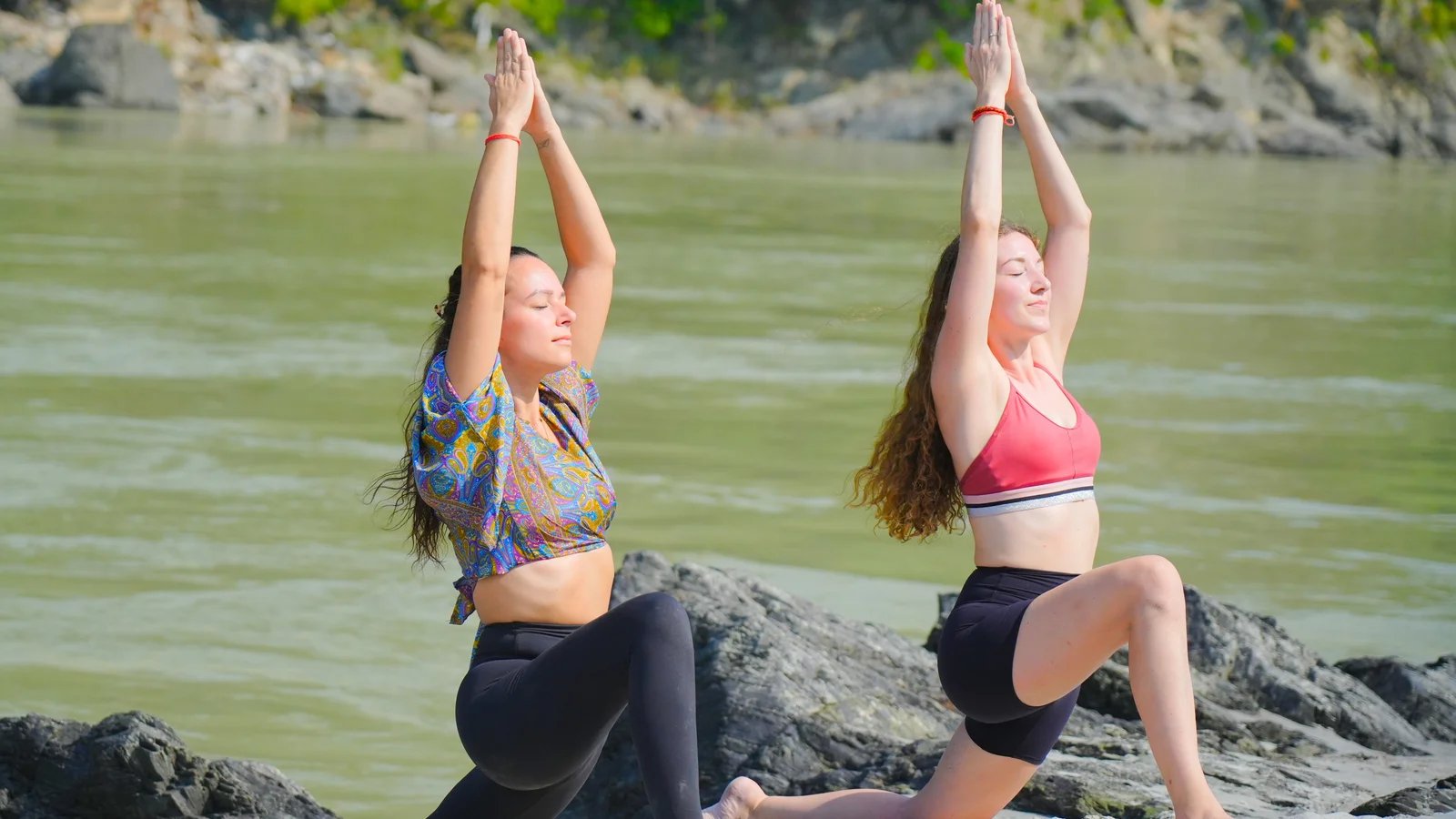
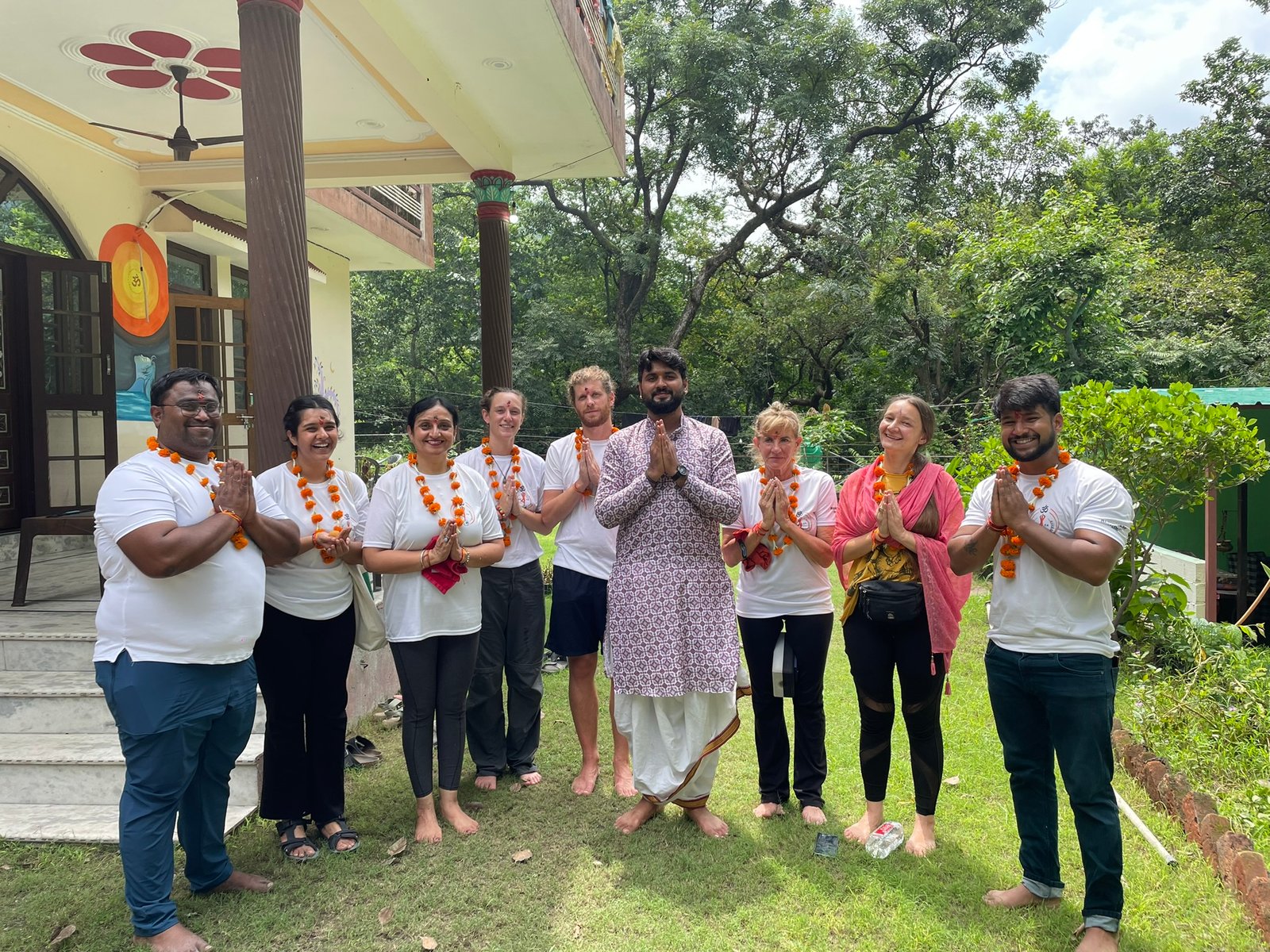
Become a certified yoga instructor while training in the lap of nature, along the flowing Ganges River. This 200-hour yoga teacher training course takes place in Rishikesh and is accredited by the Yoga Alliance. Located on the banks of the holy Ganga River in Rishikesh, the yoga cradle of the world, Gurukul Yogashala provides you with its 22-day, 200-hour Yoga Teacher Training Course program....
Meet the instructors

Yogi Arvind
Read more
Keshav Dev
Read more
Shikha Sharma
Read more
Upendra
Read more
Dr. Sanjeev Pandey
Read more
Ajay Bijalwan
Read more
Ankit
Read more
Yogesh Jakhmol
Read more
Sadhu Sir
Read more
Bhagya Shree
Read more
Abhishek Negi
Read more
Atharva Deo
Read more
Dr. Nishant Bhatnagar
Read more
Ashutosh Jhakhmola
Read moreHighlights
- Complimentary shuttle service from Dehradun Airport to school on official arrival day
- Sound healing / Emotional healing / Chakra healing session
- Eligible to register with Yoga Alliance upon completion
- Ayurveda consultation and massage (for private and twin-sharing accommodation)
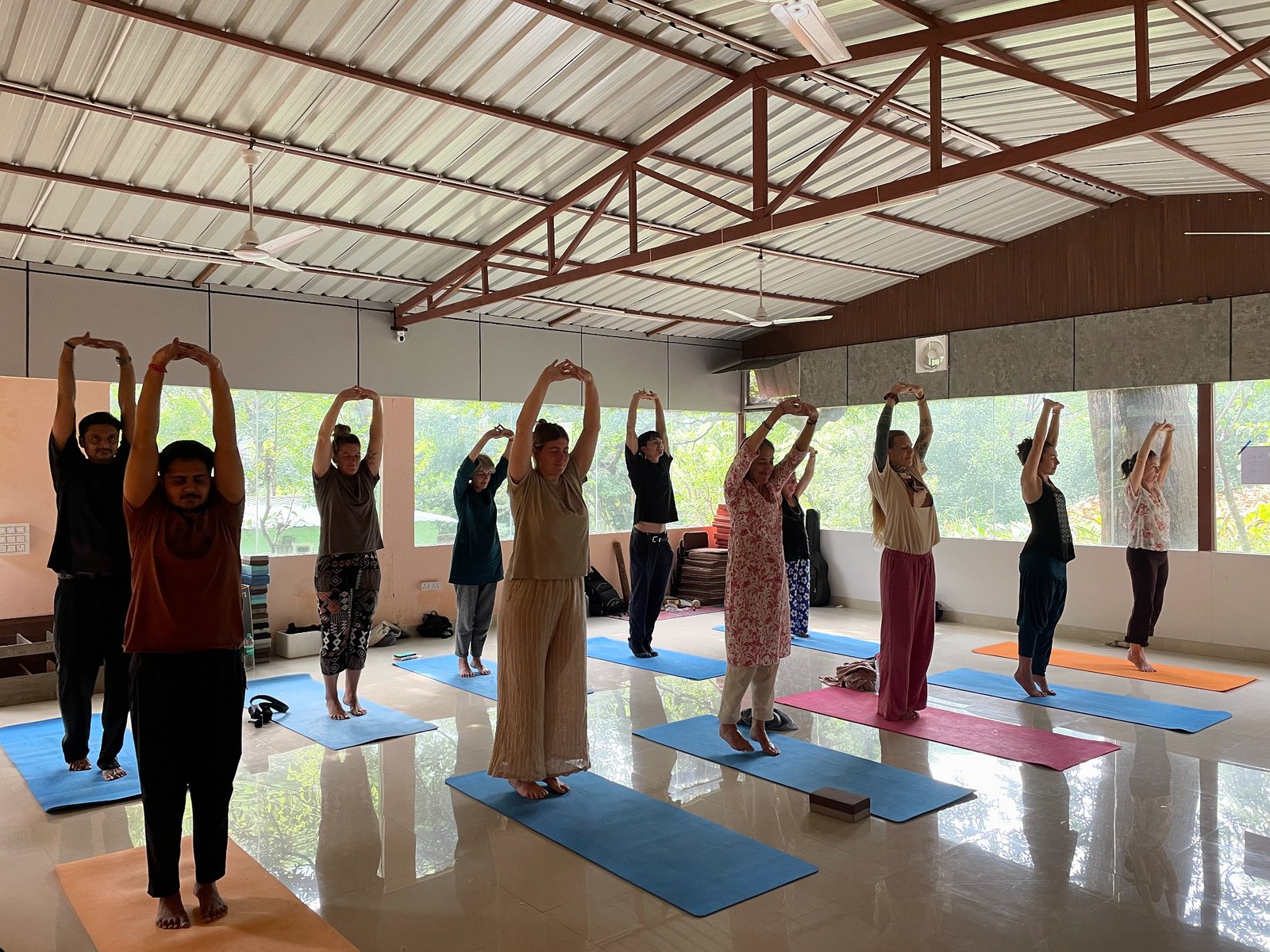
- Daily asana sessions of Hatha, Ashtanga, Vinyasa Flow yoga, and Ayurveda
- Daily Pranayama, mantra chanting, meditation & Yog Nidra sessions
- 21 nights’ accommodation in the ashram with one complimentary night after the course ends
- Delicious and nutritious vegetarian / vegan breakfast, lunch and dinners with afternoon tea & snacks
At a glance
Yoga styles
Check-in Time: 11:00
Check-out Time: 11:00
Facilities
Gurukul Yogashala has simple yet comfortable ashram-based accommodations, which are tailored to meet the needs of yoga students and include private and shared rooms:
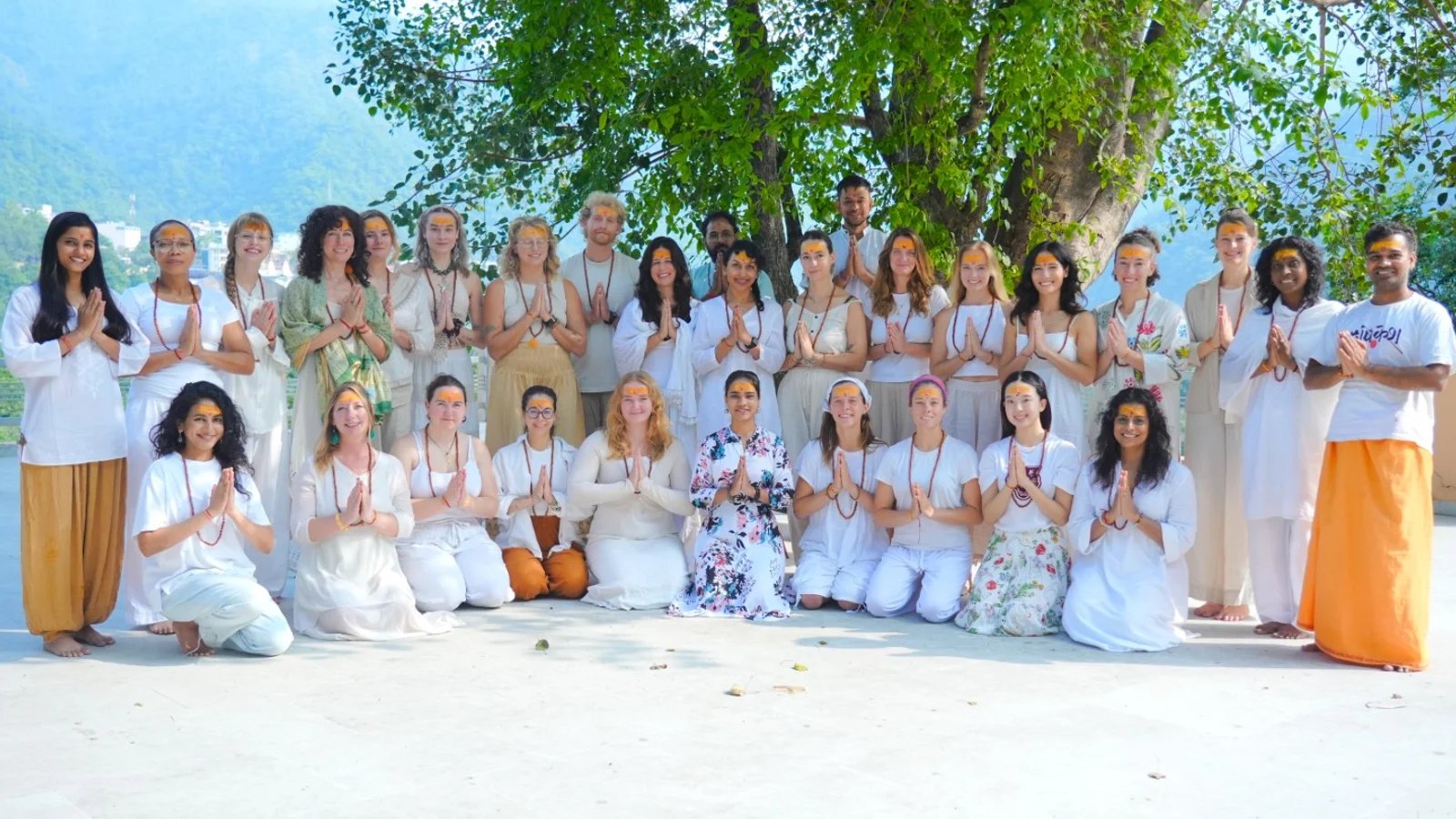
The yoga mat will give way to the yogic ashram lifestyle of eating Sattvic vegetarian food and participating in sunrise rituals by the river. Following the Ganga Aarti ceremony, you will get a much better understanding of Ayurveda and deep-rooted practices of Himalayan yoga. You will get an official 200-Hour RYT certificate, which will allow you to teach yoga anywhere in the world and give you a chance to build friendships with people from all over the globe.
Certification
Students who complete the training are eligible to register with Yoga Alliance as Registered Yoga Teachers (RYT®).
What Yoga Styles Will You Learn
What is Hatha Yoga?
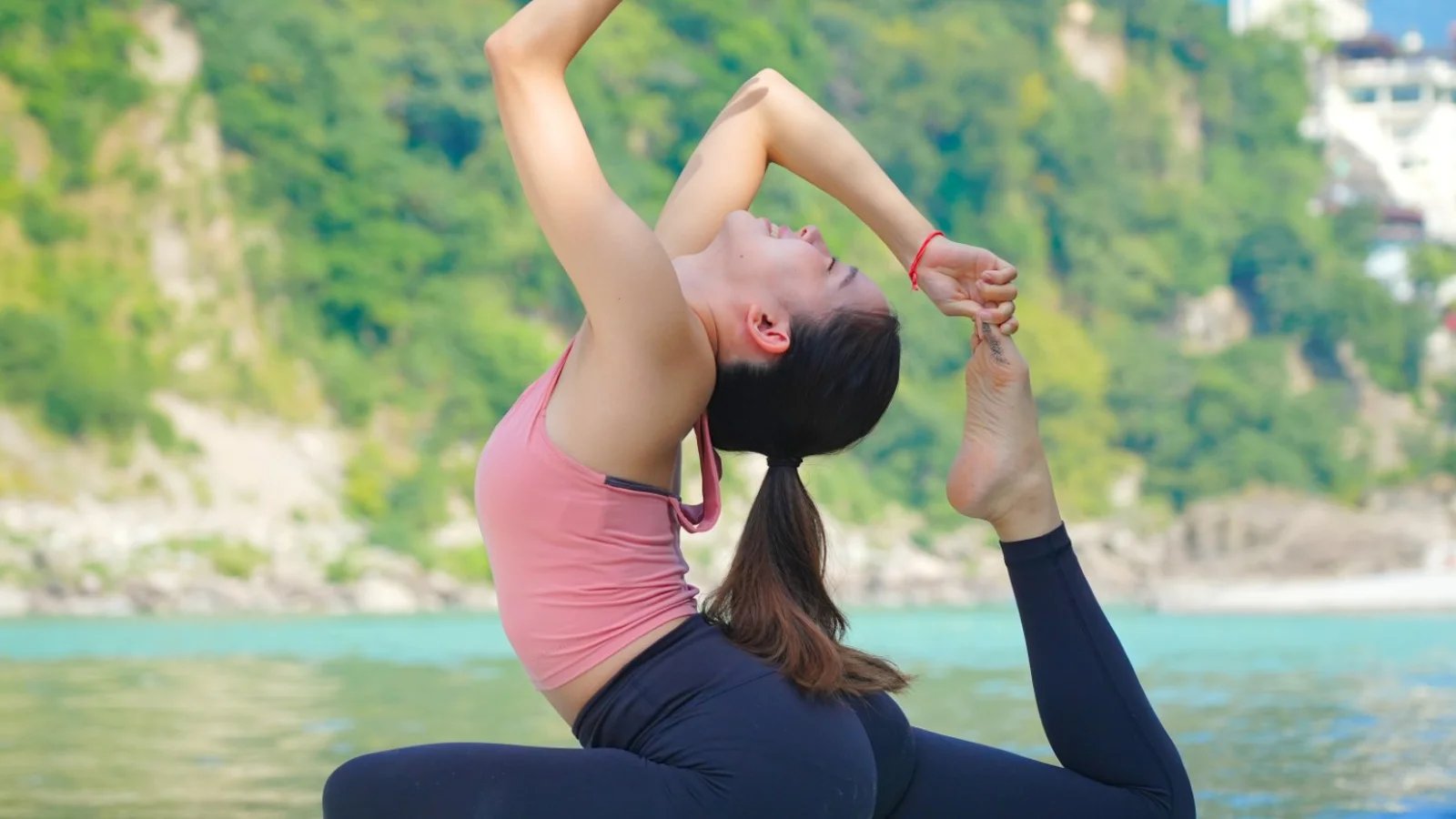
Hatha Yoga uses simple physical postures and breath to balance your energy. "Ha" means sun, "Tha" means moon - together they represent balance.
What is Ashtanga Yoga?
A more dynamic style that links every breath to a movement. It builds strength and flexibility while training your focus and calm.
What is Vinyasa Yoga?
Also called Flow Yoga. You move smoothly from pose to pose with your breath leading the way. Great for stress relief and heart health, and works for any fitness level.
What is Pranayama?
Pranayama means working with your breath to manage your energy. You'll learn breathing techniques that calm the mind and recharge the body.
What is Meditation?
Training the mind to stay present and quiet. Regular practice builds focus, emotional balance, and inner peace.
200-Hour Curriculum
Hatha Yoga
One of yoga's oldest styles, focused on steady, mindful postures.
What you'll gain
- Pose variations for different flexibility levels
- English and Sanskrit names for each asana
- Correct alignment and hands-on adjustments
- How to use props like belts, bolsters and blocks
- How to build a class that's both safe and challenging
- Key precautions for common health issues (thyroid, diabetes, blood pressure, arthritis)
Hatha Sequence
- Sun & moon salutations
- Joint-mobility warm-ups
- Standing, seated & kneeling poses
- Poses lying on the front and back
- Forward bends, backbends & twists
- Balancing & inverted poses
- Counter poses for safety
Mysore-Style Ashtanga
Developed by K. Pattabhi Jois, this is a breath-led, energetic practice. You'll learn the Primary Series step by step.
What you'll gain
- Using drishti (gaze point) in each pose
- Syncing breath with movement
- Using bandhas (energy locks)
- Moving toward self-practice
- Pose precautions
- English & Sanskrit names
- How to adjust students
- How to teach the Primary Series
Ashtanga Sequence
- Sun salutations A, B, C
- Standing poses - bends, stretches, balance
- Strength poses - arms, legs, core, twists
- Finishing poses - backbends, inversions, cool-down
Vinyasa Flow
A breath-driven sequence, moving smoothly from one pose to the next.
What you'll learn
- How it eases stress and anxiety
- Boosts energy and heart health
- Burns calories through movement
- Pairing breath with flow
Vinyasa Sequence
- Sun salutation variations
- Standing flow - forward bends, stretches, hip openers, balance
- Strength flow - core, twists, arm & leg work
- Closing flow - backbends, inversions, restorative poses
Pranayama
Rhythmic breathing that purifies the body and sharpens focus.
What you'll learn
- Why pranayama matters
- How to sit and prepare for practice
- Nostril breathing techniques
- Understanding and balancing your breath energy
- Connecting breath to the chakras
- Beginner and intermediate techniques
Types of Pranayama
- Nadi Shodhana
- Surya Bhedi
- Chandra Bhedi
- Ujjayi
- Bhastrika
- Bhramari
- Sheetali
- Sheetkari
- Kapalbhati
Mudras
Simple hand gestures that direct your energy. Best learned under guidance.
What you'll learn
- What mudras are and how they work
- Key hand points and their meaning
- Their benefits
Mudras You'll Practice
- Jnana, Chin, Dhyana, Yoni, Bhairava, Vairagya, Vayu, Pran, Prithvi, Surya, Varun, Agni
Bandhas
Energy locks that help you hold and direct the energy your practice creates.
What you'll learn
- What bandhas are and why they matter
- How energy is retained in the body
- Their link to the chakras
- Benefits and precautions
Bandhas You'll Practice
- Mula Bandha
- Uddiyana Bandha
- Jalandhara Bandha
- Maha Bandha
- Agnisar
- Breath retention techniques (external & internal)
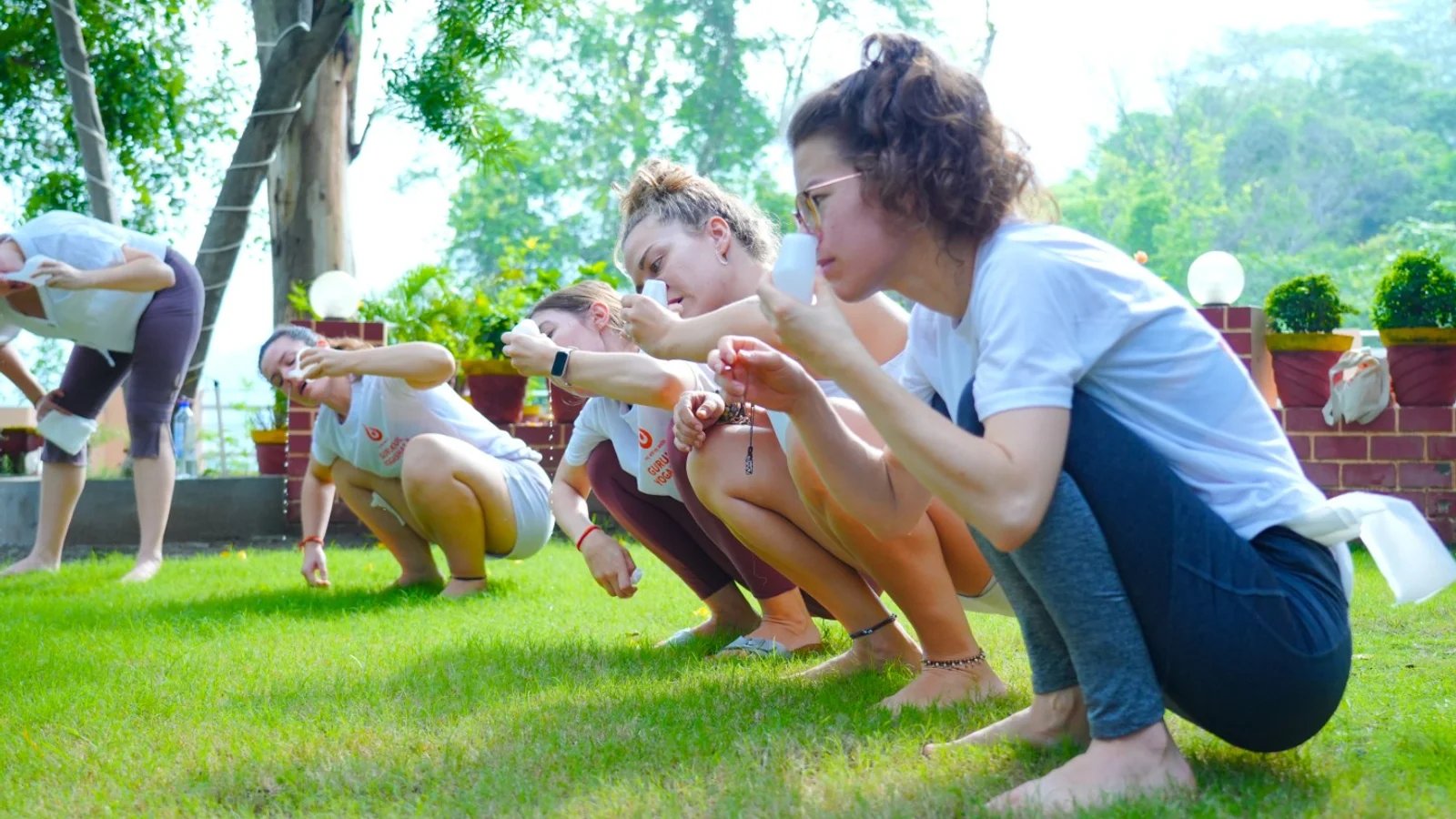
Shatkarma (Yogic Cleansing)
Six traditional cleansing techniques for the body and mind.
What you'll learn
- What Shatkarma is, plus benefits and precautions
- Who should and shouldn't practice it
- How to prepare and what to do afterward
Shatkarma Practices
- Jal Neti
- Sutra Neti
- Netra Neti
- Kapalbhati Kriya
- Kunjal Kriya
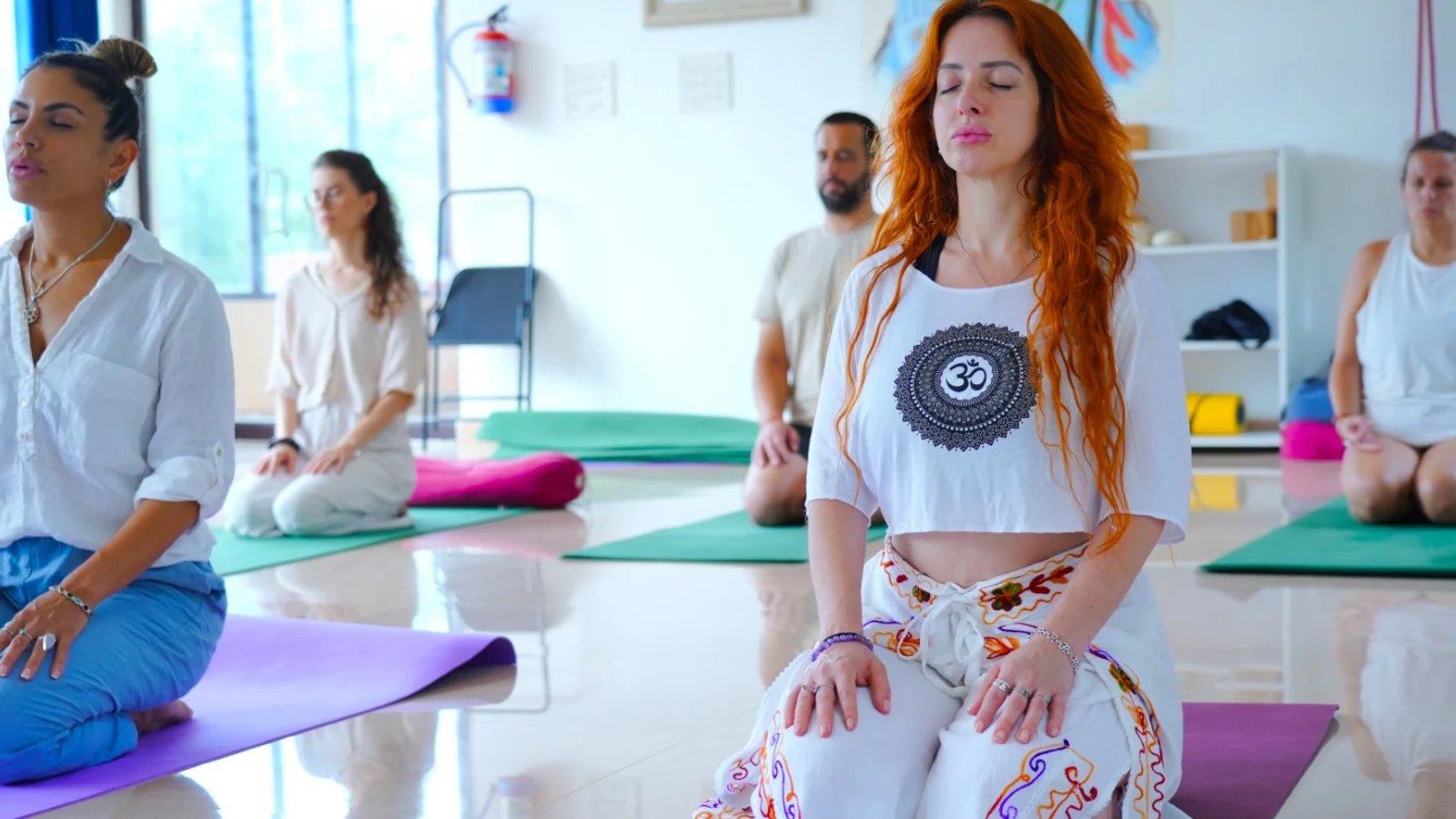
Meditation
Once the body is steady and the breath is calm, the mind naturally finds focus — that's where meditation begins.
What you'll learn
- The stages: Dharana, Dhyana, Samadhi
- History and philosophy of meditation
- What meditation is (and isn't)
- Correct sitting posture and breathing
- Guided practice sessions
Meditation Styles You'll Try
- Om, Japa, Mantra, Trataka, Chakra, Guided, Mindfulness, Breath-awareness, Loving-kindness, Inner silence, Progressive relaxation, Emotional awareness
Yoga Nidra (Psychic Sleep)
A deep, guided relaxation that takes you from a conscious to a super-conscious state.
What you'll learn
- What Yoga Nidra is and where it comes from
- Different traditions and guidelines
- Its benefits
- How it differs from meditation
- The stages of Yoga Nidra practice
Mantra
Chanting to align your mind, body and spirit.
What you'll learn
- What a mantra is and how it's used
- How chanting supports healing
- Using mala beads
- How mantra can support your daily life
Mantras You'll Chant
- Ganesh, Gayatri, Shanti, Mahamrityunjaya, Guru Brahma, Dhyana Mulam, Om Purnamadhah, Krishna, Shiv, Narayana, Ram
Yoga History & Philosophy
Understanding yoga's roots helps you live it, not just practice it. You'll explore texts like the Bhagavad Gita, Hatha Yoga Pradipika and Patanjali's Yoga Sutras.
What you'll learn
- Origins and evolution of yoga philosophy
- Patanjali's Yoga Sutras
- The three nadis (energy channels)
- The Eight Limbs of Yoga
- Chakras and Kundalini basics
- An introduction to the Vedas
Kundalini Philosophy
Kundalini is the energy said to rest at the base of the spine. Awakening it is considered the deepest stage of yoga practice.
What you'll learn
- Origins and core principles of Kundalini Yoga
- Recognizing and balancing energy blocks
- Meditation practices tied to each chakra
Yogic Lifestyle
Yoga isn't just poses - it's a way of living.
What you'll learn
- What it means to live like a yogi
- Yogic diet basics
- Daily routines, morning to night
- Living mindfully with others (Yamas & Niyamas)
Ayurveda Workshop
Ayurveda is India's ancient science of natural healing, balancing the body through three doshas: Vata, Pitta, and Kapha.
What you'll learn
- Ayurveda basics
- Daily routines (Dincharya)
- The three doshas
- Body tissues (Sapta Dhatu) and toxins (Ama)
- Immunity (Ojas)
- Seasonal eating
- The six tastes
Applied Ayurveda
Turning Ayurvedic wisdom into everyday habits.
What you'll learn
- Making detox teas and herbal infusions
- Natural face and hair masks
- Ayurvedic gardening and medicinal plants
- Basics of Basti therapy
- Traditional detox methods
- Self-massage (Abhyanga) with Ayurvedic oils
Ayurveda Marma Therapy
You'll explore how emotions and trauma live in the body, and how Marma points, breathwork and meditation can help release them.
What you'll learn
- The 72 Marma points and how they hold emotion
- Techniques to release blocked emotion
- How Marma therapy supports healing
- Precautions to keep in mind
- Its effect on body, mind and spirit
Functional Anatomy
Anatomy keeps your practice and your future students safe.
What you'll learn
- Basic bones, joints and movement
- Spine, core and breath mechanics
- Shoulder, hip, knee and joint alignment
- How anatomy applies to bends, twists and balance poses
- Common injuries and how to avoid them
Alignment & Adjustment
Based on Iyengar principles, you'll learn to align your own body and safely adjust others.
What you'll learn
- Why alignment matters
- Using props like blocks, straps and blankets
- Correct alignment across standing, seated, twisting and inverted poses
- Common mistakes and how to fix them
Teaching Methodology
Practicing yoga and teaching it well are two different skills - this is where you build the second one.
What you'll learn
- Blending traditional and modern teaching styles
- Building an engaging class
- Managing a class safely and smoothly
- Preparing yourself mentally before teaching
- Structuring a class step by step
- Adjusting students with or without props
- Developing your own teaching voice
Teaching Practice
You'll get hands-on teaching time in front of your batch, guided by your teacher.
Complimentary One-on-One Sessions
Choose one complimentary session:
- Emotional Healing Consultation & Massage
- Ayurveda Consultation & Massage
- Sound Healing Session
Group Sessions (One of Each, Per Batch)
- Ayurveda workshop
- One healing session - sound, emotional or chakra healing
- One riverside session - acro yoga, pranayama or meditation
- One active session - Bollywood dance or body movement
Group Art Activities
Try your hand at Mehendi, Rangoli and Mandala art - fun ways to bond with your batch.
Sample Daily Schedule
- 06:00 - 07:30 Ashtanga & Vinyasa Flow
- 07:40 - 08:40 Pranayama / Kriya / Mudra / Bandha
- 08:45 - 09:30 Breakfast
- 09:30 - 10:00 Mantra & Kirtan
- 10:15 - 11:15 Functional Anatomy
- 11:15 - 12:15 Alignment & Adjustment
- 12:30 - 13:30 Lunch
- 13:30 - 14:30 Rest
- 14:30 - 15:30 Philosophy
- 15:30 - 16:00 Tea break
- 16:00 - 17:30 Hatha Workshop
- 17:45 - 18:45 Meditation
- 18:45 - 19:00 Yoga Nidra
- 19:15 - 20:00 Dinner
- 22:00 Lights out
Note: Schedule may shift slightly based on weather, teacher availability, and ashram needs.
Ganga Aarti and Kirtan
An evening riverside fire ceremony and devotional chanting session on the banks of the Ganges
Cultural walking tour.
A guided walk through Rishikesh introducing local temples, markets, and the town's role as the global birthplace of yoga.
This Yoga Retreat is vegetarian-friendly
Cleansing and wholesome nutrition for your practiceNutrition is considered an integral part of the yogic learning at Gurukul Yogashala, where one employs a sattvic vegetarian style of cooking in accordance with Ayurveda. The kind of cooking used in the course is believed to be nourishing for the mind as well as being easy on the digestive system for the rigid programs followed by practitioners.
One can expect the kitchen to offer three freshly cooked vegetarian meals daily that would consist of rice, lentils (dal), chickpeas, seasonal vegetables, and Indian flatbreads along with fresh salads.
Included: Breakfast, lunch, dinner, afternoon snacks, drinking water, and tea are all included in your course fee.
Students with allergies or special dietary needs are advised to inform us during the course booking so the kitchen can plan correctly.
The following meals are included:
- Breakfast
- Lunch
- Dinner
- Snacks
- Drinks
The following drinks are included:
- Water
- Tea
The following dietary requirement(s) are served and/or catered for:
- Vegetarian
- Vegan
- Gluten Free
- Organic
- Naturopathic
- Fruitarian
- Lactose Free
- Whole food
- Yogic
- Ayurvedic
If you have special dietary requirements it's a good idea to communicate it to the organizer when making a reservation.
Rishikesh offers a rich tapestry of experiences, from spiritual and cultural exploration to adventure and relaxation, making it a versatile and vibrant destination. Below are what you can do at your own cost:
- Bungee jumping
- Camping and bonfire
- Cliff jumping
- Experience the traditional Indian culture
- Flying fox
Kayaking
- Mountain biking
- Parasailing and paragliding
- Rappelling and rock climbing
- River rafting - the most popular thing to do in Rishikesh
- Explore Beatles ashram
- Wildlife safari at Rajaji National Park
- Camping by the riverside
- Explore nearby towns like Haridwar and Devprayag
- Himalayan hiking and trekking
- Eligibility to register with Yoga Alliance upon completion of the course
- 21 nights' ashram accommodation
- 3 sattvic vegetarian/vegan meals daily, plus tea and snacks
- Free airport shuttle from Dehradun Airport (arrival day)
- Full course kit - mat, manual, notebook, and props
- Guided cultural tour and riverside Ganga Aarti
- One complimentary wellness session (Ayurveda, sound healing or emotional healing)
- Purified water and herbal teas throughout your stay
- 24-hour Wi-Fi Access
- Ongoing support before, during, and after your training
- International and domestic airfare
- Visa fees and travel insurance
- Local transport beyond the included arrival-day shuttle
- Card payment processing fee (approx. 5.5%, where applicable)
- Personal toiletries (towel, soap, etc.)
- Any personal medical costs or additional spa/Ayurveda treatments beyond the one complimentary session
Beautiful and serene location in Rishikesh, carefully chosen to provide the perfect setting for your yoga journey.
Recommended Airports
Arrival by airplane
Recommended Airport: Jolly Grant Airport, Dehradun (DED) - approximately 15 km / 25 minutes from the ashram.
Alternate Airports: Indira Gandhi International Airport, Delhi (DEL) and Chandigarh Airport (IXC), both being far away but well connected internationally.
Getting there:
Fly into Jolly Grant Airport (DED). Gurukul Yogashala has a shuttle bus that is free from Dehradun Airport to the ashram on the date of arrival. Pick-ups are usually in the morning and evening. Let the school know the details of your flight in advance so they can arrange your slot. If you arrive outside of these times or on a different day, you can request a transfer for an additional charge.
From Delhi (DEL): Private transfer is available upon request and for an additional fee (~70 USD one way).
From Chandigarh (IXC): Private transfer is available upon request and for a fee (~100 USD one way).
Delhi and Rishikesh / Haridwar are connected by regular trains. Ensure you book on the official site or app of the Indian Railways to avoid missing trains.
Buses from Delhi to Rishikesh are available throughout the day; however, services are usually not available after 9 PM.
Additional charges may apply. You can request this in the next step.
Additional charges may apply. You can request this in the next step.
Additional charges may apply. You can request this in the next step.
A reservation requires a deposit of 30% of the total price. The deposit is non-refundable, if the booking is cancelled. The rest of the payment should be paid on arrival.
- A reservation requires a deposit of 15% of the total price.
- The deposit is non-refundable, if the booking is cancelled.
- The rest of the payment should be paid on arrival.
Guest reviews
No reviews yet — be the first to share your experience.
Similar Retreats You Might Love
Explore other transformative experiences in India
3-Day Yoga and Meditation Retreat in Rishikesh, India
7 Day Riverside Yoga Retreat in Rishikesh with Daily Meditation & Ayurveda

5 Day Riverside Yoga Retreat in Rishikesh with Daily Meditation
