
25 Day 200 - Hour Teacher Training Course with Sound Healing in Rishikesh, India


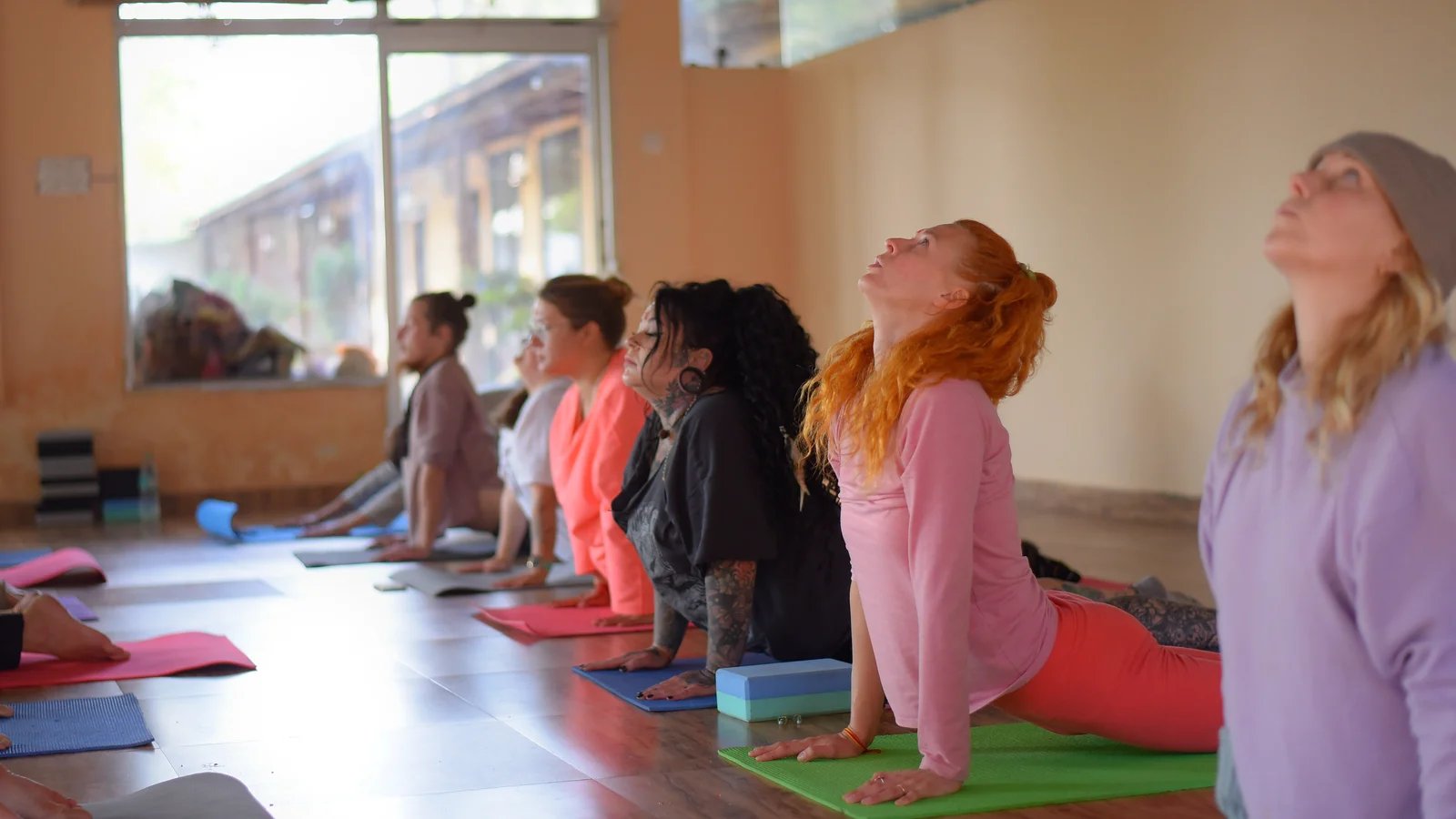


"Transformative Yoga Teacher Training in India"
Program Overview
There can be no better place on earth to learn and practice the ancient science of yoga than the foothills of the Himalayas. Being the birthplace and eternal home of yoga and spirituality, it attracts people across the world. foothills of the Himalayas. This 200-hour teacher training course aims to pass down the science and traditional art of yoga as has been passed down by a long lineage of...
Meet the instructors


Highlights
- Learn Hatha yoga, alignment, mudras, pranayama, and shatkriyas
- Dance yoga and meditation sessions
- Free yoga materials and wifi are available
- Weekend excursion to a temple in the Himalayas
- Enjoy the welcome drink with a flower mala
- 24 nights accommodation in a super comfortable accommodation
- Sattvic meals for breakfast, lunch, tea, refreshments, and dinner
- Certificate of completion
At a glance
Yoga styles
Check-in Time: 06:00
Check-out Time: 12:00
Facilities
A beautiful ashram near the bank of the Ganges river. Tastefully done bedrooms with comfortable beds, a wardrobe, and an attached washroom with a hot shower are available. There's also a free Wi-Fi connection.
In this 200-hour yoga teacher training course, you will be introduced to the philosophy of yoga as has been handed down by a long lineage of spiritual leaders and gurus. Meditation, also known as Raja Yoga, the King of Yoga is the ultimate purpose of all yoga.
To prepare your body for this, you will learn: Hatha yoga, alignment, mudras, pranayama, and shat kriyas. Mantras are instruments of the mind and there will be a deep emphasis on these. In order to make you into an excellent educator, classes will also be taught on teaching methodology which will explain to you how to design, sequence, and conduct a lesson.
Highlights
Hatha yoga
What is Hatha yoga? Ha refers to the right side of your body (sun) and Tha refers to the left side of your body (moon). On a physical level, the purpose of Hatha yoga is to create a balance between the left and the right side of your body, the balance between the Sun and Moon influences your life. What you will learn :
- 21-step Surya Namaskar cycle with mantra awareness for each step
- Upa yoga/ Sukshma Vyama (yoga to lubricate the joints and stimulate the glands)
- Standing asanas
- Sitting asanas
- Kneeling asanas
- Prone asanas
- Supine asanas
- Inversion asanas
- Benefits and contradictions of asanas
Alignment
- How to correctly enter, center, adjust, hold, adjust, and exit a pose
- Fundamentals of forward extension, backward extension, side extension, and twisting asanas
- Variations of basic asanas
- Limitations, contraindications, and benefits of yoga asanas
- How to correct/adjust postures verbally and by touching.
Pranayama
- What is prana and what are the 5 types of prana?
- Apana Prana, Samana Prana, Udana Prana, Vyana Prana and Prana Prana
- Chest breathing versus diaphragmatic breathing
- What is pranamaya and what are the 7 main pranayama practices? (Kapalbhati, Bhastrika, Brahmari, Sheetali, Seetkari, Nadi Shodana, Ujjayi)
- What are nadis? channels through which energy prana flows (Ida, Sushmana, and Pingala)
- Introduction to Bhandas : Mula Bhanda, Uddiyan Bhanda, Jalandar Bhanda and Maha Bhanda
Anatomy and physiology
- What is yogic anatomy and physiology?
- Introduction to the respiratory system and yogic breathing
- How do pranayama practices connect to the digestive and immune system?
- Muscular system: types of muscle contractions and how asanas affect the muscular system
- Types of joints, how asanas affect joints, and how to avoid injury whilst doing asanas
- The structure of the spine, the effect of asanas on the spine, and its movement during asanas
- What are the 5 layers, sheaths, and dimensions of existence (koshas) of the body and their associated psychological and physiological states?
- Going from gross to subtle: Annamaya Kosha, Pranayama Kosha, Manomaya Kosha, Vijanamamaya Kosha, and Anandamaya Kosha collectively known as Pancha Kosha
- Introduction to chakras
Mudras
- Types of mudras
- Importance of mudras
- Physical, mental, and spiritual benefits of mudras
- Practice of gyan, chin, and Ashwini mudra
Teaching Methodology
- Preparations for the classroom
- Qualities of a teacher and types of students
- Listening, presence, directive, and non-directive dialogue
- How to sequence the class
- Importance of demonstrations
- How to instruct students to enter and hold asanas
- Design and layout of a lesson plan
Meditation
Meditation is an inner journey. Meditation is to take your awareness within from your gross to your subtlest body.
Yoga philosophy/yoga Darshana
- What is yoga/the purpose of yoga - union, harmony, samadhi, consciousness, enlightenment
- The four paths of yoga - Jnana, Bhakti, Karma, and Raja yoga
- Eight limbs/Eightfold path of yoga as per Sage Patanjali (Ashtanga – yama, niyama, asana, pranayama, Pratyahara, Dhyana, Dharana and Samadhi)
- Introduction and a brief overview of yoga sutras by Sage Patanjali
- Chapter 1: Samadhi Pada
- Chapter 2: Sadhana Pada
- Chapter 3: Vibhuti Pada
- Chapter 4: Kaivalya Pada
- The five states of mind (Kshipta, Vikshipta, Mudha, Ekagra, Nirodhah)
- The four faculties of the mind field (Ahamkara, Buddhi, Chitta, Manas).
Mantras
- Mantras are instruments of the mind, verses repeated over and over to train the mind, silence the mind, invoke energy, and express gratitude
- There are many mantras, each used for different occasions and circumstances based on the emotion, need, and intention of he/she expressing it.
- Significance of Om- A U M Guru Mantra – Mantra for Universal Masters to Bless
- Aum Gurur Brahma, Gurur Vishnu
- Opening mantra- Aum Sahana Vavatu
- Sage Patanjali Mantra- Vandhe Gurunum Charanara Vinde
- Closing mantra/realisation mantra- Aum Asato Maa Sad-Gamaya
- The completeness mantra- Aum Purrnam Adah, Purrnam Idam
- Meal prayer- Aum Brahma Arpanam Surya Namaskar Mantra
Shatkriyas (yoga practice to cleanse the internal organs)
What are the 6 yogic practices used to remove waste from our internal organs that are not removed through regular means?
- Kapalbhati- Stimulating the brain cells
- Trataka - Eye exercises
- Neti - Upper nasal track
- Dhouti - Cleansing the intestine
- Nauli - Abdominal muscle and viscera
- Vasti - Cleansing the bowels
Daily ashram routine
- 06:00 Ayurvedic drink/ detox drink
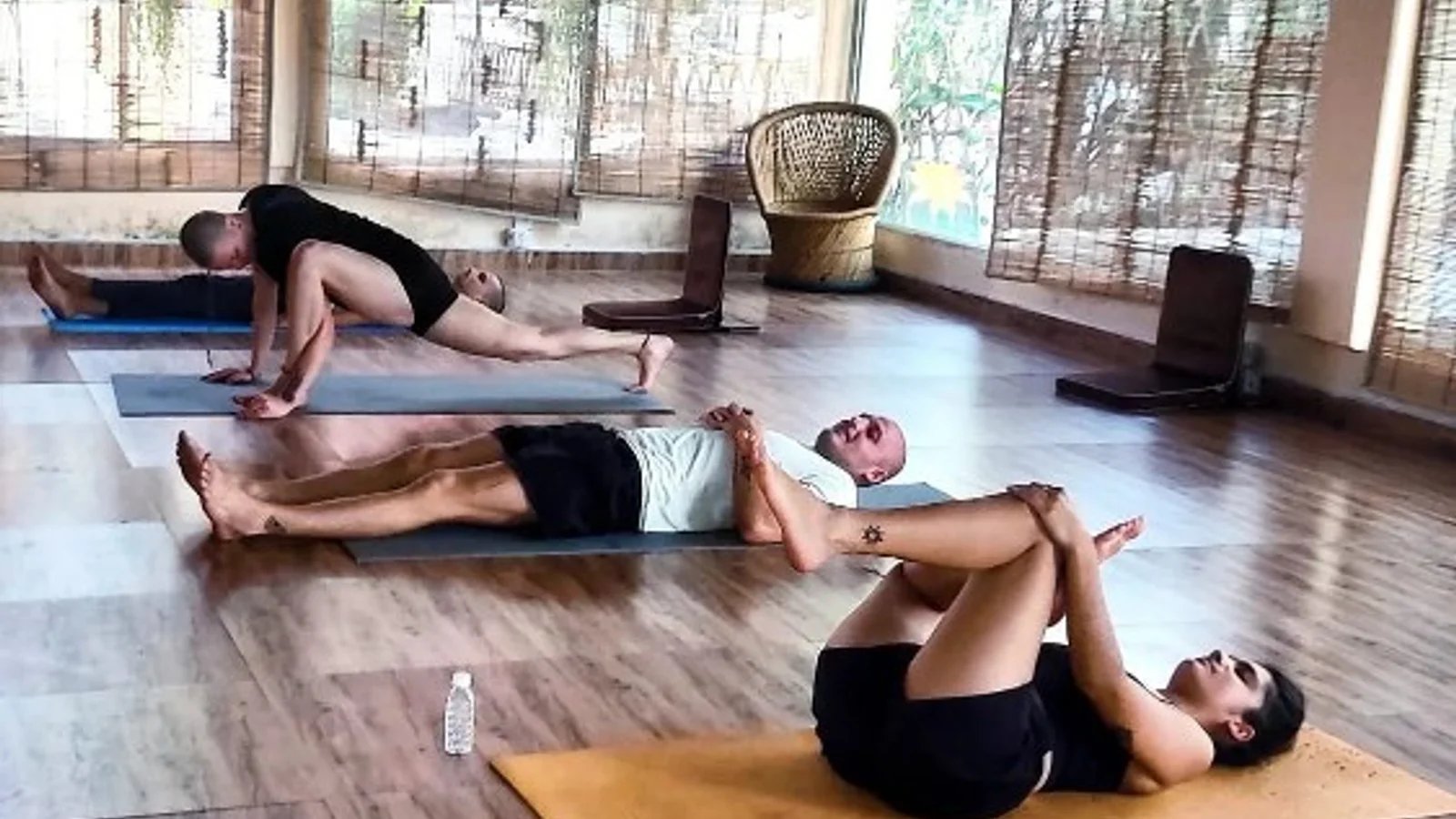
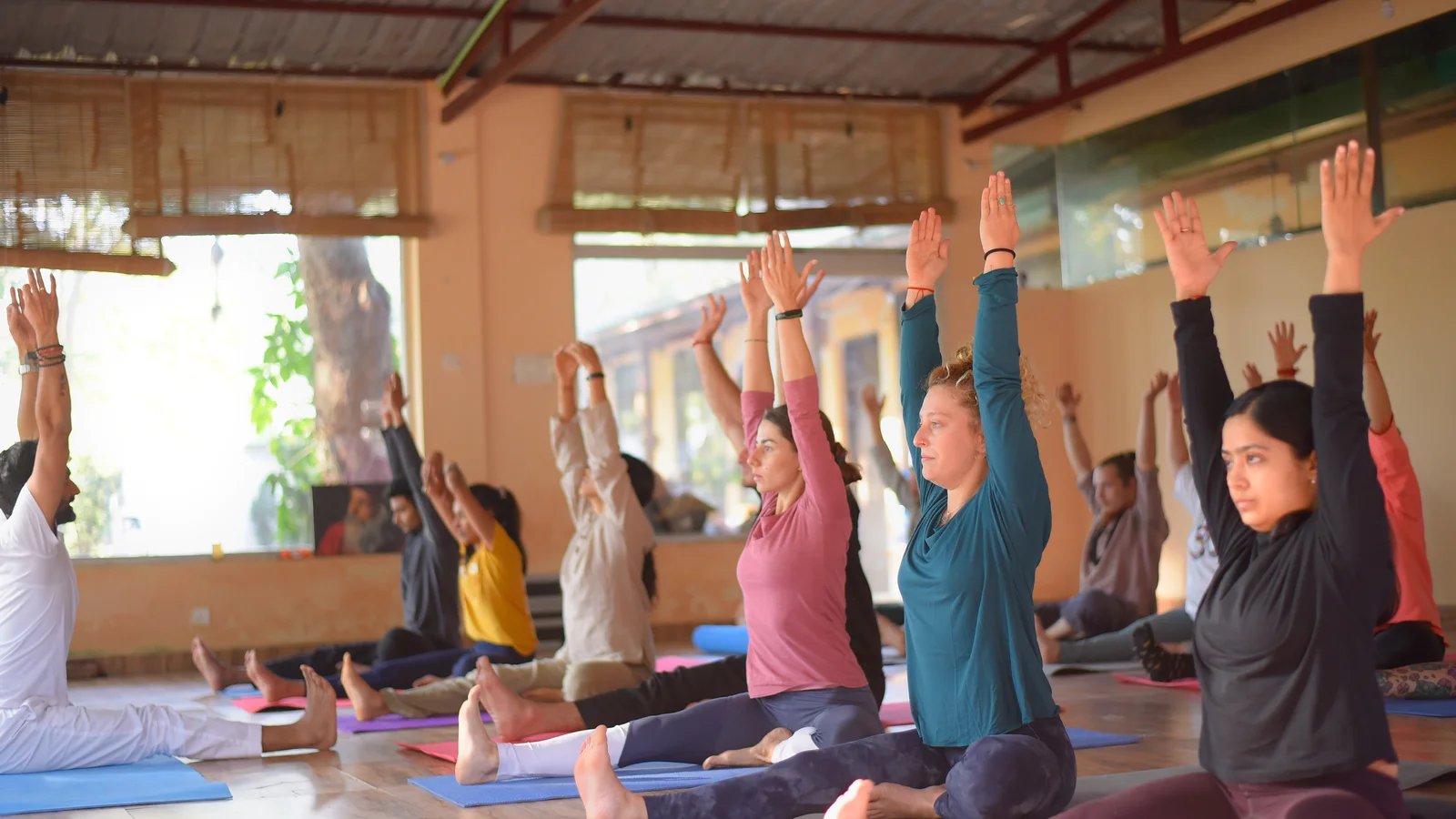
- 06:15 - 07:15 Yoga class/alignment/adjustment/Surya namaskar/detailed explanation of each asana and benefits
- 07:15 - 07:45 Pranayama
- 08:00 Madhuram drink
- 08:30 - 9:30 Breakfast
- 09:30 - 11:00 Rest time/self-study
- 11:00 - 12:00 Meditation class (yoga hall/Ganga side)
- 12:30 - 13:30 Lunch
- 13:30 - 14:30 Rest time/self-study
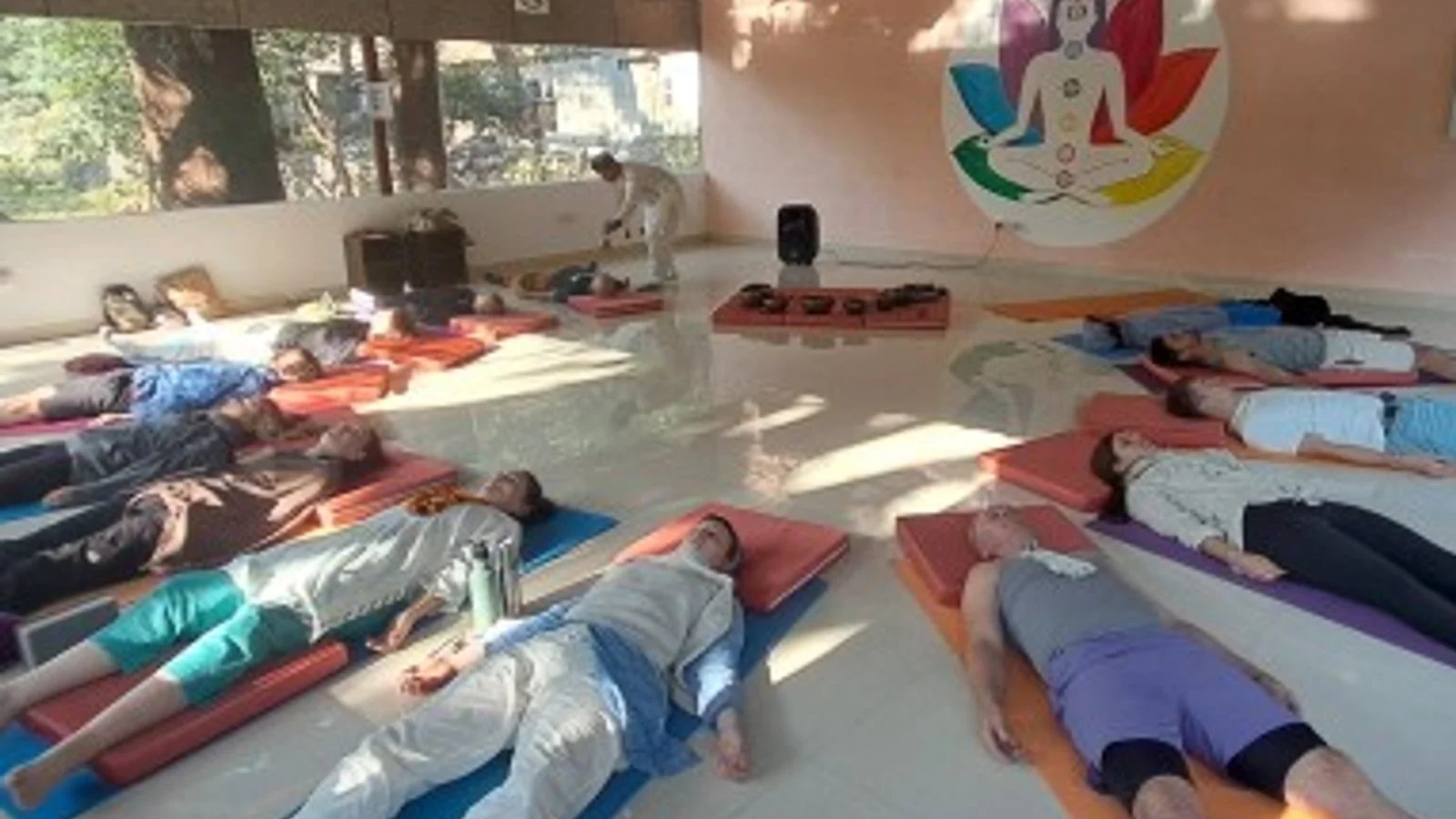
- 14:30 - 15:30 Sound healing session (alternate days)
- 15:30 Fruits/vegetable juice
- 16:00 - 17:00 Yoga class/alignment/adjustment/Surya namaskar/detailed explanation of each asana and benefits
- 17:00 - 17:30 Pranayama
- 17:30 - 18:00 Ayurvedic drink/detox drink/herbal drink
- 18:30 - 19:30 Meditation class (yoga hall/Ganga side)
- 19:30 - 20:30 Dinner
- 20:30 Optional (philosophy/kirtan/bhajan/mantra chanting)
- Temple Visit
- Evening Ganga Aarti
This Yoga Retreat is vegetarian-friendly
Cleansing and wholesome nutrition for your practiceTarang Yoga Ashram will serve delicious vegetarian food and are happy to accommodate the needs of the students by serving gluten-free and/or vegan food.
If you have any specific dietary conditions such as food allergies, etc., they will be happy to prepare special food for you.
Their food is prepared in a loving and spiritual manner to ensure that you receive every benefit from the food you take. Truly fresh ingredients, organic vegetables, and fruit are used wherever possible.
Three meals and refreshments are served on a single day. The food menu is prepared by taking into consideration a balanced nutritional diet.
The following meals are included:
- Breakfast
- Lunch
- Dinner
- Drinks
The following drinks are included:
- Water
- Soda
- Detox juices
The following dietary requirement(s) are served and/or catered for:
- Vegetarian
- Vegan
- Gluten Free
- Yogic
- Ayurvedic
If you have special dietary requirements it's a good idea to communicate it to the organizer when making a reservation.
Cycling
Kayaking
- Bungee jumping
- Himalaya trekking
- Exploring local markets and ghats
- River rafting
- 24 nights’ accommodation
- Rooms with air conditioner, hot water, attached bath & toilet and balcony
- Unlimited free high-speed Wi-Fi internet connection
- Daily nutritious vegetarian meals 3 times a day (Ayurvedic / Detox / Herbal / Vegetable juice / Fruit juice 4 times a day)
- Drinking-water-available from the water filter 24/7
- Yoga mat for practice
- Course books and manuals
- Yogic cleansing material like neti pot, rubber tube, etc.
- Free washing machine for laundry
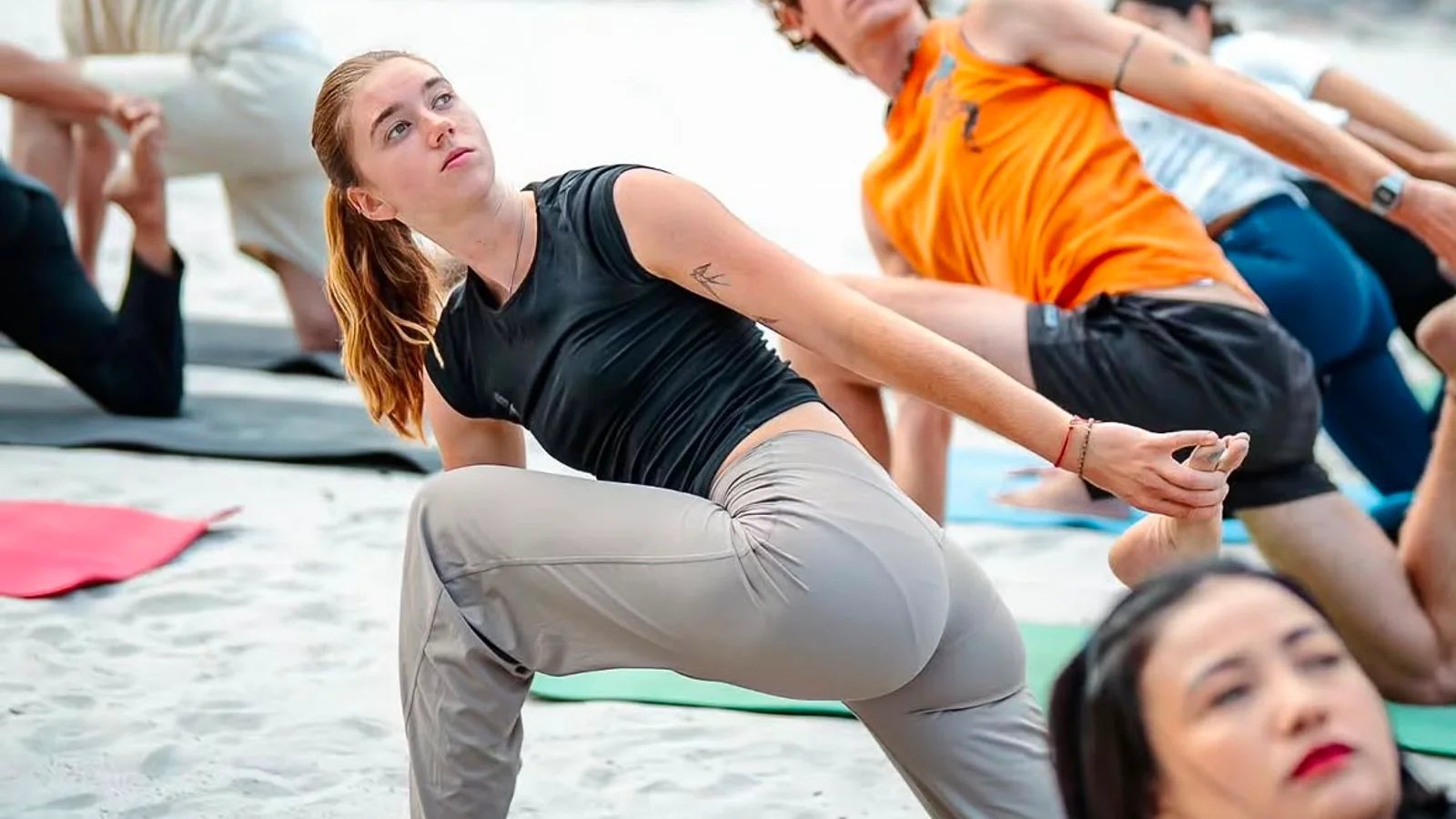
- Beach yoga & garden yoga
- Nature walk to the waterfall and different locations around
- Experience of Karma yoga, Bhakti yoga
- Sound healing session
- Certificate of completion
- Ten sound healing sessions
- Flights
- Visa
- Airport transfer
- GST
Beautiful and serene location in Rishikesh, carefully chosen to provide the perfect setting for your yoga journey.
Recommended Airports
Arrival by airplane
You can book your flight to arrive at Indira Gandhi International Airport (DEL) or Jolly Grant Airport (DED). Tarang Yoga Ashram provides pick-up service from Indira Gandhi International Airport (DEL) and Jolly Grant Airport (DED) at some additional cost.
Taking a taxi from Delhi to Rishikesh is worth considering, as it is connected to other cities via the National Highway 58, which is in good condition for most of the year. Tarang Yoga Ashram can organize a taxi for you, They always work with the same taxi company and drivers. The drive from Delhi to Rishikesh would take approximately 5 to 6 hours. The approximate fare from New Delhi is around 68 EUR (between 5,000 and 6,000 INR) depending on the season and time of the day. If you arrive on the 2nd like most students you might be able ti share the taxi and the taxi cost with someone else
Being a popular tourist destination, Rishikesh has a good network of buses connecting it with important places such as Haridwar, Dehradun, and New Delhi. Buses depart in the morning and late evening from the Kashmere Gate ISBT, New Delhi for Rishikesh every day. You can choose from a regular, deluxe, or luxurious coach.
The nearest railhead to Rishikesh is in Haridwar which is approximately 25 kilometers away. Haridwar, in turn, is linked to major Indian cities such as Delhi, Mumbai, Kolkata, Lucknow, and Varanasi. Some of the popular trains are Shatabadi Express, Jan Shatabdi, AC Special Express, and Mussoorie Express. For those making the journey to Rishikesh, it is advisable to take the train till Haridwar and then either take a bus or hire a taxi to Rishikesh. While the bus would take about 45 minutes, the taxi will take you to Rishikesh in about half an hour.
Additional charges may apply. You can request this in the next step.
Additional charges may apply. You can request this in the next step.
A reservation requires a deposit of 25% of the total price. The deposit is non-refundable, if the booking is cancelled. The rest of the payment should be paid on arrival.
- A reservation requires a deposit of 15% of the total price.
- The deposit is non-refundable, if the booking is cancelled.
- The rest of the payment should be paid on arrival.
Guest reviews
No reviews yet — be the first to share your experience.
Similar Retreats You Might Love
Explore other transformative experiences in India
3-Day Yoga and Meditation Retreat in Rishikesh, India
7 Day Riverside Yoga Retreat in Rishikesh with Daily Meditation & Ayurveda

5 Day Riverside Yoga Retreat in Rishikesh with Daily Meditation
