
25 Day 300 - Hour Kundalini Yoga Teacher Training in Bali, Indonesia
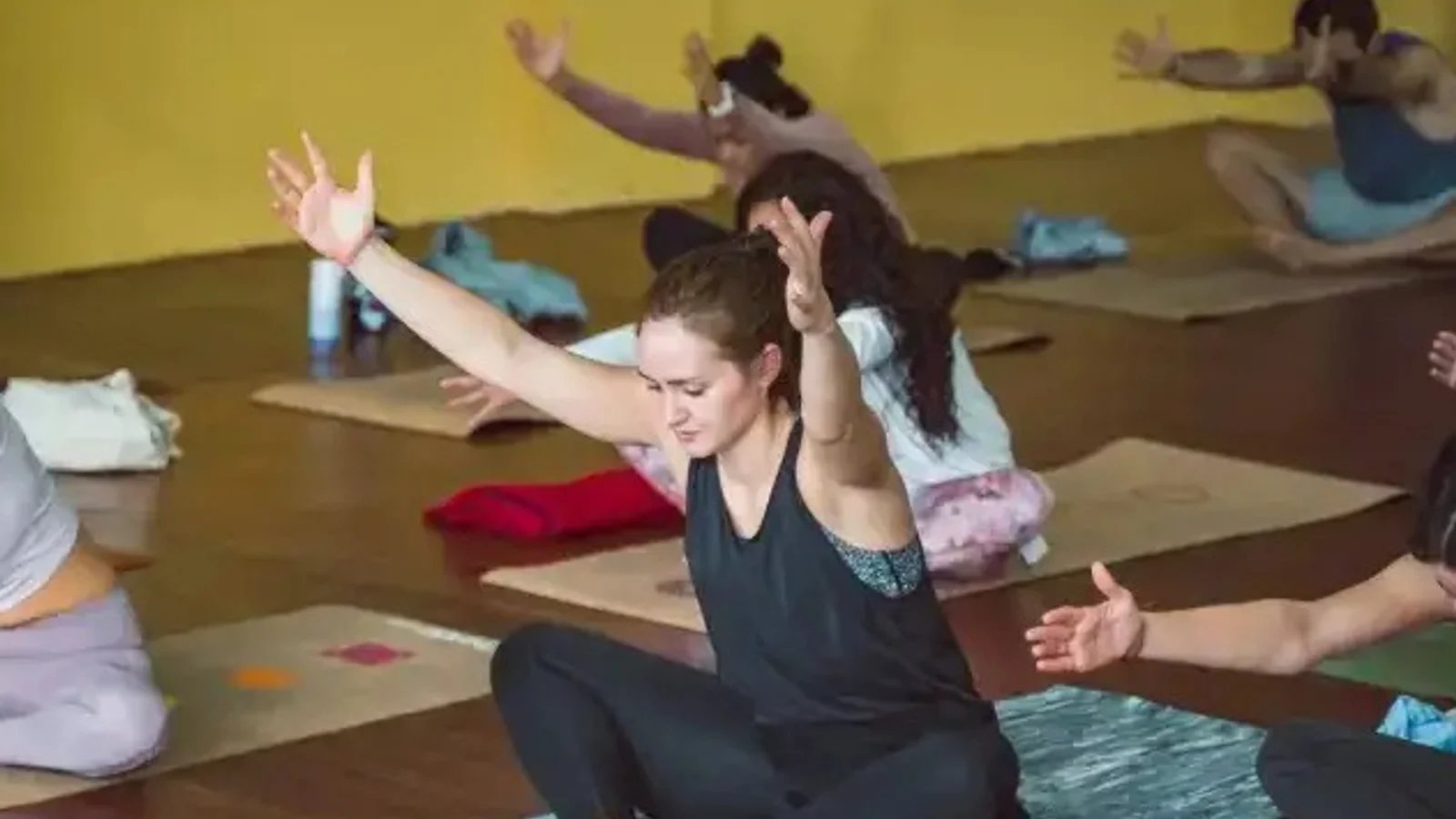
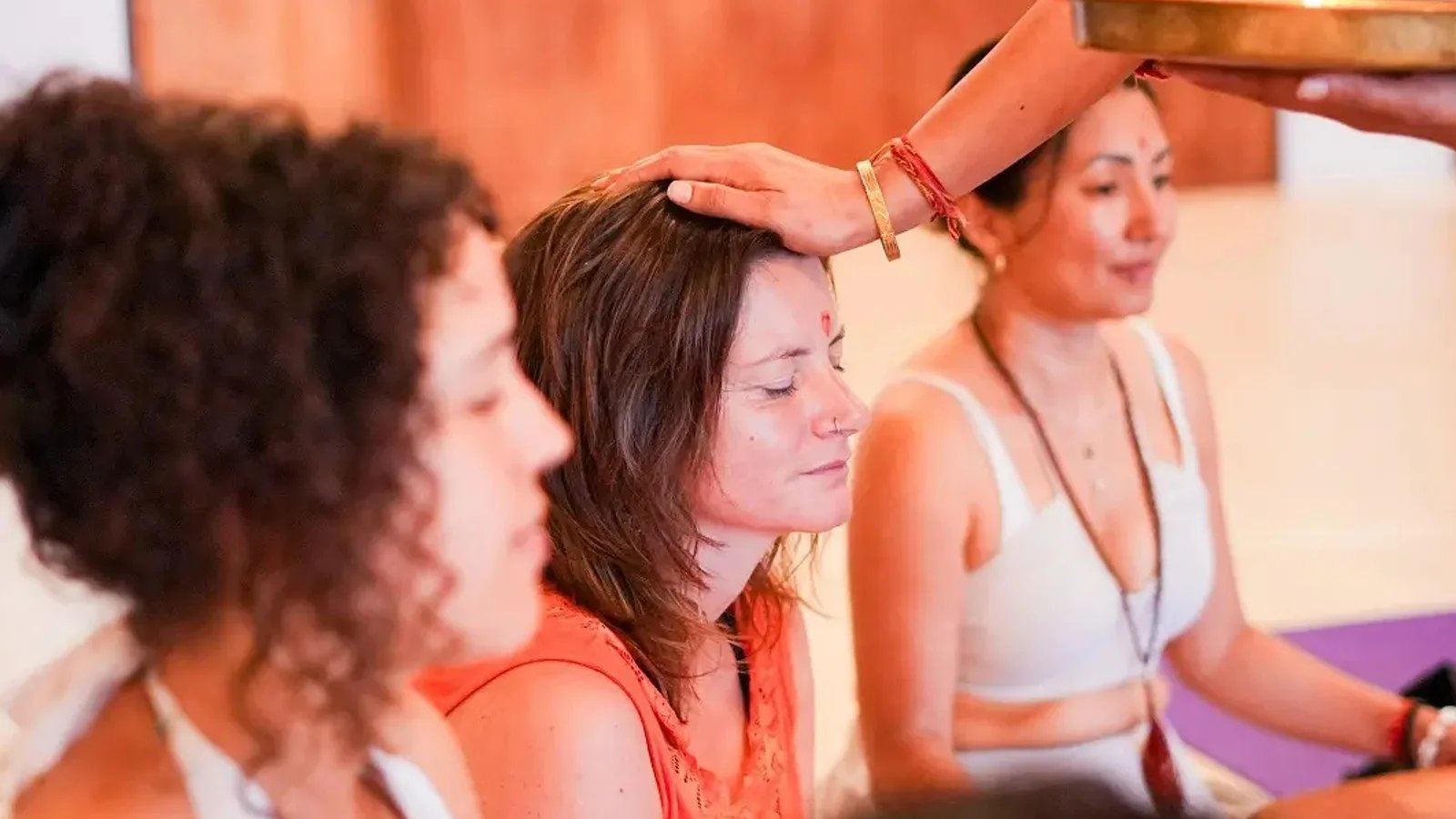

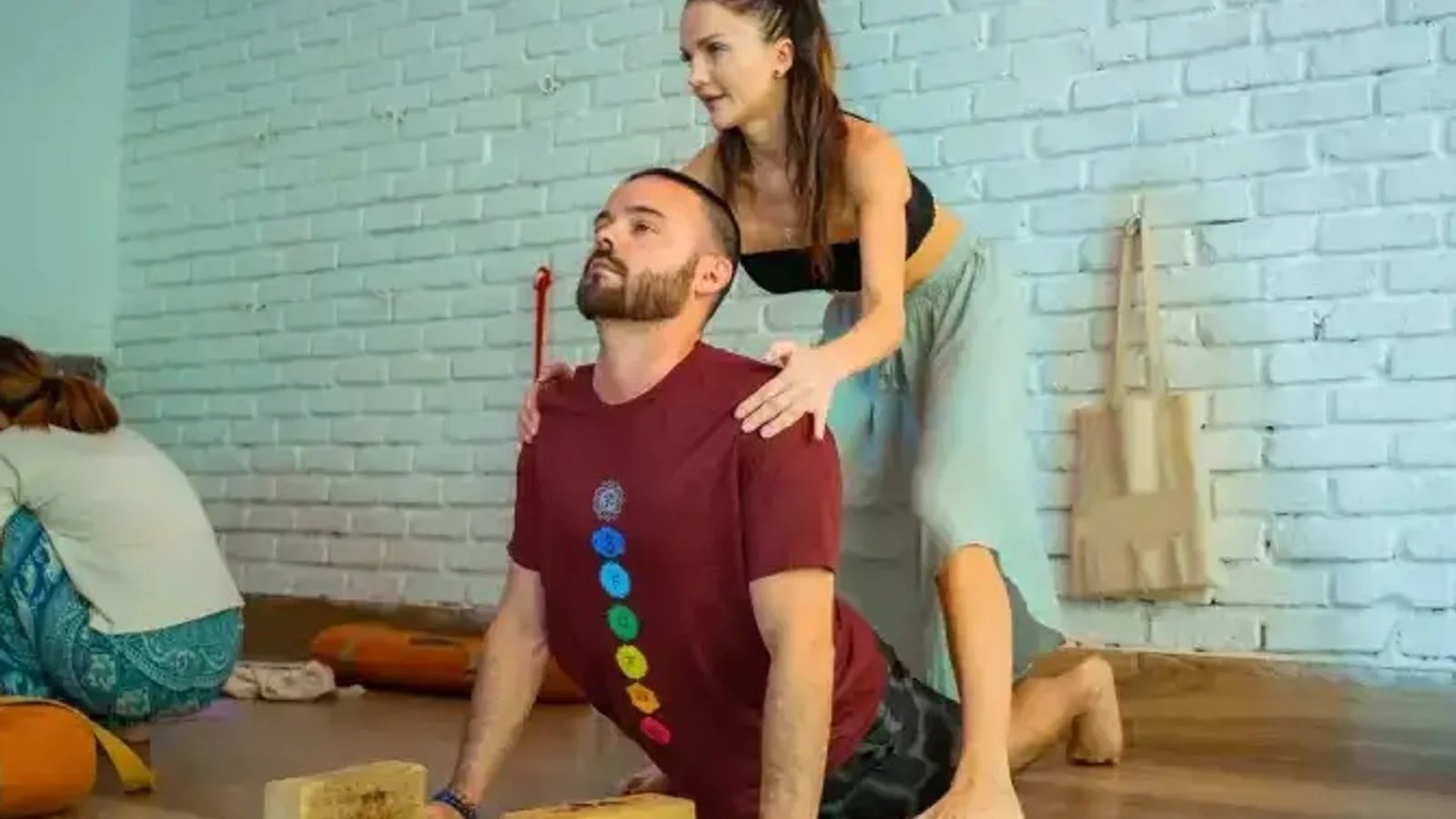
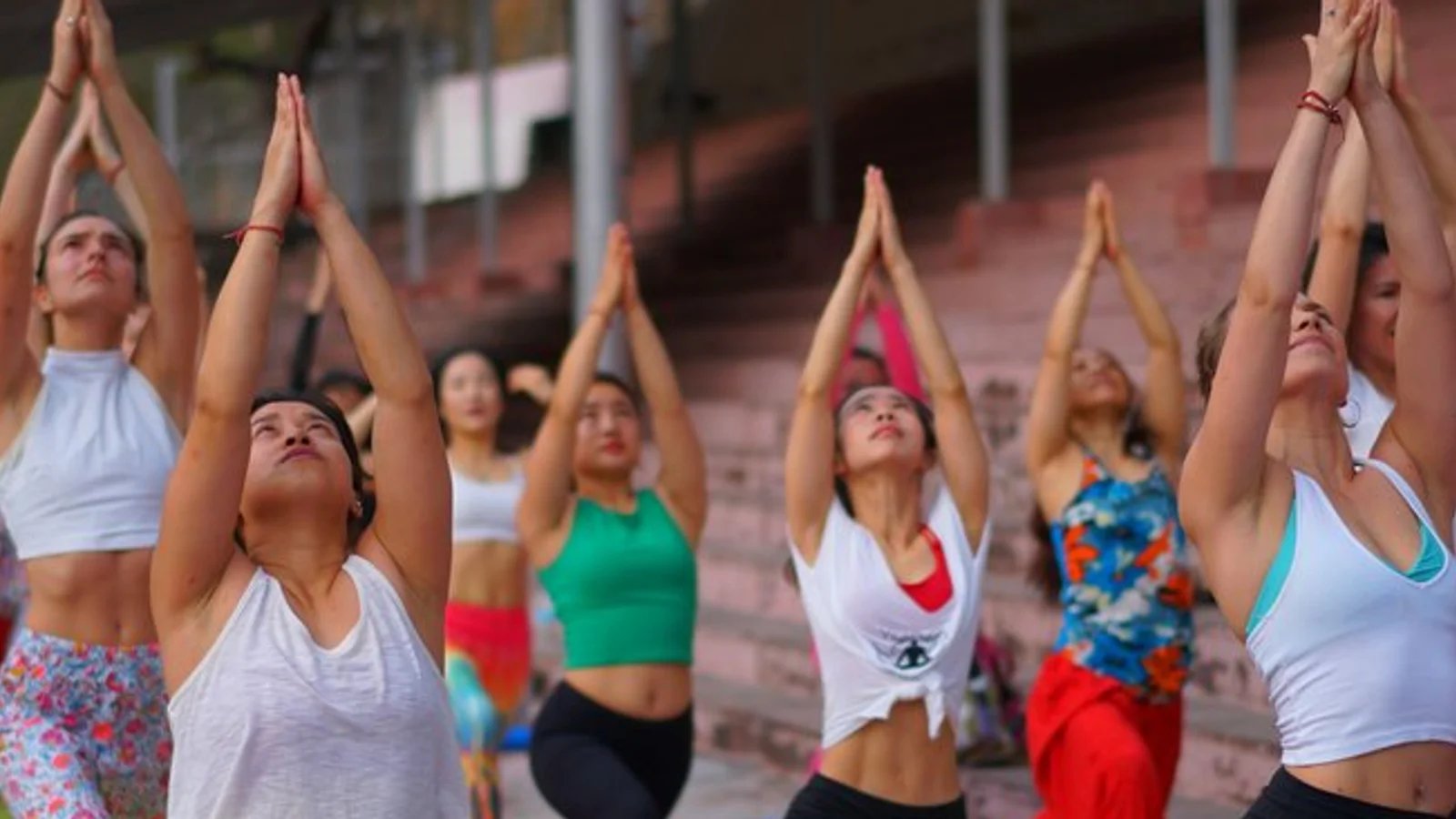

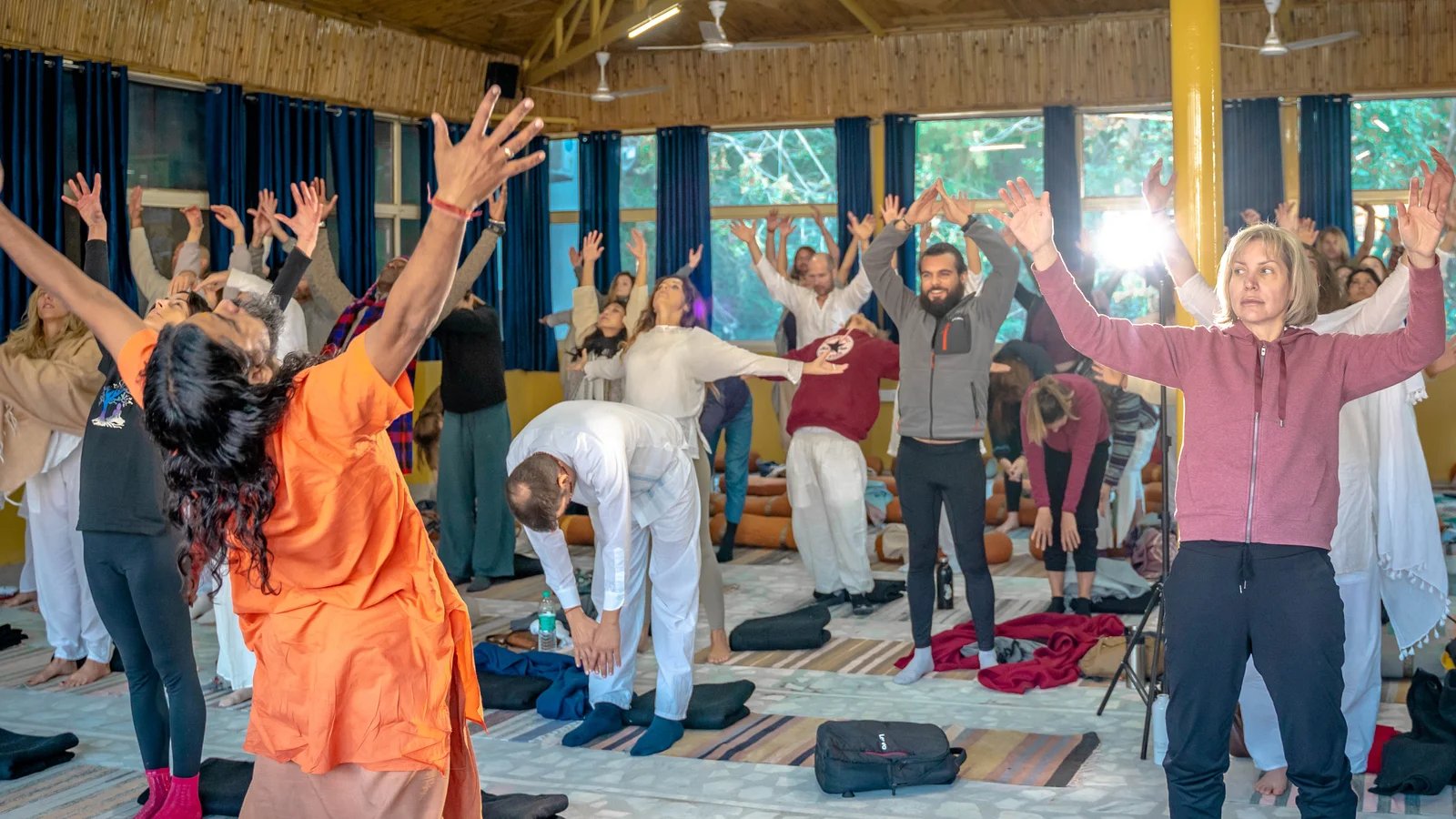
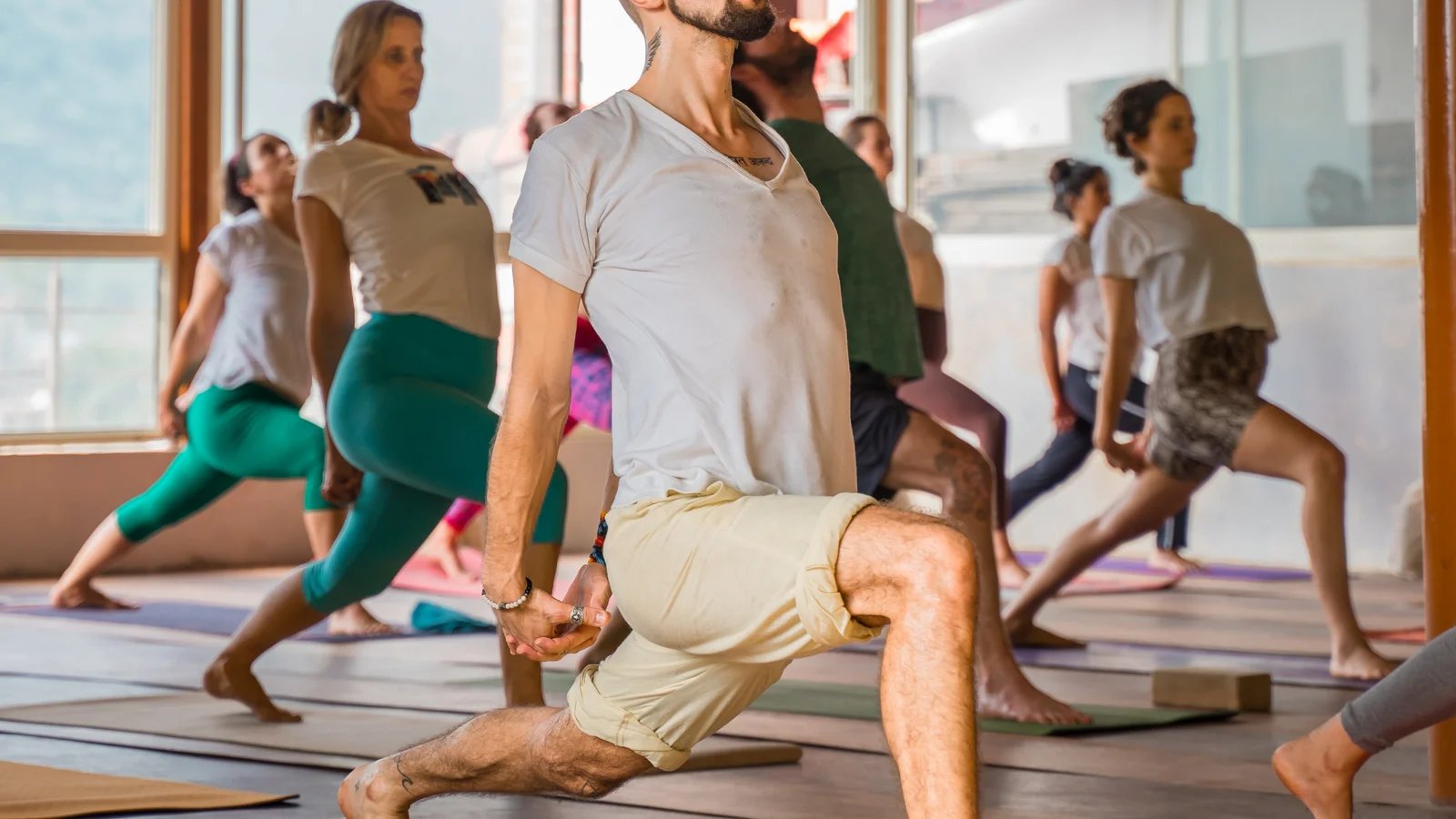
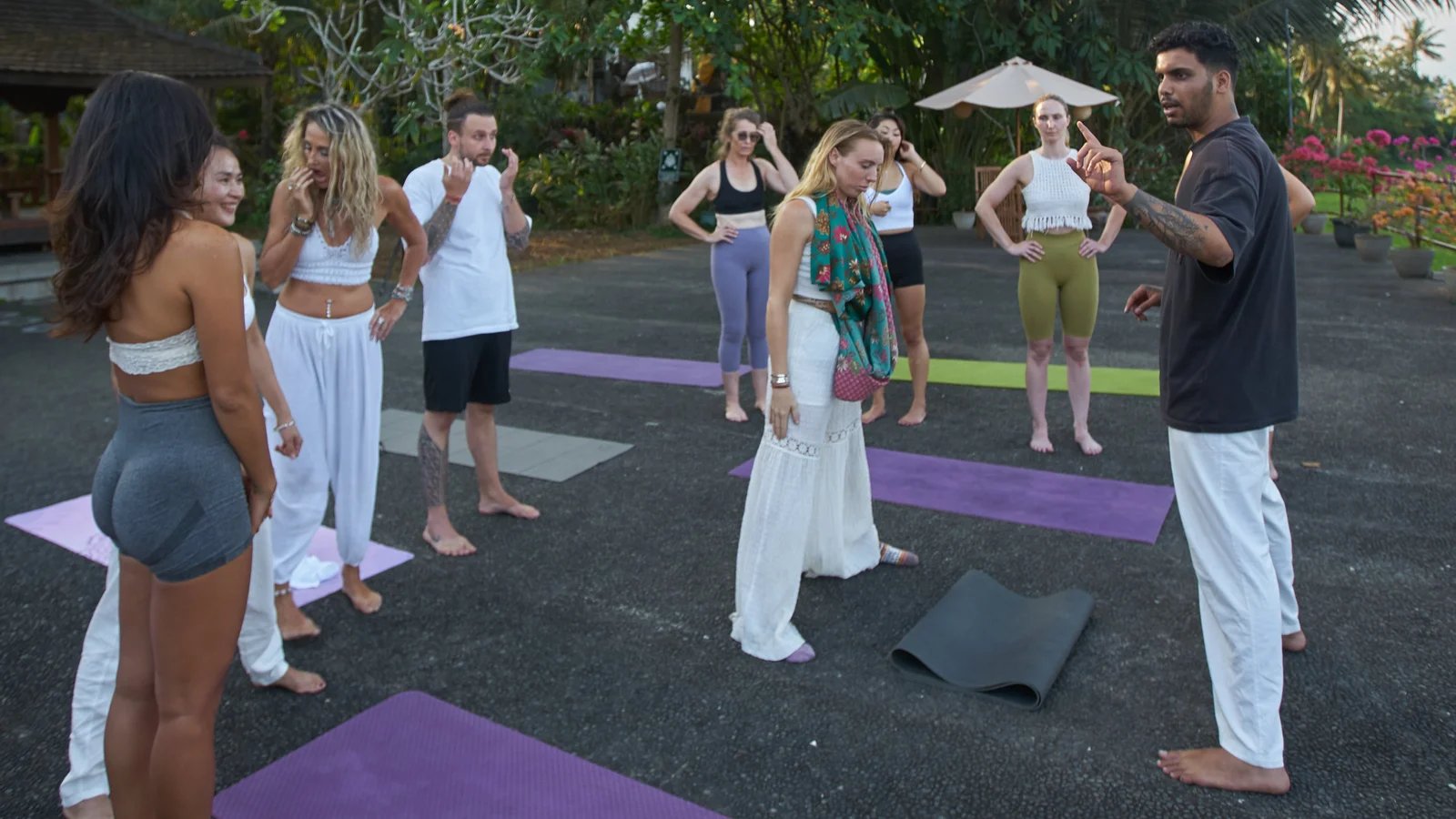
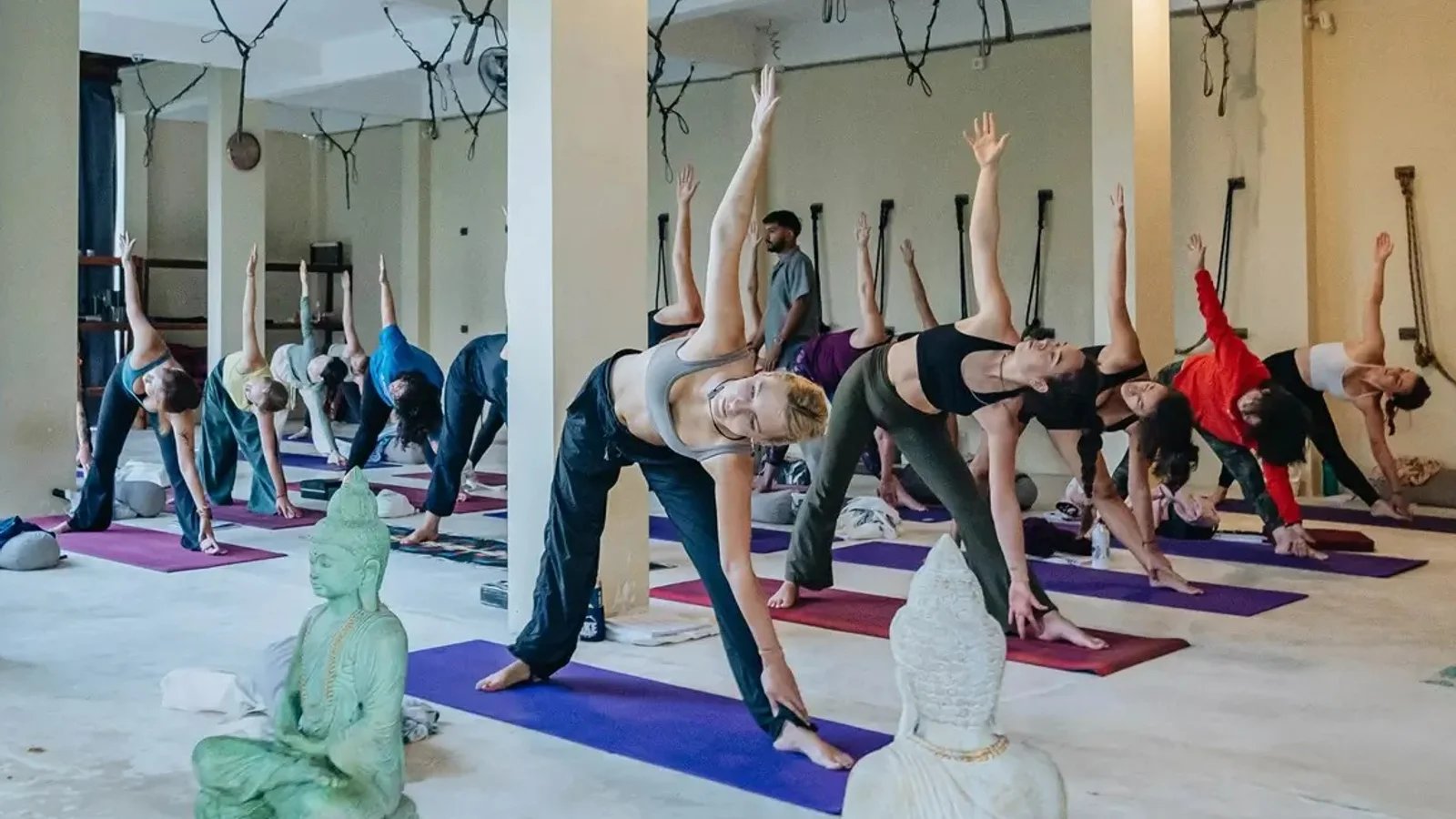
"Deepening Yoga Teacher Training in Indonesia"
Program Overview
Deepen your practice, expand your knowledge, and advance your teaching journey with this transformative 300-hour Kundalini yoga teacher training in Bali, Indonesia. Designed for yoga teachers and dedicated practitioners, this immersive program explores advanced Kundalini yoga practices, kriyas, pranayama, meditation, mantra chanting, yoga philosophy, anatomy, and teaching methodology. Surrounded...


Highlights
- Certificate of completion
- Advanced 300-hour Kundalini yoga teacher training
- Kundalini kriyas, advanced yoga practices, pranayama, and meditation
- Explore Kundalini energy, chakras, nadis, and the subtle body system
- Study advanced yoga philosophy, anatomy, and traditional yogic teachings
- Sequencing, teaching methodology, and guided practice teaching
- Develop greater self-awareness, spiritual connection, and personal transformation
- 24 nights accommodation with daily nourishing meals
At a glance
Yoga styles
Check-in Time: 11:00
Check-out Time: 12:00
Stay in comfortable accommodation designed to provide a relaxing and supportive environment throughout your Kundalini Yoga Teacher Training. Surrounded by the peaceful atmosphere of Ubud, the accommodation allows you to rest, recharge, study, and fully immerse yourself in your yoga journey.
Comfortable and peaceful accommodation in Ubud
- Comfortable shared and private room options available
- Clean, spacious, and well-maintained rooms
- Comfortable beds with fresh bed linens
- Private or attached bathroom facilities
- Hot and cold water available
- Air-conditioned rooms for a comfortable stay
- Complimentary Wi-Fi access
- Peaceful common areas for relaxation, self-study, and connecting with fellow students
- A safe and welcoming environment for international students
Master the advanced Kundalini Sadhana in Tranquil Bali
The 300-hour advanced Kundalini, tantra, and meditation yoga teacher training in Bali is the deeper pathway for serious sadhakas and 200-hour Kundalini graduates ready to refine and master the energy body. The course unfolds across 25 days in the lush, calming setting of Bali - combining advanced Kundalini kriyas, tantric pranayama, mantra-shaktipata, chakra mastery, deeper meditation, scriptural study, and the methodology to teach Kundalini.
This 25-day intensive gives you the depth and authority to live and teach Kundalini Sadhana - advanced cleansing kriyas, bandhas, mudras, mantra-shaktipata, chakra meditation, subtle anatomy, and yogic philosophy. At Samadhi Yoga Ashram Bali, yoga is presented and practiced not only as a self-contained system but also as a way of life that ultimately leads to moksha (liberation) - first from the pains of the gross body and eventually from one’s own inner fears.
Who can join the course
The 300-hour advanced Kundalini, tantra, and meditation yoga teacher training in Bali is for serious sadhakas, 200-hour Kundalini graduates, and yoga teachers ready to master the energy body - advanced kriyas, chakras, nadis, mantra-shaktipata, and deep meditation. A regular daily practice and prior Kundalini or yoga immersion are recommended.
- 200-hour Kundalini graduates ready to refine and master their Kundalini Sadhana with advanced practices.
- Practising yoga teachers looking to add advanced authentic Kundalini Tantra wisdom to their teaching.
- Serious sadhakas ready to go deeper into kriyas, mantra-shaktipata, chakra mastery and tantric meditation.
- Healers and therapists exploring advanced subtle anatomy - nadis, koshas, panchakosha and energy work.
- Devotees and mantra practitioners wishing to combine deeper ashram immersion with the natural beauty of Bali.
- Working teachers - the 25-day advanced residential format fits a career break or studio break.
- Adult seekers (18+) of any gender, faith, or background - sincere commitment and prior practice are the only must-haves.
Course hour breakdown
The 300-hour Kundalini curriculum advances its core pillars - kriya, pranayama, mantra, meditation, and the philosophy of awakening - into deeper, more subtle territory. It assumes the 200-hour foundation and refines it, completing the path toward 500-hour Kundalini certification.
Each practice is repeated daily through the residential immersion in Bali, so it becomes a steady sadhana rather than something touched once and left. This daily repetition - the traditional gurukul method - is what turns 300 advanced hours into genuine mastery, not just information.
- Classes (25 days × 9 hours/day) - 225 hours
- Self-study (25 days × 3 hours/day) - 75 hours
- Total duration (classes + self-study) - 300 hours
Curriculum
Techniques and practice (150 hours)
Mantra, Kundalini asana, kriyas, awakening practices, Hatha, pranayama, meditation, Yoga Nidra, cleansing, mudras, and bandhas.
1. Mantra and mantra chanting
Mantra (optional) - Mantra is a set of words that consist of specific sounds, vibrations received by ancient yogis and seers, which offer a powerful physical, mental, and spiritual benefit. There are many kinds of Mantras available for different purposes. You will be learning:
- Art and science of mantra
- Mantra and its power
- How mantra is made
- Is mantra a religion
- Sound vibration
Mantra chanting
- The proper way of chanting the Om mantra
- Shiva mantra for peace
- Durga mantra for energy awakening
- Kundalini mantra
- Krishna mantra for joy
- Ganesha mantra for stillness and removal of obstacles
- Mantra to be led towards light and immortality (asatoma)
- Surrender mantra (tvamevamata)
- Mantra to save life and journey (trayamvakam)
- Mantra for purification of the mind (gayatri)
- Guru disciple study mantra (sahana)
- Guru mantra (guru brahma)
- Patanjali mantra (yogenacittasya)
- Suryanamaskar 12 mantra (Om mitraya)
2. Kundalini yoga asana
- Alignment, assist, and adjustment
- Surya namaskar (sun salutation)
- Chandra namaskar (moon salutation)
- Bharadvajasana
- Lolasana - swinging pose
- Kukkutasana - rooster pose
- Sarpasana - snake pose
- Shalabhasana - locust pose
- Dhanurasana - bow pose
- Paschimottanasana - seated forward bend
- Janu sirshasana - head to knee pose
- Parivirta janu sirshasana - revolving head to knee pose
- Sarvangasana - shoulder stand
- Padam sarvangasana - shoulder stand lotus pose
- Sirshasana - headstand
- Natarajasana - lord shiva’s pose
- Utthita hasta padangusthasana
- Naukasana - boat pose
- Vatayanasana - horse face pose
- Mayurasana - peacock pose
- Koormasana - tortoise pose
- Chakrasana - wheel pose
- Hanumanasana - monkey pose
- Agnistambhasana - fire log pose
- Brahmacharyasana - celibate’s pose
- Astavakrasana - eight-twists pose
- Ek pada sirasana - one foot to head pose
- Chaturanga dandasana
- Pincha mayurasana - feathered peacock pose
- Eka pada koundinyasana - sage koundinyasana
- Handstand - adho mukha vrksasana
- Ardha pincha mayurasana - dolphin pose
- Makara adho mukha svanasana - dolphin plank pose
- Bakasana - crow pose
- Ek pada bakasana - one leg crow
- Utthan pristhasana - lizard pose
- Pashasana - noose pose
- Parivrtta surya yantrasana - sundial or compass pose
- Titibasana - firefly pose
- Parshva bakasana - side crow
3. Kundalini joint movements
- Warm-up exercises
- Feet and ankle exercises
- Knee movement
- Hip movement and rotation
- Leg cradle
- Side bending
- Arms movement
- Arm swing
- Elbow movement
- Wrist and hand movement
- Neck exercises
- Chin, jaw, mouth, tongue, eye, and head exercises
4. Kundalini awakening
- Rules and preparation
- Postures
- Chakra sadhana
- Practices to awaken ajna chakra
- Practices to awaken mooladhar chakra
- Practices to awaken swadhisthan chakra
- Practices to awaken manipura chakra
- Practices to awaken anahata chakra
- Practices to awaken vishuddhi chakra
- Practices to awaken bindu
- Practices for chakra awareness
- Moola shakti bandha (root energy lock)
- Uddiyana shakti bandha (abdomen energy lock)
- Jalandhar shakti bandha (throat energy lock)
- Maha shakti bandha (great energy lock)
5. Hatha Yoga
Samadhi Yoga Ashram teaches the traditional ancient style of Hatha yoga that has been practiced by the Himalayan Masters for thousands of years. At the school, you practice according to your strength and flexibility. The main purpose is to attain perfect health and peace of mind. Here is the list of asana series that will be practiced;
- Pavan muktasana series 1 (15 practices)
- Pavan muktasana series – 2 (10 practices)
- Pavan muktasana series - 3 (10 practices)
- Centering postures series (5 practices)
- Surya namaskar (12 asana series)
- Chandra namaskar (12 asana series)
- Standing postures series (10 practices)
- Kneeling postures series (5 practices)
- Sitting postures series (10 practices)
- Forward bending postures series (5 practices)
- Backward bending postures series (5 practices)
- Supine postures series (6 practices)
- Prone postures series (5 practices)
- Fire series (5 practices)
- Inversions series (5 practices)
- Twisting postures series (5 practices)
- Balancing postures series (5 practices)
- Relaxing posture series (5 practices)
- Meditative asana series (5 practices)
Note: In total, you will learn 140 yoga exercises
The theory is just as important as practicing. Without proper understanding, you cannot do well. The teachers will teach a base of understanding why, how, when, and what you need to do in an asana class. You must be self-motivated to go deeper into the postures. Here are some of the theories you will be learning:
- Philosophy of Hatha yoga
- Ancient scriptures of Hatha yoga
- Aim and objectives of Hatha yoga
- Yoga as a therapy
- Yoga as balancing
- How Hatha yoga is connected to your chakras, nadis, Kundalini, and your subtle body
6. Pranayama
Pranayama is the central practice in traditional yoga. Many people misunderstand pranayama as the breathing practice only, but it is something more. In this class, you will learn the secret of pranayama and how it leads us to health, peace, happiness, balance, and awakening of Kundalini.
Every week will lead to a different state of experience.
- Building strength in your system and a step-by-step understanding of pranayama.
- Move from beginning to a deeper understanding of pranayama and practices.
- Move towards advancing the practices with holding the breath and breathing with chakra awareness.
- Practice teaching and move towards mastery of the breath.
Here are the topics you will be learning for the study of pranayama:
- What is prana
- What is pranayama
- What is breath and connection with the prana
- Importance and benefits of pranayama
- How to prepare ourselves to practice them
- Aspects of breathing
- Ancient texts of breathing
- General understanding
- Understand all about nostrils and how to activate them
- Secrets of pranayama
- Breath flow in 5 elements
- Unit of prana
- Function of prana
- Three levels of prana
- Three gunas
- How does prana flow
- Quality of breath
- Imbalance of prana
- Retention of breath
- 6 sitting positions for pranayama practices
- Breathing pattern
- Prana connection with chakras and Kundalini
Beginners and intermediate practices
- Clavicular pranayama
- Thoracic pranayama
- Diaphragmatic pranayama
- Yogic pranayama
- Pranava pranayama
- Nadisodhanam pranayama
- Bhastrika pranayama
- Kapalbhati pranayama
- Bhramari pranayama
- Ujjayi pranayama
- Sitali pranayama
- Sitkari pranayama
- Murcha pranayama
- Surya bhedi pranayama
- Chandra bhedi pranayama
7. Meditation
Once you stabilize your posture through asana, cleanse your energy through pranayama, and control your senses through pratyahara, you will be able to focus your mind. Meditation starts with concentration practices, and with your 300-hour advanced Kundalini YTTC, you will learn deeper techniques to master high-level concentration and awareness.
With this 25-day advanced program, you will learn intermediate to advanced levels of meditation preparations and techniques. Each day, you will get a little more understanding of how to perform them and experience their benefits.
- Developing foundation
- Developing one-pointed focus, different types of concentration techniques, and visualization exercises
- Meditation techniques
- Chakra awareness and Kundalini meditation
Here is the list of what you will be learning:
- Introduction to meditation
- History of meditation
- Preparation for meditation
- What is meditation and what it is not
- Why- how- where- when meditation
- Philosophy of meditation
- Meditation traditions
- Meditation scriptures
- Aim and objectives of meditation
- Sitting positions
- How to sit correctly
- Preliminary practices before practicing meditation
- Role of diaphragmatic breathing in meditation
- Correct breathing in meditation
- How to relax in meditation
Himalayan meditation practices
- Basics foundation meditation practice
- Breath- mind- mantra awareness
- Tratak meditation
- Nada meditation practices
Music meditation
- Om meditation
- Mantra power meditation
Active meditation practices
- Dynamic moving meditation (osho)
- Buddha walking meditation
- Karma yoga meditation
- Gaurishankar meditation
Tantra and Kundalini meditation practices
- 7 chakra awareness meditation
- Ajna chakra awakening meditation
- Kundalini active meditation
Vipassana and passive meditation practices
- Breath awareness (anapana)
- Mindfulness and sensation
- Total awareness practice
- Mantra and kirtan meditation practices
- How to do japa (recitation)
- Kirtan event and creating a spiritual vibe
- Silence practice
- One-day silence meditation
8. Yoga Nidra
Yoga Nidra (sleep awareness/ psychic sleep) is a journey from a conscious to a superconscious state of awareness. All animals, birds, insects, and humans sleep in the same way, and the experience of sleep is also the same. This state brings oneness, and there is a great secret behind all of it. Yogi Vishnu is one of the most famous Yoga Nidra teachers. His proven techniques have been practiced for a long time by our sages. He will be the mentor and teacher, showing you how it can transform your life in a very short period of time. Yoga Nidra practices will take place every Friday.
- Basic relaxation practices
- Visualisation yoga Nidra
- Chakra awareness yoga Nidra
- Inner flame yoga Nidra
You will learn the basics of yoga Nidra
- Meaning and purpose of yoga Nidra
- Different schools and traditions of yoga Nidra
- Tantric origin of yoga Nidra
- Lifestyle and rules for yoga Nidra practitioners
- Benefits and risks of yoga Nidra
- Difference between yoga Nidra and meditation
- Yoga Nidra experience
- Yoga Nidra and healing
- 4 states of consciousness
- 3 body awareness
- Tension relaxation
9. Yoga cleansing
In this course, you will learn key cleansing practices for physical, mental, emotional, and spiritual well-being. The body continuously produces toxins, so proper cleansing of the nostrils, ears, eyes, skin, tongue, and other organs is essential. Beginners will practice six sat-karma techniques to unblock energy channels and deepen their yogic experience, along with understanding the theory behind them.
- What is satkarma
- Benefits and risks
- Who should and should not practice it
- Experiences
- Preparation for satkarma
- Practices after completing it
- Nadi cleansing
Practices that you will learn
- Jiwa dhauti
- Data-dhauti
- Karna-dhauti
- Rubber-net
- Jalaneti
- Kapalbhati
- Agnisara
10. Kundalini Tantra mudra
Mudra is a Divine gesture practiced with human hands. There are hundreds of them, and they can bring miraculous changes in the body and mind with their extraordinary powers.
You will learn about these powerful and secret mudras and their understanding.
- The secrets of mudra
- The position of elements in the hands
- The need for mudra
- The importance and advantages of mudras
- Special guidelines about mudra
- Gyan mudra (gesture of wisdom)
- Purn gyan mudra (gesture of complete wisdom)
- Vairagya mudra (gesture of dispassion)
- Abhaya mudra (gesture of blessing, fearlessness)
- Dhyana mudra (meditation mudra)
- Vayu mudra (gesture of air)
- Pran mudra (gesture of prana)
11. Bandha (energy lock)
The whole universe is made of energy. At all times, the energy is converted into matter so that you see the whole universe as what it is. The physical body is also made of energy, and it constantly works with it. With mudra, channelize the energy, and with bandha you control the energy and prevent it from draining. It helps you manage and maintain the energy. It is also helpful for Kundalini awakening.
There are only three bandhas according to yoga, but they will teach you many preparation techniques that will help you perform the bandhas correctly.
Here is what you will learn
- Meaning and importance of energy lock
- Why the energy lock and how our energy gets drained
- Energy knots and how to open them
- Understanding the three chakras: muladhara-manipura-visuddhi
- Experience of energy lock
- Benefits and risks of bandha practices
Practices (beginners and intermediate level)
- Agnisar (preparation to uddiyana)
- Bahir kumbhaka (external retention)
- Antar kumbhaka (internal retention)
- Ashwini mudra
- Vajroli mudra
- Mulabandha
- Uddiyana bandha
- Jalandhara bandha
Anatomy and physiology (30 hours)
Kundalini anatomy, yoga therapy, and Ayurvedic foundations.
12. Kundalini anatomy
- Nadis/energy channels
- Chakras
- Panchakosha (5 sheaths)
- Respiratory system
- Nervous system
- Tridosha
- Dhatus
- Vayu
13. Yoga therapy
Yoga is a holistic science which nurtures the body, mind and soul. It has a natural healing energy by which one can remain healthy, and if there is any illness, it helps the body heal naturally. You will be learning the basics of Yoga Therapy in the classes. The teachers will give instructions on the therapeutic value of respective practices during the asana, pranayama, meditation, and anatomy classes. There will be no specific class for it.
- What is yoga therapy?
- Rules and regulations of yoga therapy
- Healing through asana, pranayama, and meditation
- Therapy for common diseases
14. Ayurveda
Ayurveda is the sister science of yoga. It believes that the body is made of five elements which create three doshas: kapha, vata and pitta. When you keep them balanced, you are healthy and when imbalanced, you are ill. Ayurveda talks about a proper health management that all yoga teachers need to know to help people. They provide one Ayurveda workshop from their doctor. Here is what you will learn in the Ayurveda classes:
- Introduction to Ayurveda
- Unique features of Ayurvedic treatment
- Fundamentals of Ayurveda
- Panchamahabhuta
- Kapha (the theme of structure and lubrication)
- Vata (the energy of movement)
- Pitta (the energy of bio-transformation and heat generation)
- Prakriti- know your constitution
Yoga humanities (50 hours)
Sanskrit, chakra sound, Kundalini theory, and Tantra philosophy.
15. Basic Sanskrit and chakra sound
Vija Mantra of chakras
- Lam
- Vam
- Ram
- Yam
- Ham
- Om
Sanskrit syllable
- Vowel
- Consonant
Sound in different Chakras
16. Kundalini yoga theory and practice
- Serpent power
- Why Kundalini is sleeping
- The risk of awakening Kundalini
- Food for Kundalini awakening
- Tantric understanding of Kundalini
- Muladhara chakra
- Swadhisthan chakra
- Manipura chakra
- Anahata chakra
- Visuddhi chakra
- Ajna chakra
- Sahasrara chakra
- Guru and disciple relationship
- Initiation
- Feminine energy
17. Kundalini Tantra philosophy
- Introduction to Kundalini yoga
- Definition of the chakra
- Understanding the chakra
- Mooladhara chakra
- Swadhisthan chakra
- Manipura chakra
- Anahata chakra
- Vishudhhi chakra
- Aagya chakra
- Sahasrar chakra
- Kundalini awakening process
- Mantra-shaktipata
Professional essentials (70 hours)
Teaching methodology, alignment, and adjustment.
18. Teaching methodology
Learning or practicing yoga is not enough to teach. Teaching yoga is an art in which you transform people’s lives. A proper teaching methodology will help you with:
- Not to forget the sequence
- Avoid injuries
- Manage happiness during and after the practice
- Work with all sides of Yoga and all levels
- Give a meditative experience
- Manage and balance the energy flow
Here is what you will learn
- Proper demonstration of a yoga practice
- The proper way to instruct and guide a lesson
- Proper alignment of yoga postures
- Proper adjustment with/without props
- Yogic personality establishment
19. Alignment
- Sense of alignment
- Role of alignment in daily practice
- How to balance prana and chakras
- How alignment works in 5 koshas
- Importance of alignment
- Different aspects of alignment
- To decrease the risk of injuries
- Increase the movement of joints
- Alignment based on body regions
- Upper limb alignment
- Lower limb alignment
- Torso – thorax - abdomen – pelvis alignment
- Head and neck - alignment
- Spinal alignment
- Basic alignment postures
- How to bring the body into a comfortable position
- How to find balance between body and mind
20. Adjustment
- What is the sense of yoga adjustment
- What is the level of yoga adjustment
- Why adjustment is needed in yoga asana
- Role of adjustments in yoga asana class
- Right technique of perfect adjustment
- How to apply a bandha and when
- Exploring the dynamics of each asana
- How to adjust oneself in a posture
- How to adjust others during the class
- Prerequisite methods of adjustment
- Uses of different tools and props to achieve a peak in the posture
- Body weight management during a posture
- Safety rules and preparations
Schedule
The daily routine of the 300-hour advanced Kundalini, Tantra, and meditation yoga teacher training in Bali blends advanced Kundalini practice, tantric theory, and deep self-observation across 25 transformative days. Mornings open with silence and tantric pranayama, followed by advanced Kundalini-awakening kriyas and asana. Theory classes cover chakras, mantra-shaktipata, classical philosophy, subtle anatomy and the methodology of teaching Kundalini. Afternoons unfold into deeper meditation, self-study and Hatha grounding. Evenings close with sunset meditation and reflection - the perfect rhythm to master Kundalini Sadhana on the Island of the Gods.
Morning
- 05:00 - 06:00 Yoga sadhana
- 06:15 - 07:15 Pranayama and meditation
- 07:30 - 09:00 Kundalini Kriya and asana
- 09:00 - 09:45 Breakfast
- 10:45 - 11:45 Yoga anatomy
- 12:00 - 13:00 Alignment and teaching methodology
Afternoon and evening
- 13:00 - 14:00 Lunch
- 14:00 - 15:30 Self-study
- 15:30 - 16:30 Tantra philosophy and mantra
- 16:30 - 18:00 Hatha yoga and chakra meditation
- 18:00 - 19:00 Dinner
- 19:00 - 20:00 Sunset meditation and reflection
Depending on the season and weather, the timetable and timings can be subject to change.
Included cultural and spiritual experiences
Along with the 300-hour Kundalini yoga teacher training, students will have opportunities to experience the spiritual traditions, cultural heritage, and natural beauty of Bali. These experiences are designed to complement the advanced yoga training and encourage connection, reflection, and personal growth.
- Visit a traditional Balinese temple and experience local spiritual traditions
- Explore the cultural attractions and peaceful surroundings of Ubud
- Enjoy the beauty of Bali’s tropical landscapes and natural scenery
- Experience traditional Balinese culture and local heritage
- Connect with fellow students through shared group experiences
- Enjoy time for reflection, relaxation, and connection with nature
The excursion schedule may vary depending on the training timetable, weather conditions, and local availability. Any additional activities or excursions not specifically mentioned in the course package may be available at an extra cost.
This Yoga Retreat is vegetarian-friendly
Cleansing and wholesome nutrition for your practiceEnjoy fresh, wholesome, and nourishing vegetarian meals prepared to support your yoga practice, energy levels, and overall well-being throughout the 200-hour Kundalini yoga teacher training. The meals are designed to complement a yogic lifestyle and provide balanced nourishment during your stay in Bali.
The following meals are included:
- Breakfast
- Brunch
- Lunch
- Dinner
- Snacks
- Drinks
The following drinks are included:
- Water
- Tea
- Detox juices
The following dietary requirement(s) are served and/or catered for:
- Vegetarian
- Vegan
- Yogic
If you have special dietary requirements it's a good idea to communicate it to the organizer when making a reservation.
- Private yoga classes
- Personal meditation or pranayama sessions
- Reiki healing sessions
- Sound healing therapy sessions
- Astrology or palm reading consultations
- Taxi service for local sightseeing
- Guided tours to nearby temples and spiritual sites
- Adventure activities such as rafting and trekking
- Café visits and local market shopping in Rishikesh
- Certificate of completion
- Weekly workshops with visiting teachers
- Excursions to local temples and nearby places of interest
- 24 nights accommodation
- Sattvic vegetarian food — 3 freshly prepared meals daily
- Printed and digital study materials
- Yoga accessories and props — yoga mat, bolster, belt, and more
- Neti pot and rubber neti kit
- 24/7 clean water supply
- 24/7 CCTV security on campus
- Any travel costs to and from Bali
- Visa fees and visa-related expenses
- Extra nights of stay before or after the course
- Laundry services (available on campus at an extra cost)
- Air-conditioner and room heater (available at an extra cost — USD 150 / INR 8,000 for one month; the AC charge can be adjusted according to the number of course days)
- Personal expenses — shopping, phone recharge, and similar
Beautiful and serene location in Rishikesh, carefully chosen to provide the perfect setting for your yoga journey.
Recommended Airports
Arrival by airplane
The nearest airport is Denpasar International (DPS, also called Ngurah Rai). Once you book, the team will share detailed travel instructions and answer all your visa, transport, and arrival questions.
Additional charges may apply. You can request this in the next step.
A reservation requires a deposit of 30% of the total price. The deposit is non-refundable, if the booking is cancelled. The rest of the payment should be paid on arrival.
- A reservation requires a deposit of 15% of the total price.
- The deposit is non-refundable, if the booking is cancelled.
- The rest of the payment should be paid on arrival.
Guest reviews
No reviews yet — be the first to share your experience.
Similar Retreats You Might Love
Explore other transformative experiences in India
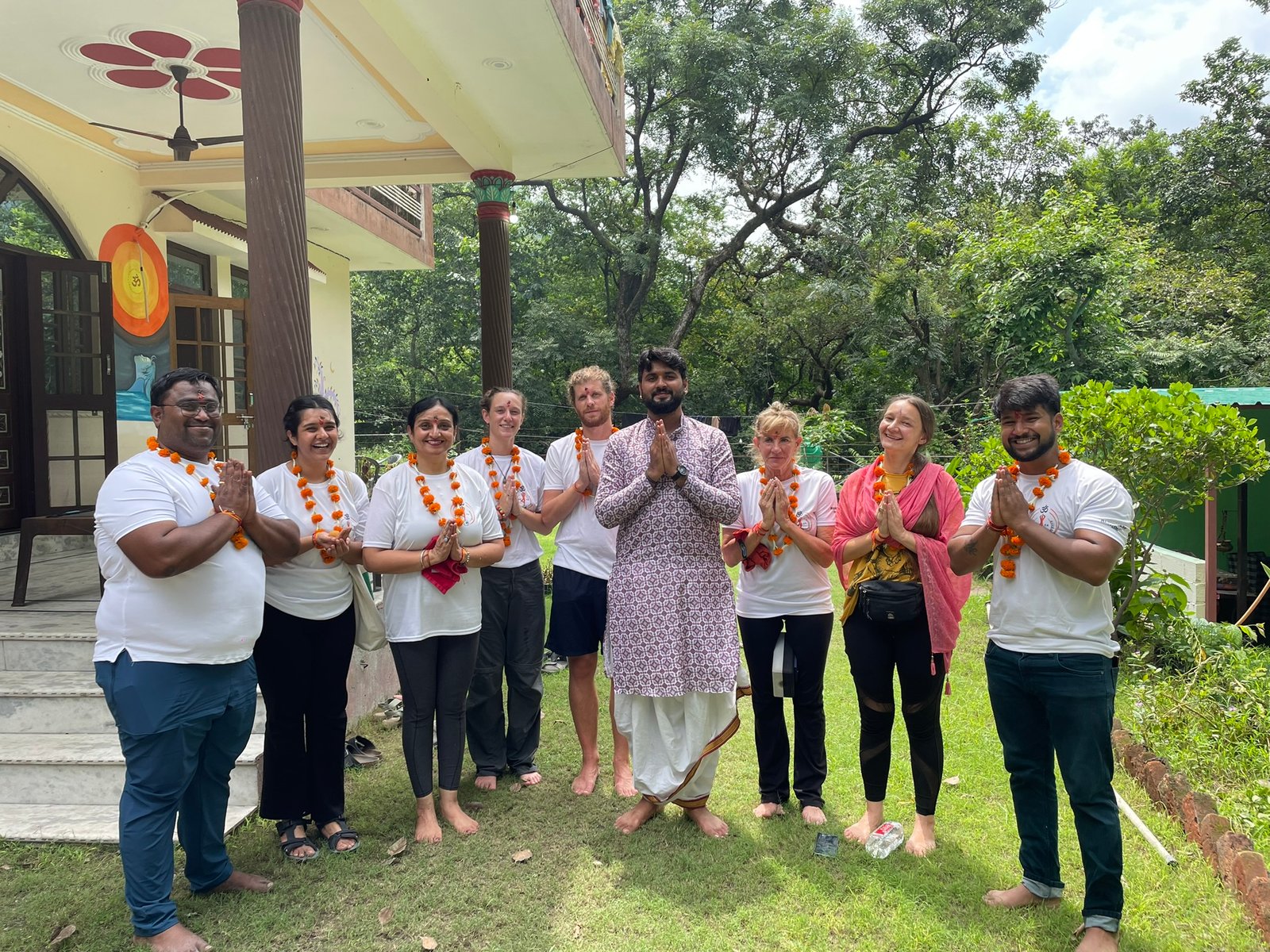
3-Day Yoga and Meditation Retreat in Rishikesh, India
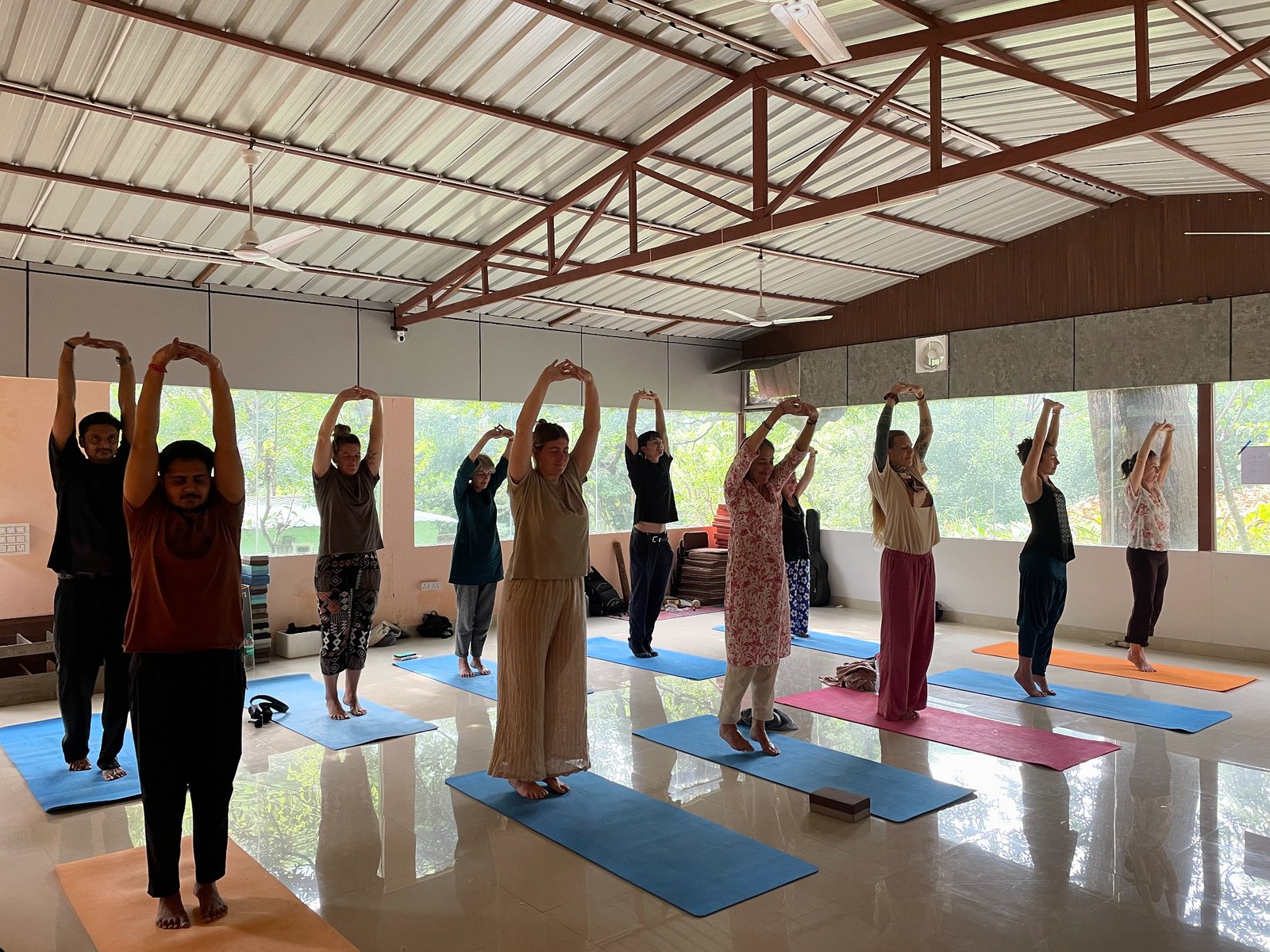
7 Day Riverside Yoga Retreat in Rishikesh with Daily Meditation & Ayurveda

5 Day Riverside Yoga Retreat in Rishikesh with Daily Meditation
