
25 Day 300 - Hour Yoga Teacher Training Course in Bali, Indonesia

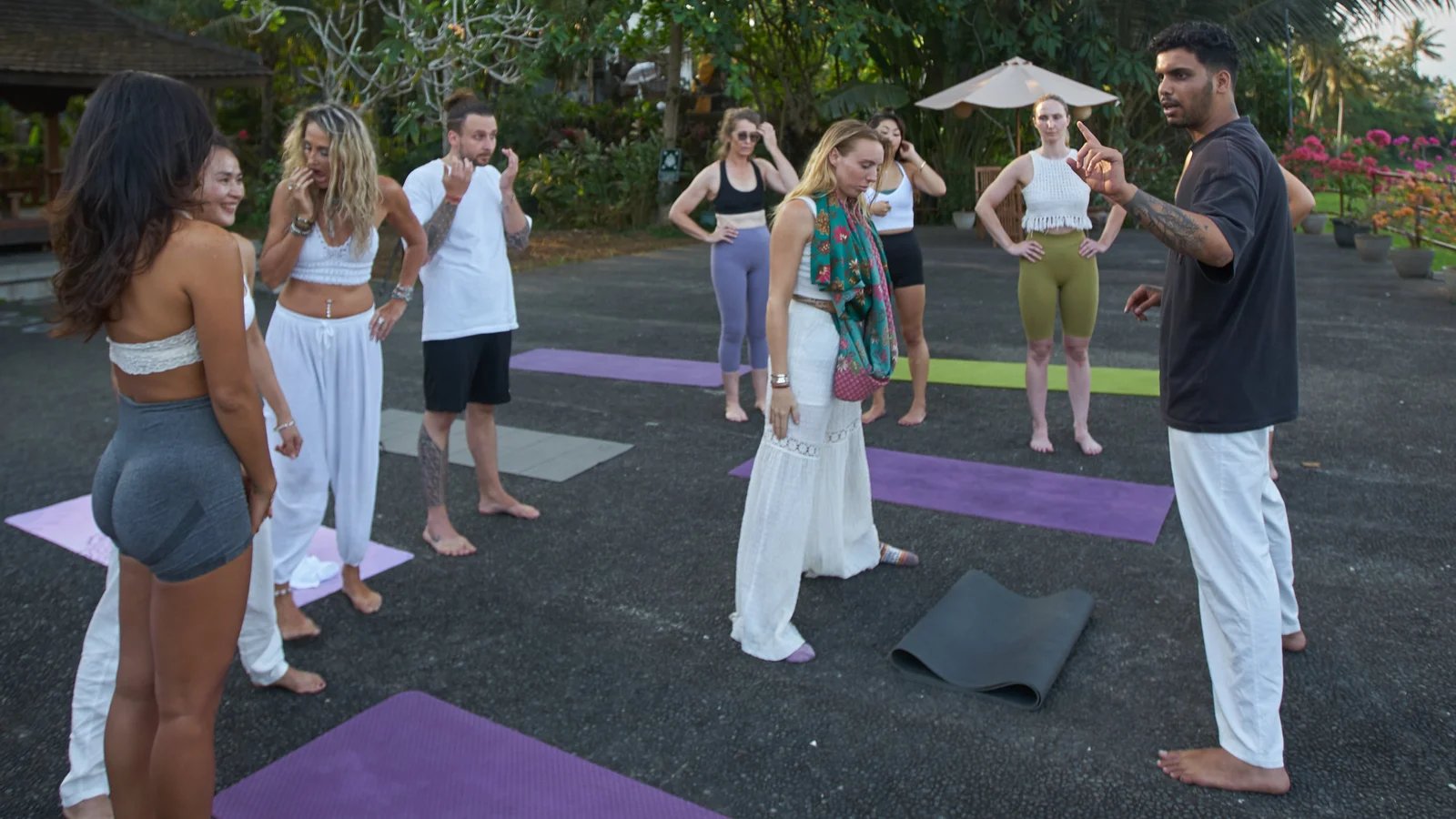
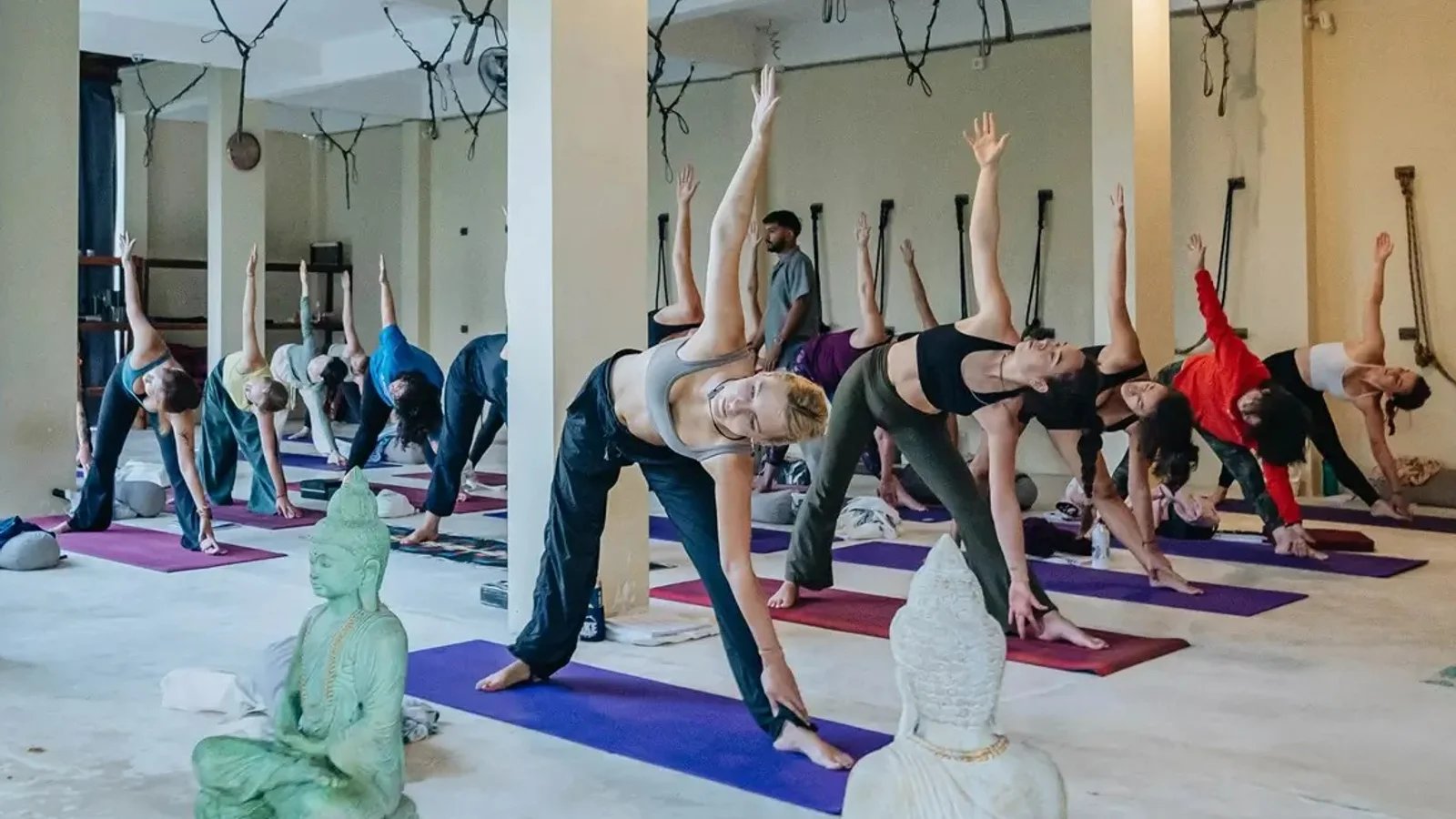
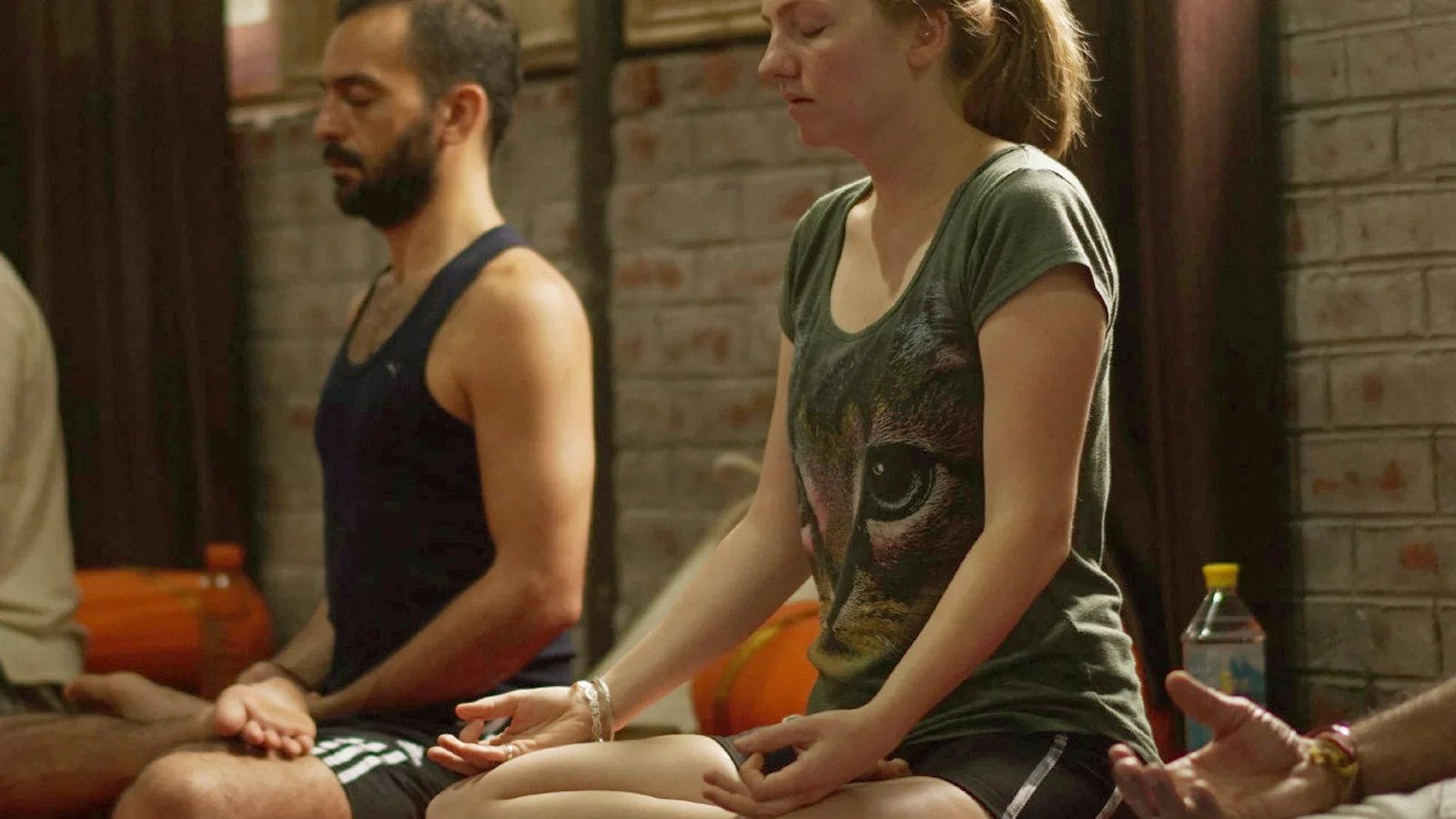
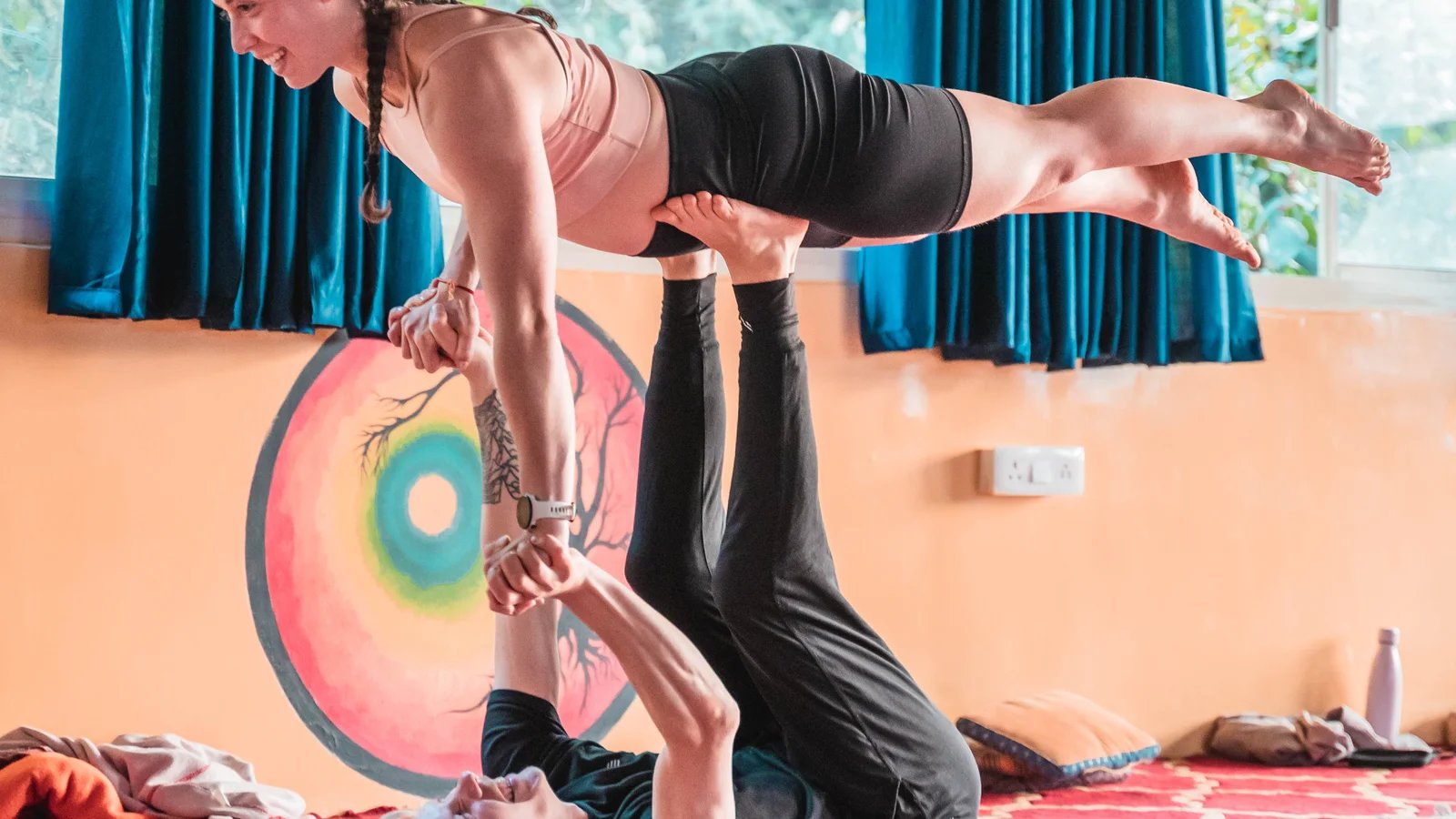
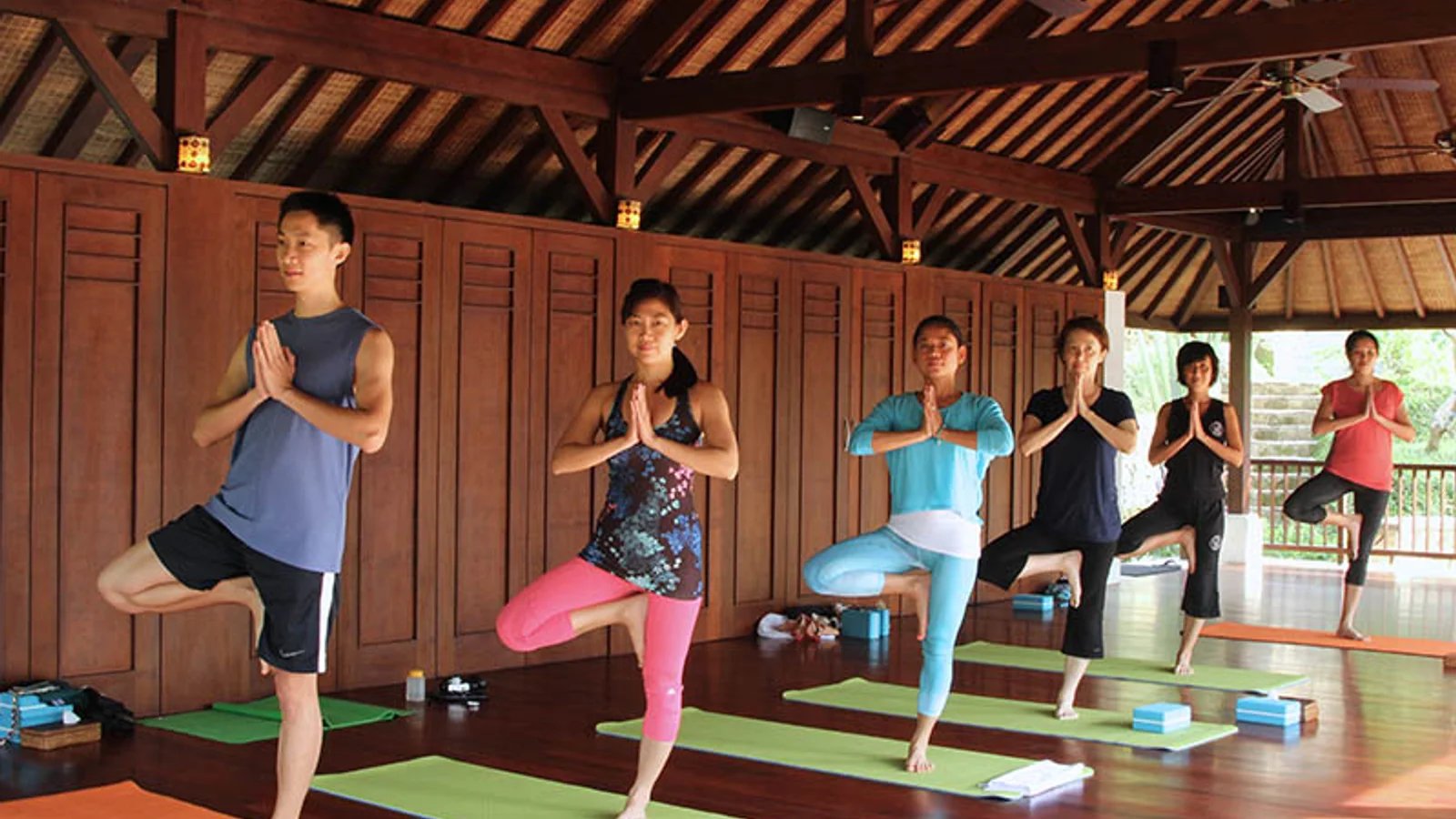
"Immersive Yoga Teacher Training in Indonesia"
Program Overview
For those who have completed 200-hour yoga teacher training and want to advance their education and teaching skills, the 300-hour yoga teacher training in Bali is an excellent option. This yoga training program is designed to deepen your understanding of yoga philosophy, anatomy, and teaching methodology, and develop your personal practice.


Highlights
- Certificate of completion
- Advanced sequencing and class design
- Hands-on adjustments and verbal cueing
- Deeper yoga philosophy and sacred texts
- Functional anatomy and therapeutic yoga
- Personal teaching practicum and mentorship
- Community of experienced practitioners
- 24 nights accommodation with daily meals
At a glance
Yoga styles
Check-in Time: 12:00
Check-out Time: 11:55
Facilities
At Bali Yoga Retreats, they offer comfortable and peaceful accommodations to make your stay relaxing. The rooms are designed to provide a calm environment, perfect for rest and meditation. You can enjoy our clean and hygienic rooms, where you can recharge your body and mind after a day of yoga and workshops. Every detail is arranged in keeping with students’ comfort and safety in mind, so your stay will feel like a home to you. Proper ventilation in the room is available so that you can enjoy the fresh air all the time.
A team of experienced yoga teachers will guide you through advanced asana, pranayama, and meditation practices. You'll also explore topics such as sequencing, hands-on adjustments, and yoga philosophy. The 300-hour yoga teacher training in Bali also includes opportunities for teaching practice and feedback sessions to develop your teaching skills. During your stay in Bali, you'll have the opportunity to enjoy daily yoga classes, workshops, and excursions to explore the island. You'll stay in comfortable accommodation and enjoy delicious vegetarian meals that support your yoga practice.
Why choose the 300-hour yoga teacher training course?
Bonus 50-hour Yin yoga module included
This course thoughtfully includes a complete 50-hour Yin yoga certificate within the 300-hour journey. You will explore long-held floor postures, meridian theory, and quiet inner awareness - finishing the program with two separate certificates and a much deeper personal practice.
Advanced sequencing and class design
Move beyond following a class to crafting your own. You will learn how to design intelligent sequences with clear peak postures, thoughtful counterposes and seamless transitions - so every class you offer feels purposeful, balanced and safe for the students who arrive at your mat.
Hands-on adjustments and verbal cueing
Refine the subtle art of guiding students with touch and language. Practical sessions teach safe, consent-based adjustments and clear verbal cues, helping you support each practitioner where they are without taking them out of their own inner experience.
Deeper yoga philosophy and sacred texts
Step softly into the wisdom behind the practice. You study Patanjali's Yoga Sutras, the Bhagavad Gita and key Upanishadic ideas in a simple, conversational way - so ancient teachings become living guidance for your modern life and for the students you will one day teach.
Functional anatomy and therapeutic yoga
Build on your foundational anatomy with a deeper look at fascia, joint mechanics and common imbalances. You will learn gentle therapeutic adjustments for the back, hips and shoulders, and how to offer kind modifications that protect students of varied ages and abilities.
Personal teaching practicum and mentorship
Real growth happens when you teach. You will lead full classes, receive caring feedback from senior teachers, and slowly refine your voice as an instructor. By the end of the course, your own teaching style emerges - grounded, gentle, and authentic to you.
Community of experienced practitioners
Your fellow trainees already hold a 200-hour foundation, so conversations open deeply from week one. Living and learning beside committed practitioners from around the world adds an honest richness and quiet inspiration that shapes you as a teacher and as a human being.
Who can join this course?
- If you are new to yoga (No specific background of yoga is required, being eager to learn is enough)
- If you have been practicing yoga for a while, the 300-hour yoga teacher training in Bali is open to you.
- If you have been practicing yoga for a long time but don’t have knowledge of anatomy, the foundation of the asanas, and yoga philosophy
- Don’t want to be a yoga teacher but desire to deepen your own yoga practice and knowledge. Then the 300-hour yoga teacher training in Bali can be the right opportunity to grow, learn, and expand your understanding of yoga.
Preparation tips before you begin the course
To join a 300-hour yoga teacher training in Bali, you must first complete a 200-hour yoga teacher training. The 300-hour program expands your understanding and experience of yoga by building on what you’ve already learned. Come with an open heart and with a learning attitude to get the most benefit from this lovely experience. In order to prepare in advance, continue practicing your beginner yoga poses and breathing exercises, as well as meditation. Wear loose clothing so that you can easily move around, and consider bringing a journal to jot down your thoughts and progress. Hydrate, eat simple food and healthy meals, and rest so you can be fresh for your daily classes. Be prepared to meet new people, listen to your teachers, and make the most of it
Join Bali yoga retreats family and experience the endless joy of discovering your true self and this life-transformative journey.
Syllabus
Alignment and adjustment
Standing postures
- Samasthiti
- Sun salutation (A and B)
- Padangusthasana
- Pada hastasana
- Utthita Trikonasana
- Parivritta Trikonasana
- Utthita Parshvakonasana
- Parivritta Parshvakonasana
- Prasarita Padottanasana (A, B, C, and D)
- Parshvottanasana
Intermediate postures
- Pashasana
- Krounchasana
- Shalabhasana A, B
- Bhekasana
- Dhanurasana
- Parsva Dhanurasana
- Ustrasana
- Laghu Vajrasana
- Kapotasana
- Supta Vajrasana
- Bakasana
- Bharadvajasana
- Ardha Matsyendraasana
- Ekapada Sirsasana A, B, and C
- Dwipada Sirsasana B
- Yoga nidrasana
- Tittibhasana A, B, and C
- Pincha Mayurasana
- Karandavasana
- Mayurasana
- Nakrasana
- Vatayanasana
- Parighasana
- Gomukhasana A, B, and C
- Supta Urdhvapada Vajrasana A and B
- Mukta Hasta Sirsasana A, B, and C
- Baddha Hasta Sirsasana A, B, C, and D
- Urdhva Dhanurasana
- Drop back to Urdhva Dhanurasana
- Paschimattanasana
Finishing postures
- Salamba Sarvangasana
- Halasana
- Karnapidasana
- Urdhva Padmasana
- Pindasana
- Matsyasana
- Uttana Padasana
- Shirshasana
- Baddha Padmasana
- Yoga Mudra
- Padmasana
- Uth Pluthi (Tolasana)
- Shavasana
Ayurveda
Yoga and Ayurveda complement each other as a science, and the potential benefits of adding Ayurveda into yoga should not be ignored. Ayurveda is about proper health management and a science of self-healing that all yoga teachers need to understand in order to upskill students. They provide one Ayurveda workshop from their in-house doctor. Here is what you will learn in the Ayurveda class.
Basic principles and introduction of Ayurveda
- Fundamentals of Ayurveda
- Tridosha concept (vata, pitta, and kapha)
- Prakriti- know your constitution
- Pancha mahabhuta concept
- Prakriti (body constitution)
- Vikurti
- Sapta dhatu (body elements)
- Mala (waste products)
- Srotas (body channels)
- Agni (digestive fire)
- Koshta (alimentary tract)
- Ama (metabolic toxins)
Bandha (energy lock)
There are three types of Bandhas and are taught diversely according to the level of the student. In 200 hours you have learnt the basics and here in 300-hour TTC in Bali you will acquire the knowledge to elevate the practice and the technique to stimulate your concealed energy.
Here is what you will learn:
- Energy lock and kundalini awakening
- How bandha practice assists in terminating the tension on the prana shakti
- Unblock your system, allowing graceful flow of energy through bandha
- Unlocking the 3 knots, brahma, vishnu and shiva
- Outcome of the practice
- Precautions
- Health and spiritual benefits
Practices (beginners and intermediate level)
- Advanced level agnisar kriya
- Advancing the power of internal retention
- Advancing the power of external retention
- Ashwini mudra to prepare for mulabandha
- Vajroli mudra to practice malabandha
- Mulabandha
- Uddiyana bandha
- Jalandhara bandha
- Maha bandha
Classical dance
They introduce classical dance to their students because it is absolutely a yoga practice. Here they teach you the Ganesha Vandana Classical Dance, whereby they do bhangi, which means you dance in such a way that you represent Ganesha in some of your gestures. You will feel yourself divine, and your mood changes completely by simply watching. This is the first time that we have included dance in the yoga curriculum, and students are stimulated by the moves, and they are sure that they will be taken aback by it.
Because of the mind and body concept of yoga, classical dance provides the harmony for this concept and further introduces another exciting concept. Subject matter is as follows:
- Proper concentration
- Mudra
- Conscious movement
- Awareness of emotions
- Eye movements
- Mantra
- Music
Sadhna
In this module, you will learn how to cultivate a disciplined personal practice that deepens your connection to yoga. You will explore advanced asanas, pranayama techniques, meditation, and mindfulness practices. By the end of this module, you will be able to develop your own sadhana, enhance your focus, balance your energy, and guide others with authenticity. Every Thursday morning, the yoga sadhana.
The lessons:
- Asana
- Pranayama
- Meditation
- Puja
Hatha yoga
The primary objectives of Hatha Yoga are:
- Instill a high level of health and promote longevity
- Strengthen and quiet the mind
- Awaken the kundalini
Initially, the basics will be taught so that the body can adjust for the advanced level. Once you gain confidence to hold the posture for longer periods, then progress with fluidity, which appears almost like a dancing motion. Many of the classical postures are only the same in name but are of different levels of practice. The teachers are close at hand to assist in the performance of the proper alignment.
Listed below are the asana series that will be practiced:
- Joints and glands exercises foundation practices
- Joints and glands exercises advanced practices
- Centering postures series
- Sun salutation
- Chakra awareness and flow yoga
- Moon salutation
- Standing intermediate and advanced postures series
- Kneeling postures series
- Sitting postures series
- Forward bending postures series
- Backward bending postures series
- Supine postures series
- Prone postures series
- Fire series
- Inversions series
- Twisting postures series
- Balancing postures series
- Relaxing posture series
- Meditative asana series
Philosophy of Hatha yoga
Philosophy of Hatha yoga will really change your concept of Yoga. It is much more than physical exercise and movement. This subject matter covers the following in depth:
- Philosophy of sun salutation
- Philosophy behind each yoga asana
- Hatha yoga and kundalini awakening
- Asana and yoga sadhana
- Benefits of asana practices
- Rules and regulations
- Advancing your yoga poses
Ashtanga yoga
Standing postures
- Samasthiti
- Sun salutation (A and B)
- Padangusthasana
- Pada hastasana
- Utthita Trikonasana
- Parivritta Trikonasana
- Utthita Parshvakonasana
- Parivritta Parshvakonasana
- Prasarita Padottanasana (A, B, C, and D)
- Parshvottanasana
Intermediate postures
- Pashasana
- Krounchasana
- Shalabhasana A and B
- Bhekasana
- Dhanurasana
- Parsva Dhanurasana
- Ustrasana
- Laghu Vajrasana
- Kapotasana
- Supta Vajrasana
- Bakasana
- Bharadvajasana
- Ardha Matsyendraasana
- Ekapada Sirsasana A, B, and C
- Dwipada Sirsasana B
- Yoga nidrasana
- Tittibhasana A, B, and C
- Pincha Mayurasana
- Karandavasana
- Mayurasana
- Nakrasana
- Vatayanasana
- Parighasana
- Gomukhasana A, B, and C
- Supta Urdhvapada Vajrasana A and B
- Mukta Hasta Sirsasana A, B, and C
- Baddha Hasta Sirsasana A, B, C, and D
- Urdhva Dhanurasana
- Drop back to Urdhva Dhanurasana
- Paschimattanasana
Finishing postures
- Salamba Sarvangasana
- Halasana
- Karnapidasana
- Urdhva Padmasana
- Pindasana
- Matsyasana
- Uttana Padasana
- Shirshasana
- Baddha Padmasana
- Yoga Mudra
- Padmasana
- Uth Pluthi (Tolasana)
- Shavasana
Mantra
Sanskrit syllable
- 58 syllables and their power of vibration
- How mantra vibrates in chakras
- Each chakra has its own vibration
Healing mantras
- Mantras for physical healing
- Mantras for mental healing
- Mantras for emotional healing
- Mantras for spiritual healing
Mantras for planetary disorders
- Mantra for sun
- Mantra for moon
- Mantra for Saturn
- Mantra for vrihaspti/guru
- Mantra for Mangala
Mantra for healing different diseases
- Mantra for cancer
- Mantra for HBP
- Mantra for heart problem
- Mantra in pregnancy
- Mantra for stress relief
- Mantra for concentration
Mantra healing for all planets
- Sun -“om hring hraung suryay namah
- Chandra (moon)- “om aing kling somay namah”
- Mangala mantra - “om hung shring bhaumay namah”
- Budha mantra - “om aing shring shring budhay namah”
- Brihaspati guru mantra - “om hring cling hung brihsptye namah”
- Shukra mantra“om hring shring shukray namah”
- Shani mantra“om aing hring shring shanaishchray namah”
- Rahu mantra “om aing hring rahave namah”
- Ketu mantra“om hring aing ketave namah”
Mantra diksha
There will be an initiation ceremony to the yoga tradition on the first day of the course. After taking a shower, every students have to dress white and join the opening ceremony. The pandit ji and guru ji himself take you through the amazing experience. Gayatri initiation with the energy transmission called shaktipat will be given. From today, one feels deeply connected to the yoga tradition. It is said that without that transmission one is not eligible to get the higher knowledge on yoga.
At this time what will be done?
- Worship to Mother Earth
- Worship to Ganesha to remove obstacles
- Fire ceremony
- Arati
- Music
- Kirtan
- Gayatri diksha
- Guru mantra
- Distribution of books and teaching materials
Chakras
- Muladhara
- Swadhistana
- Manipura
- Anahata
- Visuddha
- Ajna
- Sahasrara
Meditation (Dhyana)
In this 300-hour YTTC journey, your meditation becomes effortless, natural, and it becomes a part of your daily life. The progress into deeper meditation frees you from the desires and ignorance which are the undoing of the human race. Students are taught the advanced techniques of meditation by which one can master one's true Self.
Meditation timetable
- Strengthening the foundation of meditation
- Intensifying the focus and mindfulness
- Advancing meditation techniques
- Awareness and kundalini meditation
Content
- What is mind and its role in meditation?
- Nature of mind and why it is restless?
- Meditation is pratiprasava- reverse journey
- Brain waves in meditation
- Importance of music in meditation
- Emotional purification meditation
- Meditation and past life healing
- How to attain samadhi in meditation
- Kirtan Dhyan
- Mantra Japa
- Silence practice
Himalayan meditation practices
- Basics foundation meditation practice
- Breath- mind- mantra awareness
- Tratak meditation
Nada meditation practices
- Music meditation
- Om meditation
- Mantra power meditation
Active meditation practices
- Dynamic moving meditation (Osho)
- Buddha walking meditation
- Karma yoga meditation
- Gaurishankar meditation
Tantra and Kundalini meditation practices
- 7 chakra awareness meditation
- Ajna chakra awakening meditation
- Kundalini active meditation
Vipassana and passive meditation practices
- Breath awareness (anapana)
- Mindfulness and sensation
- Total awareness practice
Mudra
Mudras are very important to uplift our energy easily. Advanced students should learn some secrets to awaken Kundalini Shakti also. Here in this 300-hour YTTC, you are going to learn some traditional mudras for energy awakening.
- Shambhavi mudra
Hast mudra
- Yoni mudra
- Linga mudra
- Bhairava mudra
- Bhairavi mudra
- Energy mudra
- Viparita karnai mudra
- Mahabandha mudra
- Mahabheda mudra
Kundalini mudra
- Ashwini mudra
- Vajroli mudra
- Sahajoli mudra
Pranayama
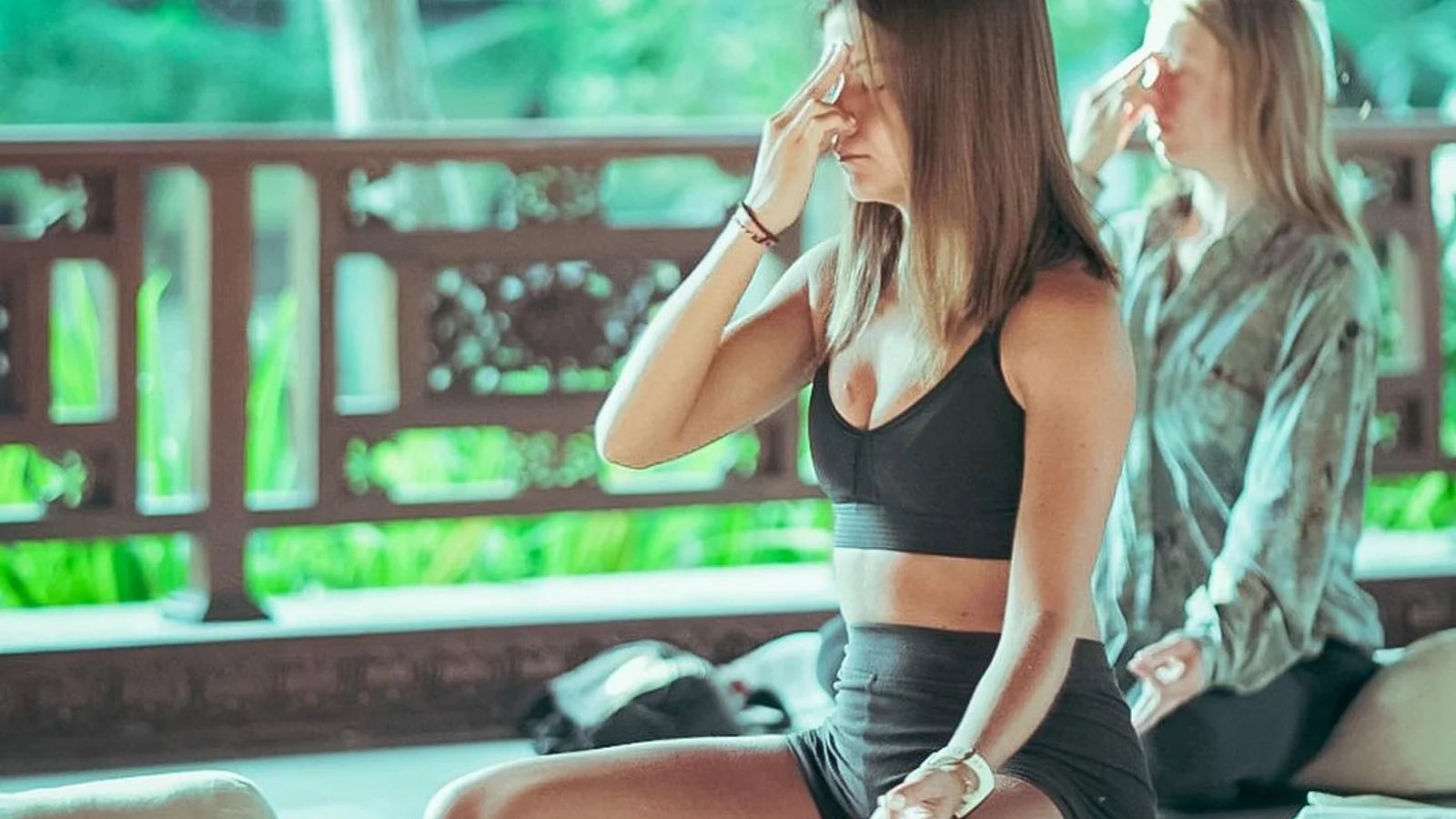
In the 300-hour yoga teacher training in Bali, you will learn advanced pranayama techniques that help you balance your energy, deepen your awareness, and calm your mind. They will guide you through powerful breathwork practices designed to support physical and mental healing, increase vitality, and enhance emotional stability. Throughout the course, you will gain practical skills to safely guide others in pranayama, helping them experience its transformative effects. By the end of the training, you will have a profound understanding of the power of breath, allowing you to elevate both your personal practice and your teaching abilities.
Weekly stages of experience.
- Moving towards advancement of your pranayama practices
- Variations and experiment
- Breathing for awakening nadis and chakras
- Teaching practices and mastery of breathing
Discussion for study of pranayama:
- Pranayama- link of happiness
- Physiology of prana
- Elements in nature of prana
- Prana body types
- Astrology of breathing science
- Prana and its routes
- How prana flows in the body
- Relationship between prana and consciousness
- Number of breaths you take
- Research on prana - to obtain favorable outcome
- Health parameter with breath length
- Guidelines and discipline of pranayama
Intermediate and advanced practices of pranayama
- Upper chest, middle chest, and diaphragmatic pranayama
- Full-body yogic pranayama and om chant (pranava)
- Nadisodhana, bhastrika, kapalbhati, and bhramari pranayama
- Ujjayi, sitali, sitkari, and murcha pranayama
- Surya bhedi and chandra bhedi pranayama
Satsung and silence
In this 300-hour YTTC, pranayama is taught at a more sensitive and advanced level to experience the deeper powers of your prana. You will learn how pranayama can be used to heal body and mind. So that at the end of the course you will have acquired skills to educate others.
Weekly stages of experience
- Moving towards advancement of your pranayama practices
- Variations and experiment
- Breathing for awakening nadis and chakras
- Teaching practices and mastery of breathing
Discussion for study of pranayama
- Pranayama and its link to happiness
- Physiology and flow of prana in the body
- Elements and body types of pranali
- Astrology and scientific aspects of breathing
- Astrology of breathing science
- Relationship between prana and consciousness
- Breath count, length, and health parameters
- Research, guidelines, and discipline in pranayama
Intermediate and advanced practices of pranayama
- Upper chest -clavicular pranayama
- Middle chest - thoracic pranayama
- Koshtiya - diaphragmatic pranayama
- Full body yogic pranayama
- Om chant pranava pranayama
- Nadisodhanam pranayama
- Bhastrika pranayama
- Kapalbhati pranayama
- Bhramari pranayama
- Ujjayi pranayama
- Sitali pranayama
- Sitkari pranayama
- Murcha pranayama
- Surya bhedi pranayama
- Chandra bhedi pranayama
Anatomy and physiology
Yoga anatomy is one of the most important subjects for yoga teachers, as a yogi has to know what his body is doing while practicing yoga, as well as knowing the limitations of the body. Students are familiarized with the two types of Yoga namely physical and spiritual.
Physical anatomy
- The supply of prana to the respiratory system
- Function of cells
- Digestive system
- Circulatory system
- Yoga and physical transformation
- Hormone secretion in yoga
- Effects of pranayama in the respiratory system
- Effects of yoga practice and nauli in digestive system
- Muscular and skeletal system with advance postures
- Therapeutic applications of yoga postures and how to avoid injury in asana class
- Anatomy of pelvic girdle and spine
Spiritual anatomy
- Advanced details regarding the energy channel
- Anatomy of muladhara chakra
- Anatomy of swadhisthana chakra
- Anatomy of manipura chakra
- Anatomy of anahata chakra
- Anatomy of visuddhi chakra
- Anatomy of ajna chakra
- Anatomy of sahasrara chakra
- Chakras
- Kundalini
- Panchakosha
Yoga kriya and cleaning
Practicing satkarma regularly prepares you to understand your inner being and purification. By removing the physical, mental, and emotional veil you enter into your real self. That is why satkarma is very important to practice. In this advanced course, part of the 300-hour yoga teacher training in Bali, students are taught advanced satkarma that demands expert guidance and care.
- Understanding the 11 major systems
- Why purification of the body is necessary
- Is it satkarma or satkriya
- What does the scriptures of hatha yoga pradipika say
- What does Gheranda Muni say
- Precautions
Practices that you will learn
- Jiwa dhauti
- Data-dhauti
- Rubber-net
- Jalaneti
- Kapalbhati
- Agnisara
Yoga Nidra
Yoga Nidra is a unique practice in that you are completely aware of your subtle body, although you are in an entirely different world, and your awareness demonstrates to you that you are not only a physical body. Advanced techniques of Yoga Nidra gives you unbelievable experiences like; body ascending, body warming, chakra vibration and so on. But that is not the real reason; the real purpose of Yoga Nidra is to master our sleep and to reach the higher state of consciousness.
Practices include
- Antar mauna yoga Nidra (inner silence)
- 61 point blue star yoga Nidra
- Subtle body yoga Nidra
- Chakra awareness yoga Nidra
You will also study the basics of yoga Nidra
- Sleep awareness
- Awareness of subtle body
- A journey from conscious to superconscious
- Yoga Nidra therapy
- Is yoga nidra a healing practice?
- Why is sleep called yoga here?
- Transforming new habit patterns
- Transforming personality through yoga Nidra
- Learn language through yoga Nidra
Yoga philosophy
Yoga philosophy in this 300-hour yoga teacher in Bali is much more innovative than the 300-hour where you had some preparatory grounding of yoga in reality. This course takes you into a much more intense awareness of your soul and Samadhi. It will make you even more proficient in realizing the Self. This subject matter also includes; Yoga Sutra, Advaita Vedanta and Tantra Philosophy that enables you to grasp how Yoga is explained in the diverse scriptures.
Entering the world of enlightenment (Yoga Samadhi)
- What is yoga and samadhi
- How can you be in the present moment to achieve samadhi
- Yoga discipline
- Different states of mind
- How to control the mind
- Why samadhi
- What if we are not in samadhi
- Controlling right knowledge, wrong knowledge, imagination, sleep & memory
- The benefit of practice and non-attachment
- How to master self-practice
- Two kinds of samadhi
- Know about a yogi who is born with yoga and a bodiless yogi
- Different ways to achieve samadhi
- What is god and why his name is Om
- Obstacles of yoga
- Experience of highest samadhi
Original practice of yoga (yoga sadhana)
- How to do tapasya (intense practice of yoga)
- How to do swadhyaya (self-analysis, self-discovery)
- How to do self-surrender/surrender to divine
- Kriya yoga - why
- What is ignorance and emotional attachment
- How to lessen your pain
- How your past life influences your pain and pleasure
- What is pleasure and pain (sukha and dukha)
- How pain lives with you and how it generates and vanishes
- Clear perception, right action, stability, control of sense organs, and experience of self are the source of liberation
- How to achieve total withdrawal and separation of mundane psychology
- Viveka khyati – insight discrimination
- Eight limbs of yoga
Miracles and gift of yoga (yoga vibhuti)
- What is concentration?
- What is meditation?
- What is samadhi?
- External and internal yoga
- How can a yogi know the past and future
- How can you understand the language of animals
- How can one know about the past life
- How a yogi makes their body invisible
- How yogis receive the knowledge of the entire cosmos
- How cessation of hunger and thirst is achieved
- How to acquire complete stillness
- How can you see celestial beings
- How the flash of illumination happens
- How can one know the mind
- Siddhis are helpful or a hindrance for sadhana
- How can one enter another’s body
- How can a yogi walk on thorns and water
- How can we achieve the divine sense of hearing
- How can one make the body as light as cotton wool that can soar in the sky
- Achieving glorification and indestructibility of the bodily qualities
Yoga therapy
Yoga Therapy uses yoga practices to support physical, mental, and emotional well-being. It helps manage stress, improve flexibility, and promote overall health through tailored techniques.
- Head and neck disease
- Headache
- Thyroid
- Heart and circulatory problems
- Disorder of the respiratory system
- The common cold
- Asthma
Evaluation and certification
Yoga is not just an academic education, but it is a life education. To qualify for this advanced 300-hour training program, the following criteria have to be achieved:
- The student has to be certified in the 300-hour training program with a certified Yoga school
- As this is an advanced course, the student has to be present for all lectures
- All written assignments has to be submitted timeously
- Conduct a full Yoga session to the class
- A pass mark to be achieved in the exam at the end of the course
Discover the yoga styles you will learn
The 300-hour yoga teacher training in Bali is a transformative program designed for dedicated practitioners and aspiring teachers who wish to deepen their practice, expand their knowledge, and refine their teaching skills. Set in the serene surroundings of Bali, this training combines ancient yogic wisdom, meditation, philosophy, and practical teaching methods to create a holistic and life-changing experience.
- Hatha yoga
Experience the gentle yet profound practice of Hatha yoga. With slow, mindful movements and deep stretching, Hatha enhances flexibility, balance, and body awareness while teaching the fundamentals of alignment and breath control.
- Vinyasa yoga
Flow through dynamic sequences that connect breath with movement. Vinyasa Yoga builds strength, coordination, and endurance, while promoting grace, fluidity, and cardiovascular fitness.
- Ashtanga yoga
Engage in structured, energetic sequences designed to improve stamina, focus, and discipline. Ashtanga Yoga fosters both physical strength and mental clarity, perfect for committed practitioners seeking a challenge.
- Yin yoga
Slow and meditative, Yin yoga targets deep connective tissues and joints. Long-held poses encourage introspection, patience, and a profound sense of inner stillness.
- Restorative yoga
Relax, heal, and rejuvenate with gentle, supported poses. Restorative Yoga balances energy, reduces stress, and nurtures the mind and body, providing essential recovery for both personal practice and teaching.
- Specialized modules
In addition to these core styles, the training includes workshops in pranayama (breath control), meditation, yoga anatomy, and teaching methodology, ensuring you gain comprehensive knowledge and skills for advanced teaching and personal growth.
Daily schedule
The program follows a tight schedule where almost every one of the 6 to 7 training hours in the day is assigned to some aspect of yoga. You could find the training intensive but enlightening. Depending on the yoga school, the mornings can begin as early as 05:30 with meditation followed by some yoga postures, and maybe some classes or lectures in philosophy or anatomy. Chanting and pranayama are also part of the schedule. During training, you are provided with two to three nutritious vegetarian meals, fruit refreshments, and green tea. Daily written homework is also the norm, as that is how you gain in-depth knowledge of the subject. Sleeping early is encouraged as that is part of yogic practice.
- 05:00 Wake up
- 05:30 - 06:30 Silent meditation
- 06:30 - 08:00 Hatha yoga
- 08:00 - 08:15 Shatkarma/yoga cleansing
- 08:15 - 09:15 Pranayama/bandha/mudra
- 09:15 Breakfast
- 10:30 - 11:30 Self-study
- 11:30 Yoga philosophy
- 12:30 Yoga anatomy
- 13:30 - 14:30 Lunch
- 15:30 - 16:30 Self-practice/practice teaching
- 16:30 - 18:00 Vinyasa yoga/yin
- 18:00 Hatha/Ashtanga yoga asana
- 18:00 - 18:30 Shower
- 18:30 - 19:00 Dinner
- 19:00 - 19:30 Digestive and silent meditative walk
- 19:45 - 21:00 Satsang/evening cultural program/self-study
- 22:00 Lights out
Immerse yourself in divine moments that touch the soul.
- Balinese cooking class in Ubud
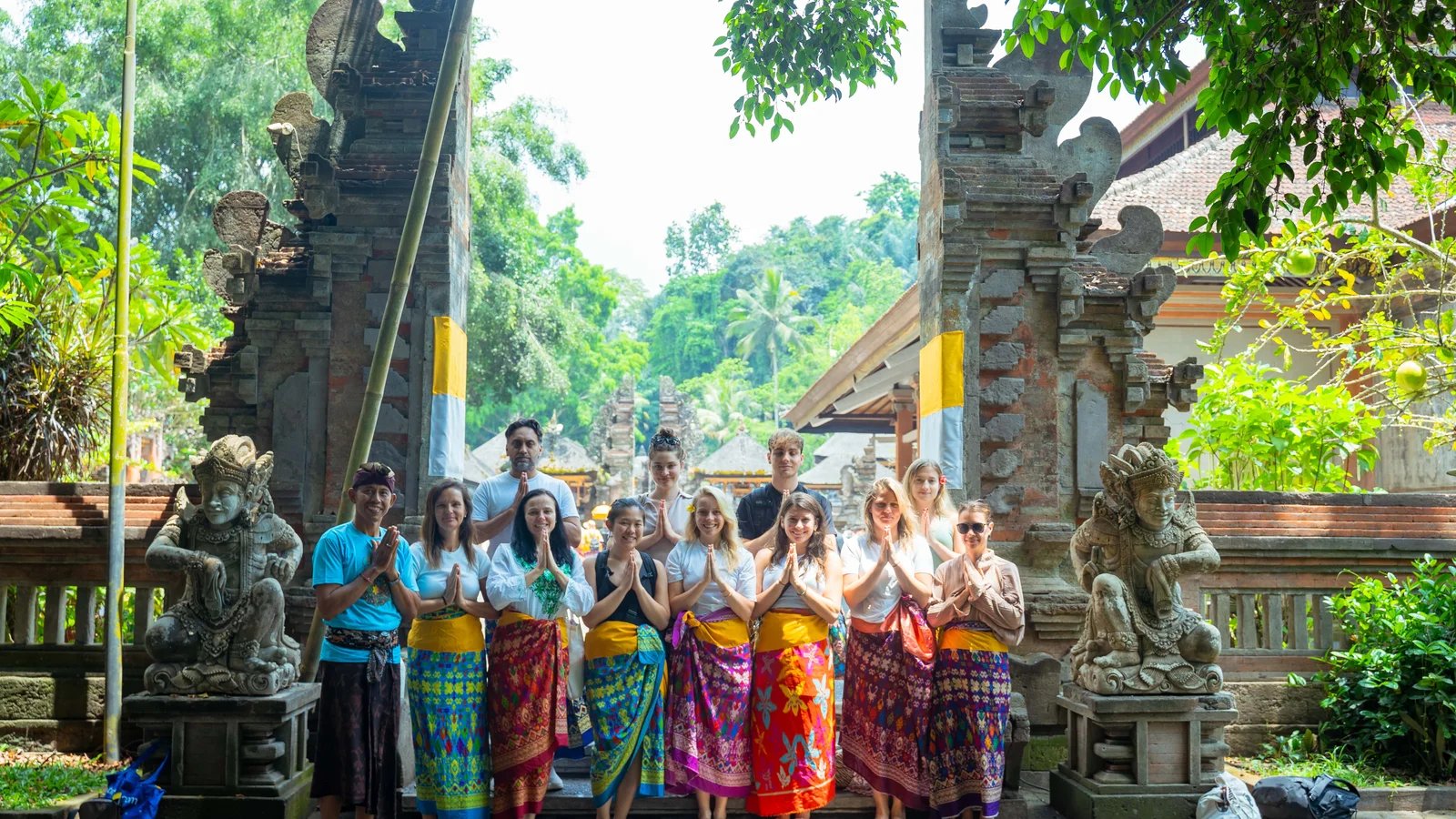
- Tirta Empul Holy Temple
- Sacred Monkey Forest walk
- Bali Beach excursion
This Yoga Retreat is vegetarian-friendly
Cleansing and wholesome nutrition for your practiceSamadhi Yoga Ashram serves delicious vegetarian food. According to the needs of their students, they also serve gluten-free and vegan food. However, if you have any specific conditions such as food allergies, etc., they will be happy to prepare special food for you. Their food is prepared lovingly and spiritually to ensure that most benefit from the food. Fresh ingredients, organic vegetables, and fruit are used wherever possible. 3 meals are served a day: breakfast, lunch, and dinner. The food menu is prepared by taking into consideration a balanced nutritional diet.
The following meals are included:
- Breakfast
- Lunch
- Dinner
- Drinks
The following drinks are included:
- Water
- Tea
- Detox juices
The following dietary requirement(s) are served and/or catered for:
- Vegetarian
- Vegan
- Gluten Free
- Yogic
If you have special dietary requirements it's a good idea to communicate it to the organizer when making a reservation.
- Spa and wellness treatments
- Balinese massage and healing therapies
- Private yoga or meditation sessions
- Surfing lessons at nearby beaches
- Visit to Ubud Monkey Forest and local markets
- Rice terrace tours and guided nature walks
- Ayurvedic consultations and treatments
- Sound healing and additional workshops
- Taxi or scooter rental for local exploration
- Café hopping and exploring Bali’s food scene
- Certificate of completion
- Outdoor yoga class
- Weekend excursions
- Advanced anatomy and adjustment workshops
- Kirtan session (optional)
- Balinese culture experience
- Online pre-recorded preparatory course videos after booking
- 24 nights accommodation
- 3 daily nutritious meals
- Yoga props
- Towels and bed sheets
- Airfare
- Airport transfers
- Medical expenses
- Insurance
- Ayurveda consultation
- Visa
- Panchkarma
- Toiletries
- AC / Room Heater (USD 150 per month)
Beautiful and serene location in Rishikesh, carefully chosen to provide the perfect setting for your yoga journey.
Recommended Airports
Arrival by airplane
The Bali Yoga Teacher Training location is easily accessible through Ngurah Rai International Airport (Denpasar), which is the main entry point for international and domestic travelers.
Upon arrival at the airport, guests can take a pre-booked taxi, ride-hailing service, or private transfer to reach the retreat location. Detailed arrival instructions and exact pickup location will be shared after booking confirmation
It is recommended to arrive at least one day before the training start date to settle in and adjust to the new environment. Local assistance is available to help with airport transfers and a smooth check-in process.
Bali is a well-connected destination, and the journey to the retreat is simple and comfortable with proper guidance provided in advance.
Additional charges may apply. You can request this in the next step.
A reservation requires a deposit of 30% of the total price. The deposit is non-refundable, if the booking is cancelled. The rest of the payment should be paid on arrival.
- A reservation requires a deposit of 15% of the total price.
- The deposit is non-refundable, if the booking is cancelled.
- The rest of the payment should be paid on arrival.
Guest reviews
No reviews yet — be the first to share your experience.
Similar Retreats You Might Love
Explore other transformative experiences in India
3-Day Yoga and Meditation Retreat in Rishikesh, India
7 Day Riverside Yoga Retreat in Rishikesh with Daily Meditation & Ayurveda

5 Day Riverside Yoga Retreat in Rishikesh with Daily Meditation
