
25 Days 200 - Hour Yoga Teacher Training Multi - Style (Hatha - Ashtanga) With Ayurveda Therapy in India




"Yoga Teacher Training Course in India"
Program Overview
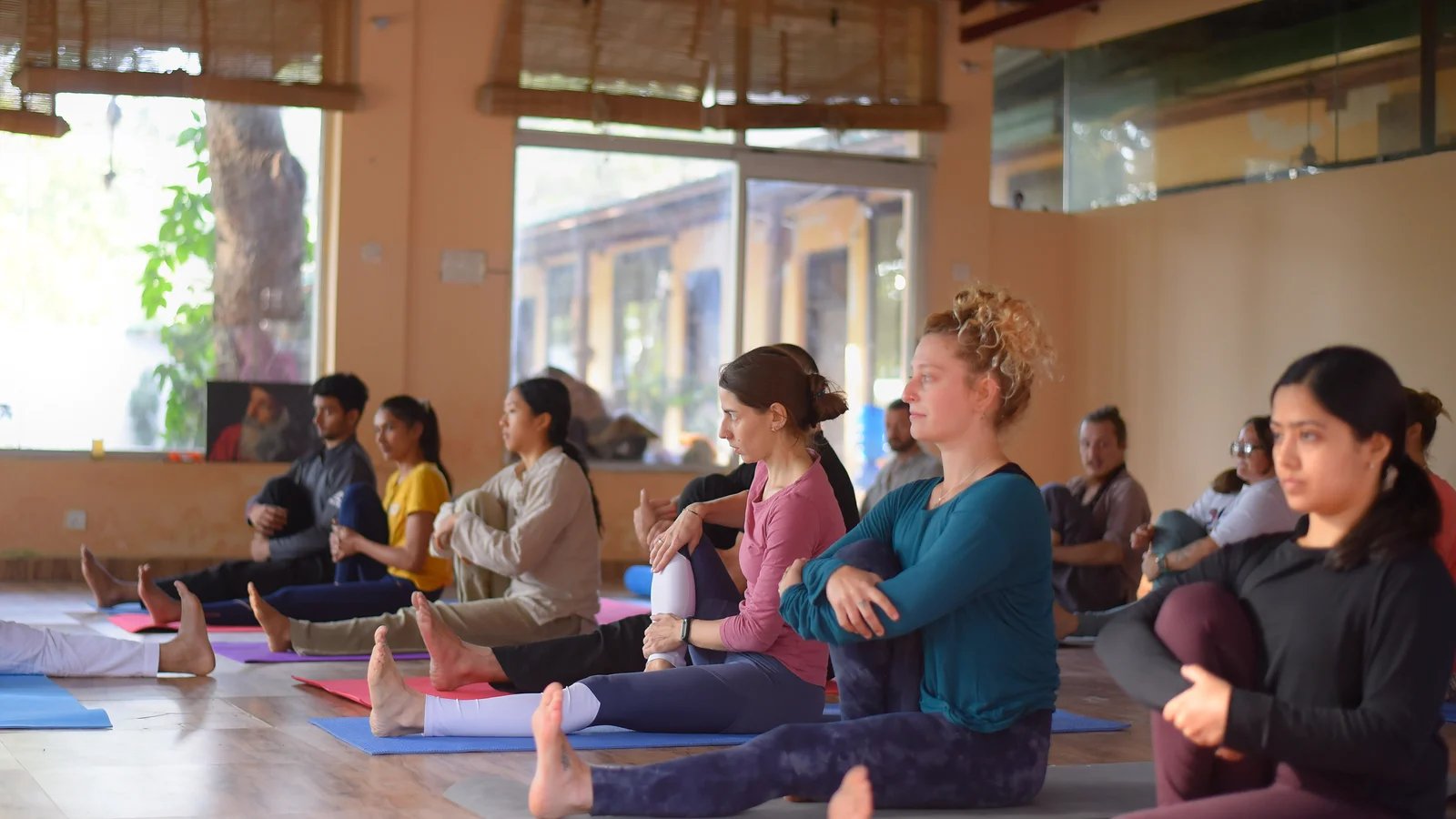
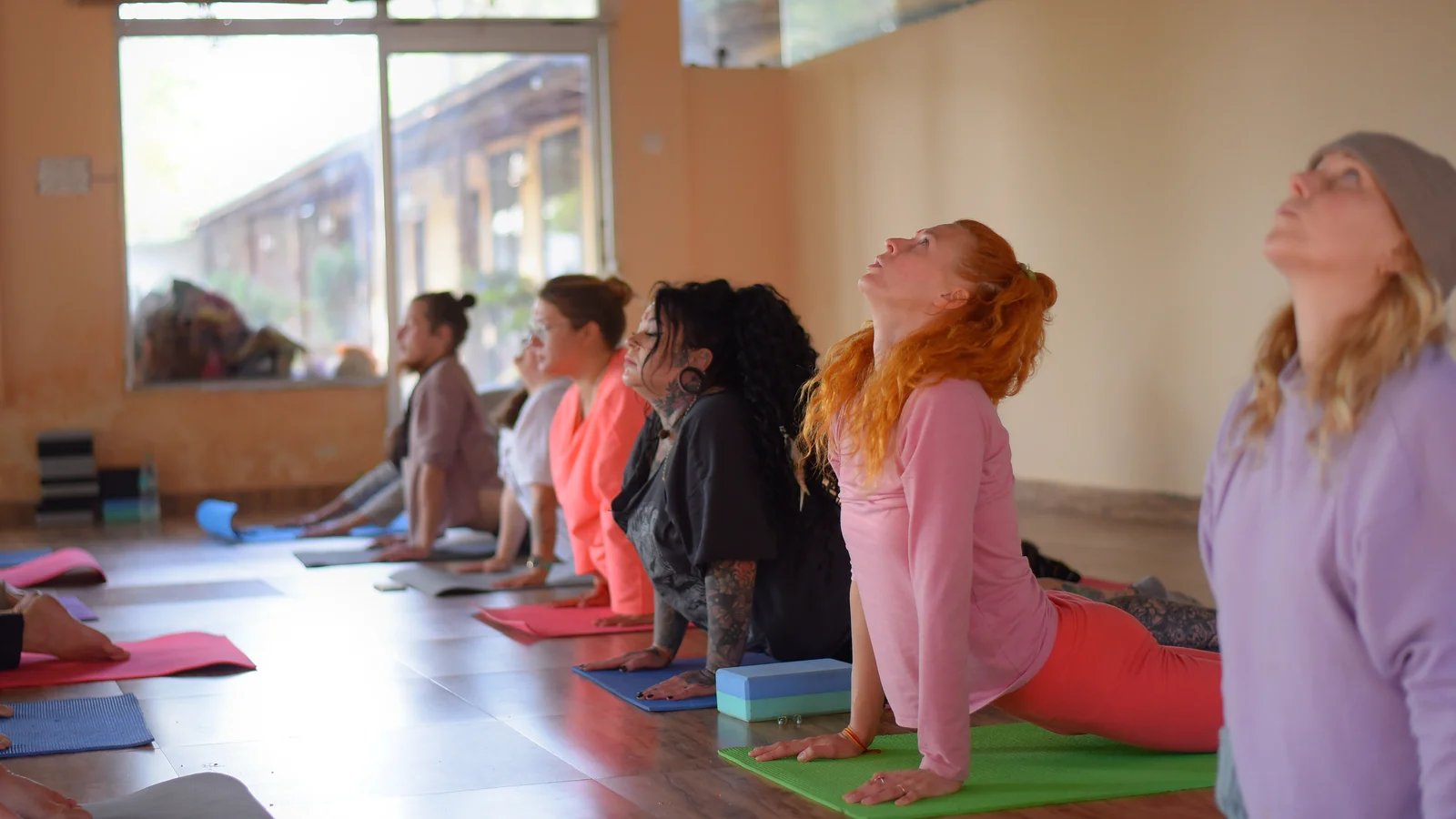
Nestled in the serene and spiritually enriched land of Rishikesh, Tarang Yoga Ashram welcomes you to embark on a transformational journey through our 200-hour Yoga Teacher Training Course. Rooted in traditional teachings and led by experienced yogis, the ashram provides an authentic and holistic yoga experience that goes beyond the physical postures. Whether you're a beginner or an experienced...
Meet the instructors
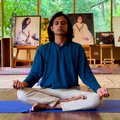


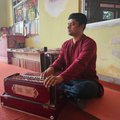
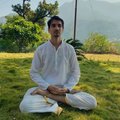
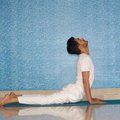
Highlights
- Discussions on ethical guidelines for yoga teachers and living a yogic lifestyle
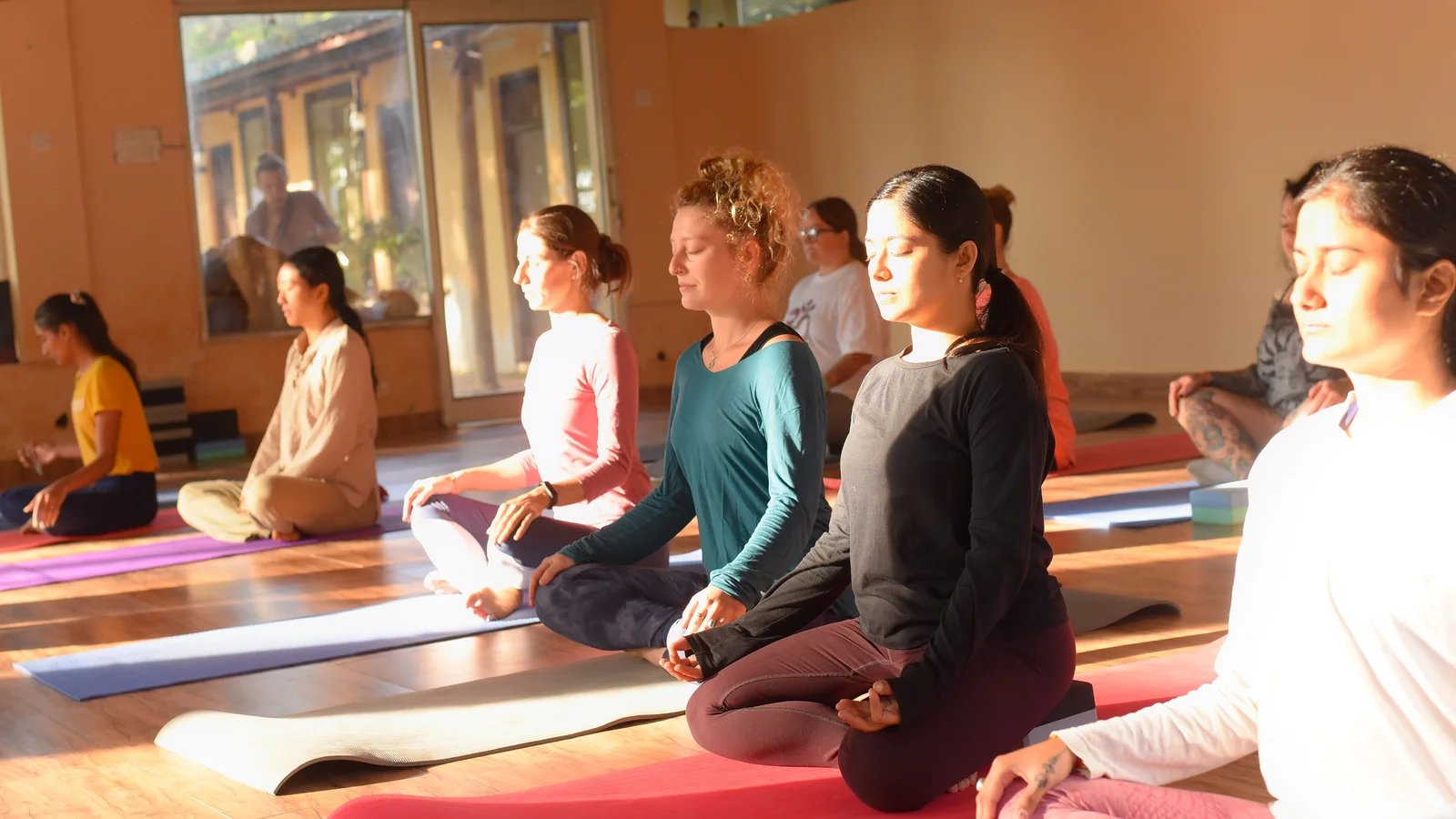
- Introduction to meditation practices and mindfulness techniques
- Naturopathic and Yogic body purification techniques
- Yoga philosophy, ethics for yoga teachers, teaching methodology
- Breakfast, dinner, snacks, drinking water, coffee, and tea provided
- Excursion to ancient caves, temples, jungle safari, Ganga bath, and more
- Certificate of completion
- 24 nights accommodation
At a glance
Yoga styles
Check-in Time: 06:00
Check-out Time: 12:00
Facilities
At Tarang Yoga Ashram, the environment plays a vital role in enhancing the yoga experience. The ashram offers a range of accommodations designed for comfort and tranquility, with both private and shared rooms available. Each room is equipped with modern amenities, ensuring a seamless and enriching stay, while providing stunning views of the Ganges and lush greenery.
Private room:
- 2 individual beds or 1 single bed
- Fan, air conditioner
- Balcony/window
- Wardrobe
- Attached washroom
Private room with AC/heater:
- 2 individual beds or 1 single bed
- Fan
- Balcony/window
- Wardrobe
- Attached washroom
Who is this course for?
Learning yoga has been one of the most admired hobbies for individuals who want a healthy body and a clear mind. For those, who would like to go a step ahead and make a career in yoga, this 200-Hour Hatha, Ashtanga-Vinyasa, and Aerial Yoga Teacher Training is the most affordable and beneficial course. This residential course will provide you with the knowledge, skills, and certification necessary to confidently teach yoga to a wide range of students.
Experience profound personal transformation and move forward in life with greater purpose through the structured practice of daily meditation, chanting, Hatha yoga, and a healthy vegetarian diet, you will experience radiant health and peace of mind. This will propel you to bring positive change in your community and the world.
Course curriculum
- Shatkarma (cleaning process)
- Introduction of shatkarma
- Jal neti and sutra neti
- Eye cleaning (trataka and eye cups)
- Kapalbhati
Ashtanga yoga asanas and their adjustment:
- Surya Namaskar A
- Surya Namaskar B
- Full Primary Series: Padangusthasana
- Padahasthasana
- UtthitaTrikonasana
- ParivrttaTrikonasana
- UtthitaParsvakonasana
- PrasaritaPadottanasana A B C, and D Parsvottanasana
- EkaPadaPadangusthasana A B C, and D
- ArdhaBaddhaPadmottanasanaUtkatasana
- Virabhadrasana A and B
- Dandasana
- Paschimottanasana A B C, and D Purvattanasana
- ArdhaBaddha Padma Uttanasana
- TriangMukaikapadaPashimottanasana
- JanuSirsasana A B, and C
- Marichyasana A B C, and D
- Navasana
- Bhujapidasana
- Kurmasana
- SuptaKurmasana
- GarbhaPindasana
- Kukkutasana
- BaddhaKonasana A and B
- Konasana
- UpavishtaKonasana
- SuptaKonasana
- SuptaPadangusthasana A and B
- UbhayaPadanghusthasana
- UrdhvaMukhaPashimottanasana
- SetuBandhasana
- UrdhvaDhanurasana
- SalambaSarvangasana
- Halasana
- Karnapidasana
- UrdhvaPindasana
- Matsyasana
- UrdhvaPadmasana
- Sirsasana
- UrdhvaDandasana
- BaddhaPadmasana
- Yogimudra
- Uplutih
- (Savasana
Vinyasa Flow (Postures):
- On your feet Yogasanas
- Seated Vinyasa sequences
- Seated posterior stretch sequences
- On one leg yoga asanas
- The supine sequence
- The bow pose sequence
- The triangle pose sequence
- The inverted posture sequence
- Meditative pose sequence
- Viseha Vinyasa karma
Hatha yoga asanas and their adjustment:
- Dynamic postures: Pawanmuktasana series, Marjala asana, Vyaghrasana, Surya namaskar
- Standing postures: Tadasana, Utkatasana, Padhastasana, Trikonasana, ParivrttaTrikonasana, Parshwakonasana, Parivrttaparshwakonasana, Veerbhadrasana I, Veerbhadrasana II, Veerbhadrasana III, Ardhchandrasana, Parsvottanasana, Prasaritapadottanasana
- Inverted postures: Sirsasana, Sarvangasana, Halasana, Pinchamayurasana, Adhomukhavrkshasana
- Twisting postures: Ardhmatsyendra asana, Parivrittijanusirshasana, Kati Chakrasana
- Back Bend postures: Bhujangasana, Shalabhasana, Dhanurasana, Matsyasana, Ushtrasana, Kandhrasana, Chakrasana, Gomukhasana, Setu Asana, Rajkapotasana
- Forward Bend postures: Paschimotanasana, Janusirasana, ArdhpadamPaschimotanasana, PadprasarPaschimotanasana, AdhoMukhaSvanasana
- Balancing postures: Vrkshasana, BakDhayan Asana, Mayurasana, Natraj Asana, Garudasana, Relaxation Postures, Shashankasana, Makarasana, Savasana
Pranayama:
- Introduction of ranayama
- Importance of pranayama
- Yogic breathing technics for increasing awareness
- Benefits of pranayama
- Different pranayama and general guidelines
- Nadi Sodhana pranayama
- Bhramari pranayama
- Sheetali and Sheetkari
- Ujjayi pranayama
Mudras:
- Introduction of yogic mudra
- Jnana and chin mudra
- Yoni mudra
- Bhairava mudra
- Shambhavi mudra
- Nasikagra mudra
- Prana mudra
- Maha mudra
- Maha vedha mudra
- Different mudras for better health
- Mudra for concentration
- Common mudras for daily use
Bandhas:
- Introduction of Bandha
- Uddiyana bandha
- Jalandhar bandha
- Mula bandha
- Maha bandha
Yoga philosophy
- Introduction to yoga
- Its philosophy and evolution
- Concept of Hatha yoga
- Different practices of Hatha yoga
- Introduction to yoga sutras of patanjali
- Importance of discipline in the path of yoga
- Definition of yoga and its purpose
- Vrittis (mental fluctuations) and their classification
- Consistent practice and non-attachment (Abhayasa and Vairagya)
- Obstacles and distractions on the path of yoga (concepts of citta-viksepa and antaraya)
- Ashtanga yoga - Yama, Niyama
- Asana, Pranayama, Pratyahara, Dharana, Dhyan, Samadhi
- Sattva, Rajas, and Tamas (Triguna)
- Introduction to Panchkosha
- Lives of yogis (Inspiring stories)
Meditation:
- Introduction to meditation and concentration
- Breathing awareness meditation
- Tips for developing concentration
- Bahir and Antar trataka
- Anapansati ( Breath Observation)
- Antarmouna (silence practice)
- Third eye meditation
- Mantra meditation
- Yoga Nidra
- Inner visualization
Mantra chanting
- What are the mantra and benefits of chanting mantra?
- Shanti mantra (mantra of peace)
- Guru mantra (mantra for guru)
- YogenaCittasya (Sloka on sage Patanjali)
- Hare rama, Hare Krishna (Maha mantra)
Anatomy:
- What is yoga anatomy
- Importance of yoga anatomy
- Importance of joint movement
- Type of injuries and suggestions
- Circulatory system
- Anatomy of the ankle joint, muscle, injuries, and improvements
- Anatomy of the knee joint, muscle, injuries, and improvements
- Anatomy of the hip joint, muscle, injuries, and improvements
- Anatomy of spine joint, muscle, injuries, and improvements
- Anatomy of the shoulder joint, muscle, injuries, and improvements
- Physiology and therapeutic benefit of shatkarma
- Introduction of Ayurveda
Teaching methodology:
- Positive and conscious communication Friendship and trust
- Time management
- Qualities of a teacher, principles of demonstrating, observation, assisting, correcting the use of voice in class mental and emotional preparation for teaching class preparation Step by step class structure planning
Evaluation is based on
Written test
Asana practical test
Attendance
Performance
Behavior
While Tarang Yoga Ashram encourages participation in all classes to gain the full retreat experience, attendance is completely optional. Guests are welcome to join the sessions that resonate with them and are free to skip any classes they prefer.
Daily Schedule
- 06:00 - 06:30 Shatkarma and Ayurvedic / detox drink
- 06:30 - 07:00 Pranayama
- 07:00 - 08:00 Hatha Yoga class - Alignment - Adjustment - Surya Namaskar - Detailed explanation of each asana and benefits
- 08:00 - 09:00 Breakfast
- 09:00 - 10:00 Rest time, self study
- 10:00 - 11:00 Meditation class (yoga hall / ganga side / garden)
- 11:00 Madhuram drink
- 11:30 - 12:30 Kirtan/ Bhajan mantra chanting
- 12:30 - 13:30 Lunch
- 13:30 - 14:00 Rest time, self study
- 14:00 - 15:00 Sound healing
- 15:00 Fruits / vegetable juice
- 15:30 - 16:30 Ashtanga / Vinyasa yoga class - Alignment - Adjustment - Surya Namaskar - Detailed explanation of each asana and benefits
- 16:30 Ayurvedic / detox / herbal drink with snacks
- 16:45 - 17:45 Meditation (yoga hall / ganga side / garden)
- 18:00 - 19:00 Philosophy (Monday, Wednesday, Friday) / Anatomy (Tuesday, Thursday, Saturday)
- 19:00 - 19:15 Evening prayer
- 19:00 - 20:00 Dinner
- 20:00 (Optional) - Interaction time / ecstatic dance / jam session / bonfire celebration / movie time / mystical arts / story telling / Shiva-Shakti Circle / Tarot reading
- 21:00 Bed time
- Ancient caves
- Ancient temples
- Watch sunrise and sunset
- Take a dip in Ganga water and enjoy Ganga Aarti
- Mountain trekking
This Yoga Retreat is vegetarian-friendly
Cleansing and wholesome nutrition for your practiceThey serve delicious vegetarian food and are happy to accommodate the needs of their students by serving gluten-free and/or vegan food. If you have any specific dietary conditions such as food allergies, etc., they will be happy to prepare special food for you. The food is prepared in a loving and spiritual manner to ensure that you receive every benefit from the food you take.
Truly fresh ingredients, organic vegetables, and fruit are used wherever possible. Three meals are served on a single day, detox juice, brunch, and dinner. The food menu is prepared by taking into consideration a balanced nutritional diet.
The following meals are included:
- Breakfast
- Lunch
- Dinner
- Snacks
- Drinks
The following drinks are included:
- Water
- Coffee
- Tea
- Detox juices
The following dietary requirement(s) are served and/or catered for:
- Vegetarian
- Vegan
- Gluten Free
- Organic
- Raw food
- Naturopathic
- Fruitarian
- Whole food
- Yogic
- Other dietary requirements on request
- Ayurvedic
If you have special dietary requirements it's a good idea to communicate it to the organizer when making a reservation.
Ayurvedic therapies and sound healing sessions are available upon request and are chargeable.
- 24 nights’ accommodation
- Rooms with air conditioner, hot water, attached bath & toilet and balcony
- Unlimited free high-speed Wi-Fi internet connection
- Daily nutritious vegetarian meals 3 times a day (Ayurvedic / Detox / Herbal / Vegetable juice / Fruit juice 4 times a day)
- Drinking-water-available from the water filter 24/7
- Yoga mat for practice
- Course books and manuals
- Yogic cleansing material like neti pot, rubber tube, etc.
- Free washing machine for laundry
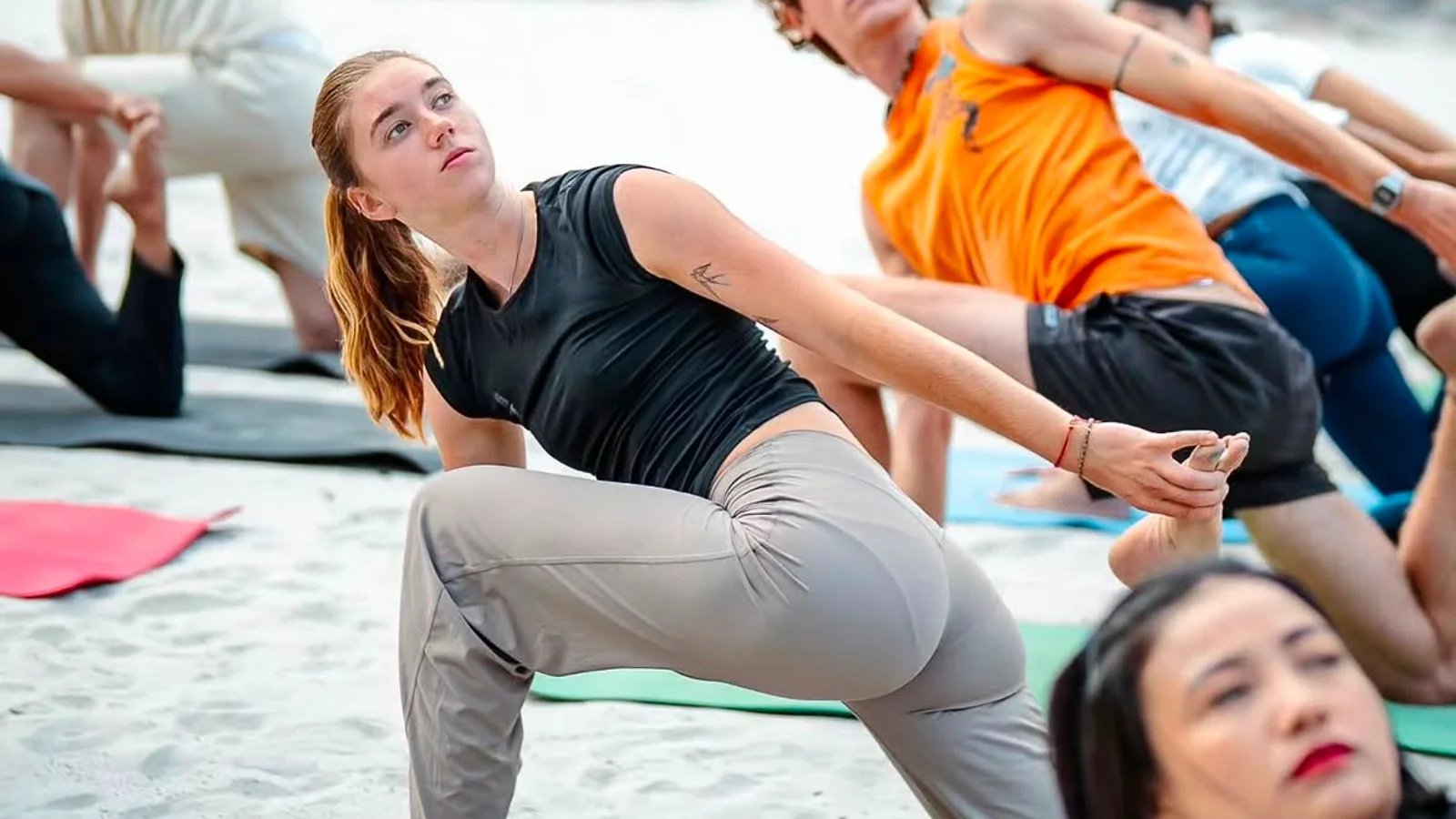
- Beach yoga & garden yoga
- Nature walk to the waterfall and different locations around
- Experience of Karma and Bhakti yoga
- Sound healing session
- Ten Ayurvedic massage
- Certificate of completion
- Ayurvedic therapies
- Sound healing session
- Airport transfers
Beautiful and serene location in Rishikesh, carefully chosen to provide the perfect setting for your yoga journey.
Recommended Airports
Arrival by airplane
You can book your flight to arrive at Dehradun Airport (DED) or Indira Gandhi International Airport (DEL). Tarang Yoga Ashram provides pick-up service from Dehradun Airport (2500 INR) and Indira Gandhi International Airport (6000 INR).
Taking a taxi from Delhi to Rishikesh is worth considering, as it is connected to other cities via the National Highway 58, which is in good condition for most of the year. Tarang Yoga Ashram can organize a taxi for you.
They always work with the same taxi company and drivers. The drive from Delhi to Rishikesh would take approximately 5 to 6 hours. The approximate fare from New Delhi is around 68 EUR (between 5,000 and 6,000 INR) depending on the season and time of the day. If you arrive on the 2nd like most students you might be able to share the taxi and the taxi cost with someone else.
Being a popular tourist destination, Rishikesh has a good network of buses connecting it with important places such as Haridwar, Dehradun, and New Delhi. Buses depart in the morning and late evening from the Kashmere Gate ISBT, New Delhi for Rishikesh every day. You can choose from a regular, deluxe, or luxurious coach.
The nearest railhead to Rishikesh is in Haridwar which is approximately 25 kilometers away. Haridwar, in turn, is linked to major Indian cities such as Delhi, Mumbai, Kolkata, Lucknow, and Varanasi. Some of the popular trains are Shatabadi Express, Jan Shatabdi, AC Special Express, and Mussoorie Express. For those making the journey to Rishikesh, it is advisable to take the train to Haridwar and then either take a bus or hire a taxi to Rishikesh. While the bus would take about 45 minutes, the taxi will take you to Rishikesh in about half an hour.
A reservation requires a deposit of 25% of the total price. The deposit is non-refundable, if the booking is cancelled. The rest of the payment should be paid on arrival.
- A reservation requires a deposit of 15% of the total price.
- The deposit is non-refundable, if the booking is cancelled.
- The rest of the payment should be paid on arrival.
Guest reviews
No reviews yet — be the first to share your experience.
Similar Retreats You Might Love
Explore other transformative experiences in India
3-Day Yoga and Meditation Retreat in Rishikesh, India
7 Day Riverside Yoga Retreat in Rishikesh with Daily Meditation & Ayurveda

5 Day Riverside Yoga Retreat in Rishikesh with Daily Meditation
