
26 Day 200 - Hour Yoga Teacher Training in Himalaya Manila, Almora, india





"Yoga Teacher Training India"
Program Overview
The Yoga Ayurveda School Himalaya offers a 200-hour yoga and Ayurveda teacher training course in Manila. Manila is a peaceful place under nature in the Himalayan range. with spiritual places and is a very popular place for yogis. Many yogis, such as Maha Avatar Baba (the founder of Kriya Yoga), Swami Vivekananda, Swami Satyananda, Baba Neem Karoli, and others, have been there for self-study...
Meet the instructors
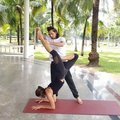
Himanshu Masant
Read moreHighlights
- Asana, philosophy, meditation, pranayama, mantra chanting, and mudras
- Teaching methodology, anatomy, and physiology classes
- Ayurveda class with nutrition and yogic diet
- Traditional Indian classical music concert
- Lifetime support in yoga ayurveda from Yoga Ayurveda School
- 25 nights' accommodation
- 2 vegetarian meals per day during the course
- Receive a certificate upon successful completion
At a glance
Yoga styles
Check-in Time: 10:00
Check-out Time: 10:00
Facilities
During your 200-hour yoga teacher training course in Himalaya Manila, Almora, Uttarakhand, you will be staying simply and cleanly under nature with the safety zone in Manila, Almora, Uttarakhand, India. The location of the school is nearby or can be the same building, depending on availability. The yoga ayurveda school provides a peaceful environment to practice yoga in the ashram style (traditionally) situated close to the beautiful green mountain range of the Himalayas.
The 200-hour yoga ayurveda teacher training course is specially designed for beginner and intermediate-level yoga practitioners. If you aspire to be a yoga teacher and want to deepen your practice and understanding of yoga in a peaceful spiritual place far from crowds in a city in the mountains, this is the perfect place.
Here, you can find great practical and theoretical knowledge about yoga and Ayurveda with life-changing experiences, which will make you confident in practicing or sharing your knowledge with the people and students. Opting for this 200-hour yoga and Ayurveda teacher training course gives you the permit to become a yoga teacher and run your own yoga classes.
The training will cover these areas:
- Pranayama: technique for source of life energy
- Ashtanga yoga: Vinyasa primary series
- Hatha yoga: traditional yoga practice
- Shatkarma: body cleansing technique
- Meditation: stage of self-realization
- Human anatomy and physiology: all system of body and work with yoga
- Yoga alignment: correct posture technique
- Basic ayurveda: science of life
- Yoga philosophy: history and ethics of yoga, kundalini and much more
- Teaching methodology: way of teachings
- Mantra chanting: healing word of mind
- Mudras: yogic gesture
- Bhandas: yogic energy lock
- Mantra : healing word
- Ayurveda: basic lifestyle
Syllabus
Yoga asana
The Yoga Ayurveda School team has designed a special sequence of asanas (postures) for the training. Each posture is named in Sanskrit, and the experienced teachers will explain the meaning, benefits, and proper techniques of each asana during the training. You will also learn additional specialized sequences and how to use yoga equipment to enhance your practice and teaching skills.
Dynamic postures:
Pawan mukta asana series
- Marajari asana
- Vyaghra asana
- Surya namaskar
Sitting posture:
- Baddha Padmasana
- Dhyana Veer asana
Standing postures:
- Tada asana
- Uthkata asana
- Pada hasta asana
- Trikona asana 1-4
- Parivrtta Trikonasana
- Parshwakonasana
- Parivrtta parshwakonasana
- Veerbhadrasana I
- Veerbhadrasana II
- Veerbhadrasana III
- Ardh chandrasana
- Parsvottanasana
- Prasarita padottanasana
Inverted postures:
- Shirsasana
- Sarvangasana
- Halasana
- Pincha mayurasana
- Adho mukha vrkshasana
Twisting postures:
- Ardha matsyendra asana
- Parivritti janu sirshasana
- Kati Chakra asana
Backbend postures:
- Bhujangasana
- Shalabhasana
- Dhanurasana
- Matsyasana
- Ushtrasana
- Kandhrasana
- Chakrasana
- Gomukhasana
- Setu Asana
- Rajkapotasana
Forward bend postures:
- Paschimotanasana
- Janusirasana
- Ardh padam Paschimotanasana
- Padprasar Paschimotanasana
- Adho Mukha Svanasana
Balancing postures:
- Vrikshasana
- BakaDhayan Asana
- Mayurasana
- Natraj Asana
- Garudasana
Relaxation postures:
- Shashankasana
- Makarasana
- Savasana
- Balaasana
Pranayama
Yoga ayurveda schools designed a special way to learn and practice pranayama; it is generally defined as "extended study of breath."
Pranayama is a Sanskrit word meaning "extension of the pran or breath" or "extension of the life force." Pranayama is a combination of two Sanskrit words: "prana," life force (or noted particularly as the breath), and "ayma," to extend or draw out or simply can say "control." (Not "restrain, or control" as is often translated from "yam" instead of "ayama.") It is a yogic discipline with origins in ancient India. Pranayama is traditionally viewed as a practice involving a lot more than just breathing for relaxation
- Introduction of pranayama
- Benefits and contraindications of pranayama
- Explain the pranic body
- Prana and lifestyle
- Breath, health, and pranayama
- Pranayama and the spiritual aspirants
Practical and theory:
- Nadishodhana pranayama
- Sheetali pranayama
- Sheetkari pranayama
- Bhramari pranayama
- Ujjayi pranayama
- Bhastrika pranayama
- Kapalbhati pranayama
- Surya Bhedi pranayama
- Chandra bhedi pranayama
Mudras
- Introduction of mudras
- Jnana Mudra
- Chin Mudra
- Yoni Mudra
Bandha (Energy Lock)
- Introduction of Bandha
- Preparation for Bandha
- Benefits of Bandha
- Moola Bandha
- Jalandhara Bandha
- Uddiyana Bandha
Meditation
The team specially designed the course to learn and practice meditation. Meditation is a practice in which an individual uses a technique—such as mindfulness, or focusing the mind on a particular object, thought, or activity—to train attention and awareness and achieve a mentally clear and emotionally calm and stable state; better concentration; clearer perception; improved communication; greater inner strength; and relaxation. These are all natural results of regular meditation. There is more relaxation than sleep achieved by meditation. Today's stressful world, which is full of negative emotions. Meditation is not a luxury but a necessity. This is the key to maintaining a calm and happy mind with a healthy lifestyle.
- Introduction of meditation
- Om meditation
- Mantra chanting meditation
- Soham meditation
- Shiva meditation
- Yoga Nidra meditation
- Tratak (candle) meditation
- Buddha meditation (vipassana)
- Inner light meditation
- Prana meditation
- Kundalini meditation
- Benefits of meditation
- The connection between breath and meditative state
Mantra chanting and kirtan
Mantras are impulses or rhythms of consciousness. They create vibrations in the soul. Their effect, method, and mode of action are all a mystery. In Sanskrit, it is said, 'Mananat tryate iti mantrah.' Mantra is the one by which you break free from the cycle of birth and death. Repetitive thought is the concern. Mantras help you to free yourself from your worries
The meaning of every mantra is infinite. Mantra sound is a vibration beyond the knowledge of the mind. When the mind is unable to feel, it simply dissolves and goes into a meditative state. Mantra is a mystery. He alerts your subconscious mind. Mantras work at the level of consciousness. When you want the seed to germinate, you sow it by hiding it in the soil. If the seeds are just thrown around, then the birds can eat them. From that, it can only satisfy your intellect, but that will not come from experience! That is why listening to mantras and chanting them takes us to a new dimension of meditation!
- The meaning of mantra
- Benefit of mantra
- Ganesha mantra – Vakratunda Mahakaya
- Shiva mantra – Karpoora Gauram
- Santhosham Santhi mantra
- Mangalam mantra
- Samarpanam mantra
- Twameva Sarvam mantra
- Om mantra
- Vaidika Shanthi mantra (Dyoho Santhir Antararikagum)
- Kirthana
Yoga philosophy
Yoga philosophy has a special importance in philosophy. That is why all the philosophical sects, whether Indian or foreign or theist or atheist, practice yoga in some form or the other. The reason for this is that the practice of yoga is the practical aspect of all the philosophies and especially of the Sankhya philosophy.
Yoga philosophy and practice is as old as the human world. According to Indian chronology, the beginning of the present human world was more than 10000 BC. Modern physicists, astronomers, geographers, and anthropologists also believe that the origin of life on Earth occurred two to three billion years ago.
According to the Indian legend, at the beginning of creation, the yogic sages first had the vision of the Vedic ideas in a state of deep meditation. Therefore, the history of yoga begins with the Vedic sages from the beginning of creation. There are many references to yoga in Vedic and Vedanta literature. Vedanta, the last part of the Vedas, Brahmanas, Upanishads, and Aranyakas, are texts written only with the aim of spiritual practice. References related to yoga and sadhana are found in abundance in the Kathopanishada, Shvetashvara, and Maitrayani Upanishads and in the six Vedic scriptures.
- Introduction of philosophy
- Why is yoga?
- Historic tradition of yoga
- Shiva and Shakti concept
- Yoga Sutra
- The four paths of Yoga Sutra
- The discipline of life
- Bhagavad Gita introduction
- Introduction to meditation
- The Profound Knowledge of Three Gunas
- Panchakosha
- Samkhya
- Introduction to Samkhya
- Cause of pain and way of self-realization
- Karma and Sanskara
- Kundalini yoga
- Yogi and Rishi and Avatar concepts
- The concept of mind, senses and soul
- Group discussion
- Question and answer
Yoga anatomy and physiology
The basic structure and function of the organs and systems are very important for the practitioners of yoga so that their work as yoga teachers can be more enhanced. Knowing the different types of joints and their range of motions helps students to be safe from injuries and also keep safe their students after they start teaching as a teacher. Yoga anatomy is a valuable resource that allows you to see each movement in an entirely new light. This approach will lead you logically through a wealth of musculoskeletal anatomy, bring the academic discourse to life, and permit you to understand the body's architecture and work with its safety.
- Introduction of anatomy
- Respiratory system
- Types of bone
- Anatomy and respiratory of physiology system
- Effect of yoga practices and physiology of pranayama
- Skeleton systems
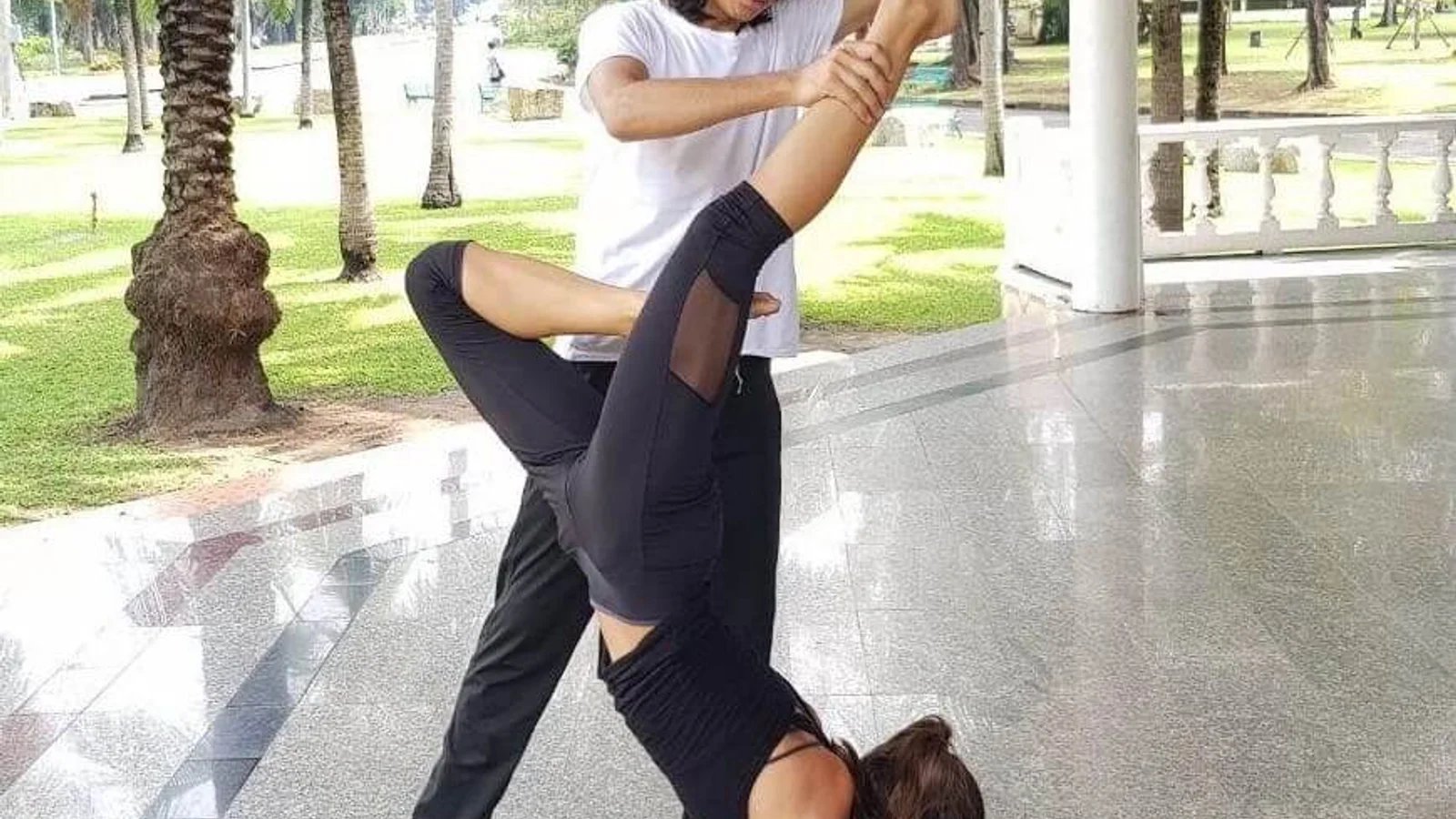
- Safe way of adjustments and modifications of asanas
- Cardiovascular system
- Blood pressured and effect of yoga practices
- Digestive system
- How digestion affects yoga
- The works of the glands in the body
- The function of nervous system
- The effect of yoga and muscular system
Ayurveda
Ayurveda is an ancient Indian system of natural and holistic health. This word of Sanskrit origin is formed from the combination of two words—Ayur + Vedas ("Ayu" means long life (life) and "Veda" means science). Therefore, the literal meaning of Ayurveda is the science of life. Whereas allopathic medicine focuses not on the root cause of the disease but on its removal, Ayurveda tells us about the basic causes of the disease as well as its holistic diagnosis.
From the beginning, the education of Ayurveda in India has been given orally by the sages under the Guru-Shishya tradition. But about 5000 years ago this knowledge was given the form of texts. Charaka Samhita, Sushruta Samhita, and Ashtanga Hridayam are the ancient texts of Ayurveda. In these texts, the effects of the five elements prevalent in the universe—earth, water, air, fire, and sky—on human beings and the importance of keeping them balanced for a healthy and happy life have been propounded. According to Ayurveda, some of these five elements have more effect on each person than other elements. You will some important basic in ayurveda at Yoga Ayurveda School's 200-hour teacher training
- Introduction of ayurveda
- Body according to ayurveda
- History of ayurveda
- The sub-doshas
- Panchakarma
Shatkarma
The word 'Shatkarma' is made up of two words, 'Shat' and 'Karma.' 'Shat' means 'six,' and 'Karma' means 'action.' In Ayurveda, 'karma' means purification, which is called Panchakarma therapy in the Ayurvedic system. The purification procedures in Shatkarma are designed to cleanse the body from within and to prepare the yoga practitioner for higher yoga practices. Shatkarma is a great yoga practice for both physical and mental health. Shatkarma in modern medicine. There has been a great interest in the medical community these days in Shatkarma or Shuddhi Kriya yoga. It has been proved by various studies done by modern medical scientists that it has been accepted to have benefits of Shatkarma in the prevention of various diseases. Shatkarma kriyas play a big role in removing toxins from the body, in strengthening various systems of the body, in increasing their efficiency, and in keeping the person free from various diseases, so this kriya is performed from time to time during yoga classes.
- Introduction of shatkarma
- Jal neti
- Sutra neti
- Nauli kriya
- Benefit and contraindication of shatkarma
Teaching methodology and posture alignment
The teaching methodology is one of the most important parts of the training. This portion is designed in such a balanced and comprehensive way that it keeps the student in contemplation of the subject throughout the day and also some of their personal time. Students will learn the following:
- Positive and conscious communication
- Friendship and trust
- Time management
- Qualities of a teacher
- Principles of demonstrating, observation, assisting, correcting
- Use of voice in class
- Mental and emotional preparation for teaching
- Class preparation
- Step-by-step class structure planning
Sample schedule
- 06:00 - 06:30 Self kriya & morning tea
- 06:30 - 07:00 Morning chanting
- 07:00 - 08:00 Pranayama / meditation
- 08:00 - 09:30 Hatha yoga asana / Ashtanga Vinyasa
- 10:00 - 11:00 Brunch time
- 11:00 - 12:15 Yoga philosophy / mantra
- 12:30 - 13:45 Yoga anatomy & physiology / Ayurveda
- 14:30 - 15:00 Tea time
- 15:00 - 16:00 Teaching methodology / yoga alignment
- 16:00 - 17:30 Yoga asana
- 18:00 - 19:00 Dinner
- 21:00 Lights out
Note: The schedule will be changed according to the season.
In the process of evaluation and certification, discipline is a key factor. Attending all classes is compulsory and with full attention and respect. Students are evaluated by assignment test by the 3rd week, theory test in the 4th week, and practicum test. Certification will be on the 25th day with a cultural closing ceremony and puja by taking blessings from God and all gurus.
A visit to the beautiful historic town nearby is definitely part of the programme, if you would like to join.
This Yoga Retreat is vegetarian-friendly
Cleansing and wholesome nutrition for your practice- 2 meals a day (100% veg and organic)
- Herbal / black tea / Ayurvedic tea
- Hot water available
- Indian-style cooking
- Seasonal vegetables only
- On request dietary requirements
- Seasonal fruit
- The following meals are included:
Breakfast
Dinner
Snacks
Drinks
The following drinks are included
Tea
The following dietary requirement(s) are served and/or catered for:
Vegetarian
Organic
Other dietary requirements on request
If you have special dietary requirements it's a good idea to communicate it to the organiser when making a reservation
The following meals are included:
- Breakfast
- Dinner
- Drinks
The following drinks are included:
- Water
- Tea
- Detox juices
The following dietary requirement(s) are served and/or catered for:
- Vegetarian
- Vegan
- Organic
- Yogic
If you have special dietary requirements it's a good idea to communicate it to the organizer when making a reservation.
- 25 days course
- 25 nights accommodation in Manila, Uttarakhand
- 2 vegetarian meals per day during the course
- Daily morning tea and Pooja
- Shatkarma session
- Receive a certificate upon successful completion
- ticket
- visa
- other expenses
Beautiful and serene location in Pokhara, carefully chosen to provide the perfect setting for your yoga journey.
Recommended Airports
Arrival by airplane
Please book your flight to arrive at Pantnagar Airport (PGH). Pick-up and drop-off at this airport are included in the price.
The nearest railway station is Ramnagar Railway Station.
No additional charges. You can request this in the next step.
A reservation requires a deposit of 20% of the total price. The deposit is non-refundable, if the booking is cancelled. The rest of the payment should be paid on arrival.
- A reservation requires a deposit of 15% of the total price.
- The deposit is non-refundable, if the booking is cancelled.
- The rest of the payment should be paid on arrival.
Guest reviews
No reviews yet — be the first to share your experience.
Similar Retreats You Might Love
Explore other transformative experiences in Nepal

28 Day 200-Hour Ashtanga-Vinyasa Yoga Teacher Training in Koh Phangan, Thailand

4 Day Yoga Retreat in Koh Phangan, Thailand

8 Day 30-Hour Ashtanga Vinyasa Yoga Teacher Training in Koh Phangan, Thailand
